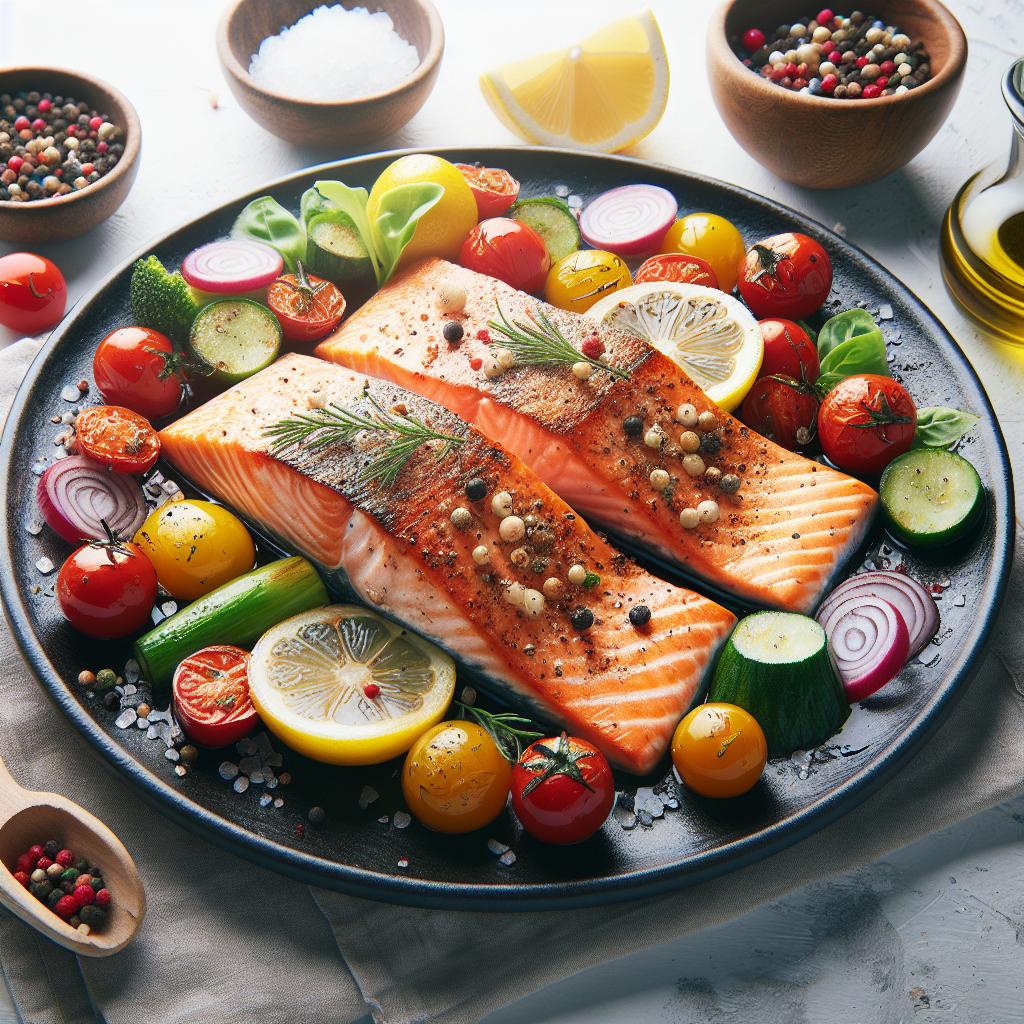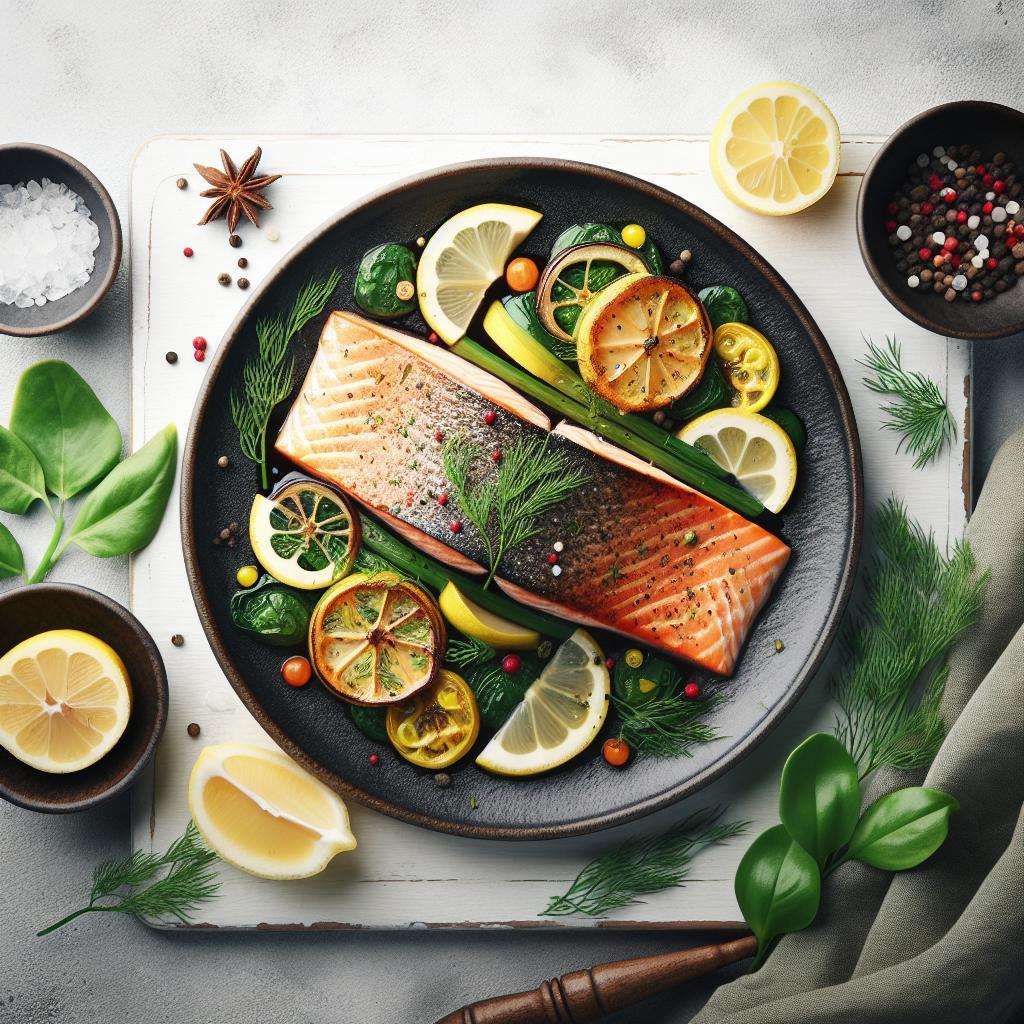

There’s something truly magical about a perfectly baked salmon fillet-its tender, flaky flesh infused with subtle hints of butter and herbs, melting effortlessly on your tongue. This simple seafood delight, often admired in fine dining yet surprisingly easy to prepare at home, transforms an ordinary meal into a celebration of flavor and nutrition. In this article, we’ll dive into the art of baking salmon to perfection, uncovering tips and tricks that guarantee juicy, flavorful results every time. Whether you’re a seasoned chef or a kitchen novice, get ready to elevate your seafood game with a dish that’s as wholesome as it is delicious.
Choosing the Freshest Salmon for Maximum Flavor
Perfectly baked salmon fillets begin with selecting the freshest fish available, as quality directly influences taste and texture. When shopping, look for salmon with firm flesh that springs back gently when pressed and exhibits a vibrant, moist surface without any dull or dry spots. Opt for fillets with bright, translucent skin and a mild ocean scent-avoid any fish with a strong “fishy” odor. Wild-caught varieties, such as Alaskan sockeye or coho, offer richer flavor and firmer texture compared to farmed alternatives, making your final dish truly exceptional.
Ask your fishmonger about the catch date and origin, and if possible, purchase salmon that has been previously frozen to eliminate parasites safely. Remember, the fresher the salmon, the more succulent your perfectly baked salmon fillets will be.
Mastering the Art of Seasoning and Marinades
Seasoning is where your perfectly baked salmon fillets take on their unique personality. Keep it simple to highlight the natural richness: a sprinkling of kosher salt and freshly cracked black pepper forms the base. Enhance with aromatic herbs like dill, thyme, or parsley. A touch of lemon zest or a light brush of honey mustard glaze brings brightness and a hint of sweetness that caramelizes beautifully during baking.
For a marinade, balance acidity with sweetness and savor umami notes: mix olive oil, fresh lemon juice, minced garlic, a pinch of smoked paprika, and a dash of soy sauce or tamari. Marinate the fillets for 15-30 minutes-no longer, to avoid overpowering the delicate flesh.
Step by Step Guide to Achieving the Ideal Bake
- Preheat your oven to 400°F (200°C), the perfect temperature for salmon to cook evenly while achieving a lightly crisp exterior.
- Line a baking tray with parchment paper or lightly oil a baking dish to prevent sticking and facilitate easy cleanup.
- Pat your salmon fillets dry with paper towels to ensure seasoning adheres well and the skin crisps if left on.
- Apply seasoning or marinade evenly, ensuring every inch is kissed by flavor, then let the fish rest at room temperature for 10 minutes to relax the muscle fibers.
- Place the fillets skin-side down (if skin-on) on the tray, arranging them with space in between for even heat circulation.
- Bake for 12 to 15 minutes-timing depends on thickness. Aim for an internal temperature of 125°F (52°C) for moist, slightly translucent flesh. Use a fork to check if the salmon flakes easily but remains tender.
- Optional: Broil for 1-2 minutes at the end to crisp the top slightly, watching carefully to prevent burning.
- Remove from oven and rest for 3 minutes to let juices redistribute, preserving succulent texture.
Tips for Serving and Pairing Your Salmon Fillets
Presentation elevates the perfectly baked salmon fillets from a meal to an experience. Serve on a clean white plate or rustic wooden board, accompanied by a colorful medley of seasonal vegetables like roasted asparagus, glazed carrots, or a vibrant quinoa salad. Garnish with fresh herbs, thin lemon slices, or microgreens for an eye-catching finish. Drizzle a dollop of herb-infused yogurt or a light citrus beurre blanc beside the fillets for an added layer of creaminess and tang.
Pair your salmon with crisp white wines such as Sauvignon Blanc or a light sparkling rosé to complement the fish’s natural flavor, or try a non-alcoholic option like sparkling water infused with cucumber and mint for a refreshing balance. For a texture contrast, serve alongside warm, crusty whole-grain bread or garlic mashed potatoes.
Prep and Cook Time
- Preparation: 15 minutes
- Marinating: 15-30 minutes (optional)
- Cooking: 12-15 minutes
- Total Time: 30-45 minutes
Yield
Serves 4-perfect for a family dinner or small gathering.
Difficulty Level
Easy to Medium – ideal for cooks at any skill level looking to master flavorful seafood.
Ingredients
- 4 salmon fillets (6 oz each), skin on or off
- 1 tbsp olive oil
- 1 tsp kosher salt
- ½ tsp freshly ground black pepper
- 1 lemon (zested and juiced)
- 2 garlic cloves, minced
- 1 tsp smoked paprika
- 1 tbsp fresh dill, chopped (optional)
- 1 tsp honey or maple syrup (optional for glaze)
Instructions
- Preheat your oven to 400°F (200°C) and prepare your baking tray.
- Pat salmon fillets dry and place skin-side down on lined tray.
- Mix olive oil, lemon zest and juice, garlic, salt, pepper, paprika, and honey in a small bowl to create your seasoning or marinade.
- Brush the mixture evenly over each fillet, ensuring full coverage.
- Let the fillets rest at room temperature for 10 minutes to enhance flavor absorption.
- Bake uncovered for 12 to 15 minutes until salmon flakes easily and reaches an internal temperature of 125°F (52°C).
- Optional: Broil on high for 1-2 minutes to add a crisp finish.
- Remove from oven, rest for 3 minutes, then garnish and serve.
Chef’s Notes
- Variation: Substitute smoked paprika with ground cumin and coriander for a warm, earthy twist.
- Make-Ahead: Prepare marinade a day in advance; store salmon coated and covered in the refrigerator, but bake fresh for best texture.
- Troubleshooting: Avoid overcooking by checking early-salmon continues cooking once removed from the oven.
- Skin Crispness: If keeping skin, pat dry then oil well for irresistibly crispy results.
Serving Suggestions
Serve your perfectly baked salmon fillets atop a bed of garlic sautéed spinach or alongside roasted fingerling potatoes. Garnish with a sprig of fresh dill, a gentle squeeze of lemon juice, and a sprinkle of toasted pine nuts for texture and color. For an elegant touch, add thinly shaved fennel or a dollop of creamy avocado salsa.
| Nutrient | Per Serving |
|---|---|
| Calories | 320 kcal |
| Protein | 34 g |
| Carbohydrates | 2 g |
| Fat | 18 g (mostly healthy fats) |

Discover more seafood inspiration in our Grilled Seafood Recipes Collection and learn about the benefits of wild salmon from NRDC’s Salmon Conservation Guide.
Q&A
Q&A: Perfectly Baked Salmon Fillets – A Simple Seafood Delight
Q1: Why choose baked salmon fillets over other cooking methods?
A: Baking salmon fillets is a gentle, hands-off method that locks in moisture and flavor without the need for constant attention. Unlike pan-searing or grilling, baking allows the fish to cook evenly, resulting in tender, flaky flesh that melts in your mouth. Plus, it’s less messy and ideal for both beginners and seasoned cooks.
Q2: What makes a salmon fillet “perfectly baked”?
A: A perfectly baked salmon fillet boasts a delicate pink hue with just a hint of golden crust, moist and flaky throughout but never dry. The secret lies in precise temperature control-usually around 375°F (190°C)-and timing, often between 12 to 15 minutes, depending on thickness. The fish should easily flake when tested with a fork, yet retain a juicy, buttery texture.
Q3: What simple seasonings enhance the natural flavor of salmon in baking?
A: Sometimes less is more. A sprinkle of sea salt, freshly cracked black pepper, a drizzle of olive oil or melted butter, and a squeeze of fresh lemon juice can elevate the fish’s natural richness. Fresh herbs like dill, parsley, or thyme add an aromatic touch without overpowering the delicate seafood flavors.
Q4: Can I bake frozen salmon fillets? How?
A: Absolutely! Baking is a forgiving method for cooking salmon straight from the freezer. Simply add a few extra minutes to your baking time and cover the fillets loosely with foil to retain moisture. Season as usual before baking for a quick, nutritious meal without thawing the fish first.
Q5: What are some easy sides to pair with baked salmon for a complete meal?
A: Baked salmon pairs beautifully with light, fresh sides. Think roasted asparagus, garlic mashed potatoes, quinoa salad, or steamed green beans. A crisp green salad with a citrus vinaigrette adds brightness, balancing the richness of the salmon for a well-rounded, simple seafood delight.
Q6: How can I prevent salmon fillets from sticking to the baking dish?
A: To avoid sticking, lightly grease your baking dish with olive oil or line it with parchment paper or aluminum foil. These simple steps create a non-stick surface, making cleanup easier and ensuring the fillets keep their beautiful presentation when served.
Q7: Is it healthy to bake salmon this way?
A: Baking salmon is one of the healthiest ways to enjoy this omega-3 rich fish. It preserves the delicate fatty acids essential for heart and brain health while minimizing the need for added fats. This method retains the nutritional integrity of salmon, making your meal both delicious and nutritious.
Q8: Any creative twists to try with baked salmon fillets?
A: Absolutely! Try a miso glaze for an umami kick, top with a mango salsa for tropical sweetness, or sprinkle with smoked paprika and chili flakes for smoky heat. Drizzle with honey and Dijon mustard before baking for a sweet-savory glaze. The possibilities are endless, making baked salmon a versatile canvas for culinary creativity.
Key Takeaways
In the realm of seafood, perfectly baked salmon fillets stand as a shining example of how simplicity can elevate natural flavors to new heights. With just a handful of ingredients and a gentle touch in the oven, you unlock a dish that’s as nourishing as it is delicious. Whether you’re a seasoned chef or a kitchen novice, mastering this effortless recipe opens the door to countless culinary adventures. So next time you crave a wholesome meal that doesn’t compromise on taste, remember: sometimes, the simplest approach yields the most memorable delight. Happy baking, and even happier savoring!