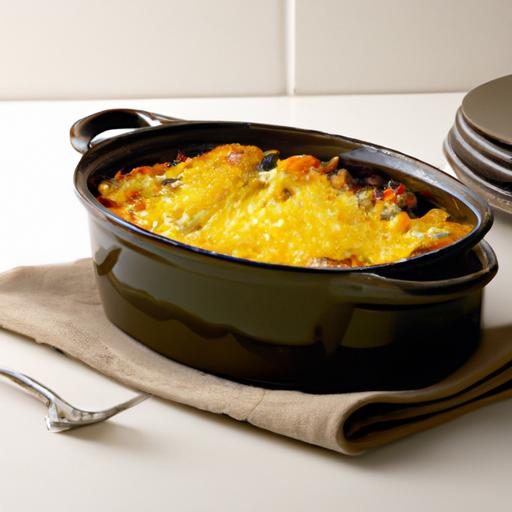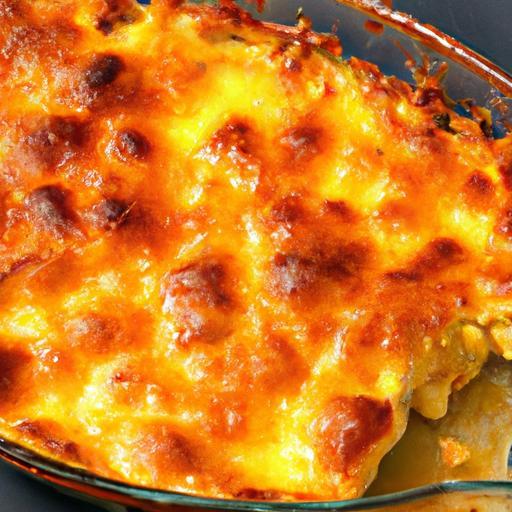

When it comes to crafting the perfect casserole, the vessel is just as important as the ingredients inside. Enter the ultimate showdown: Pyrex vs Ceramic vs Cast Iron. Each contender brings its own unique style, heat mastery, and kitchen charisma to the table. But which one truly deserves a spot in your oven and on your dinner table? Whether you’re a casual cook or a seasoned chef, understanding the strengths and quirks of these popular casserole contenders can transform your cooking game-and your meals. Let’s dive into this delicious debate and find out which casserole champion suits your culinary needs best.
Pyrex vs Ceramic vs Cast Iron: Best Casserole Showdown inspires every home cook to unlock the true potential of their kitchenware with a comforting and classic baked chicken and vegetable casserole. This dish beautifully showcases the unique strengths of each casserole material, turning a simple meal into an experience of texture, flavor, and heat mastery. Whether you crave the reliable evenness of Pyrex, the graceful aesthetics and versatility of ceramic, or the enduring heat retention of cast iron, this recipe is your perfect canvas.
Prep and Cook Time
Preparation Time: 20 minutes | Cooking Time: 45 minutes | Total Time: 1 hour 5 minutes
Yield
Serves 6 hearty portions
Difficulty Level
Medium – ideal for home cooks stepping up their casserole game
Ingredients
- 3 cups bone-in, skin-on chicken thighs (about 6 pieces)
- 2 tablespoons olive oil
- 1 large onion, sliced thin
- 3 cloves garlic, minced
- 2 cups baby carrots
- 2 cups small red potatoes, halved
- 1 cup frozen peas
- 1 teaspoon dried thyme
- 1 teaspoon smoked paprika
- 1/2 teaspoon black pepper
- 1 teaspoon kosher salt
- 1 cup low-sodium chicken broth
- 1/2 cup heavy cream
- 2 tablespoons all-purpose flour
- Fresh parsley for garnish
Instructions
- Preheat your oven to 375°F (190°C).
- Heat olive oil in your casserole dish (Pyrex, ceramic, or cast iron) over medium heat on the stove. Carefully brown chicken thighs skin-side down for 5 minutes until golden. Flip and brown for another 3 minutes, then remove to a plate. Browning locks in juices and creates flavorful crusts, so don’t skip this step.
- Add sliced onions and minced garlic to the casserole dish, sauté until translucent and fragrant, about 5 minutes. Stir occasionally to prevent sticking or burning.
- Sprinkle the flour over the onions and garlic, stirring briskly to form a roux. Cook for 1-2 minutes to eliminate raw flour taste – this will thicken your sauce beautifully.
- Gradually pour in the chicken broth and heavy cream, whisking constantly to ensure a smooth, velvety sauce.
- Stir in thyme, smoked paprika, salt, and pepper.
- Add carrots, potatoes, and peas to the sauce, mixing gently to coat all vegetables.
- Return the chicken thighs to the casserole dish, nestling them on top of the vegetable mixture, skin-side up.
- Transfer the casserole (if using cast iron or ceramic, ensure it’s oven-safe) to your preheated oven and bake uncovered for 35-40 minutes until the chicken is cooked through (internal temperature reaching 165°F/74°C) and the vegetables are tender.
- Remove from oven, let rest for 5 minutes to allow flavors to meld and the sauce to thicken slightly.
- Garnish with freshly chopped parsley and serve warm, savoring the harmony of textures and aromas.
Tips for Success
- For Pyrex casseroles: Take advantage of its excellent heat distribution by preheating your dish to ensure even cooking.
- Ceramic casserole lovers: Use casseroles with a glazed interior to prevent sticking and enjoy the beautiful presentation straight from oven to table.
- Cast iron aficionados: Preheat your cast iron casserole dish for superior heat retention and a delightful crust on your chicken.
- Vegetable alternatives: Swap in parsnips, green beans, or mushrooms based on seasonality or preference.
- Make-ahead magic: Assemble the casserole a day in advance; refrigerate covered and bake just before serving for enhanced flavor melding.
Serving Suggestions
This rustic chicken and vegetable casserole pairs wonderfully with a crisp green salad tossed in lemon vinaigrette or warm crusty bread to soak up every luscious drop of sauce. For a heartier spread, serve alongside roasted garlic mashed potatoes or creamy polenta. Garnish liberally with fresh parsley or chives to elevate color and freshness on the plate.
| Nutrient | Per Serving |
|---|---|
| Calories | 420 kcal |
| Protein | 35 g |
| Carbohydrates | 20 g |
| Fat | 22 g |

For more insights on selecting cookware that fits your culinary needs, check out our detailed guide on Choosing the Right Cookware. To deepen your understanding of heat transfer in kitchenware, the ScienceDirect study on Thermal Conductivity in Cooking Materials offers a fascinating read.
Q&A
Q&A: Pyrex vs Ceramic vs Cast Iron – Best Casserole Showdown
Q: What are the main differences between Pyrex, ceramic, and cast iron casseroles?
A: Pyrex casseroles are made from tempered glass, offering excellent heat clarity and even cooking with a sleek, lightweight design. Ceramic casseroles bring an earthy aesthetic with their porous structure that retains moisture beautifully, ideal for slow, moist cooking. Cast iron casseroles, often enameled, deliver unbeatable heat retention and durability, perfect for browning and long, slow oven dishes.
Q: Which casserole type is best for everyday use?
A: For everyday convenience, Pyrex is hard to beat. It’s lightweight, dishwasher-safe, and versatile for oven, microwave, and fridge use. Ceramic is a great middle ground-fine for daily meals but requires more careful handling to avoid chips. Cast iron is a powerhouse but can be heavy and requires seasoning or care with enamel coating, making it less fuss-free day to day.
Q: How do these casseroles compare in heat distribution?
A: Cast iron shines with its even, steady heat distribution, great for searing and slow cooking. Ceramic provides gentle, consistent heat that keeps dishes moist without hot spots. Pyrex, while even in heating, is glass-so it can be more prone to temperature shock but works well in steady oven environments.
Q: What about cleanup and maintenance?
A: Pyrex is a breeze – typically dishwasher-safe and non-porous. Ceramic casseroles can absorb stains or odors if unglazed or cracked, so some extra TLC helps. Cast iron takes the most care: regular seasoning (if unenameled) prevents rust, and despite its durability, harsh scrubbing can ruin the enamel coating.
Q: Which casserole type offers the most versatility?
A: Cast iron is the MVP here-you can start on the stovetop, finish in the oven, and even serve at the table thanks to its heat retention. Pyrex is versatile with microwave to freezer-safe convenience, while ceramic shines in the oven but usually skips stovetop duty.
Q: Can Pyrex, ceramic, and cast iron casseroles handle high temperatures?
A: Cast iron can handle the highest heat, perfect for broilers and searing. Ceramic casseroles can generally go up to 450°F (230°C), though rapid temperature changes can cause cracking. Pyrex is safe up to around 425°F (220°C) but doesn’t tolerate sudden temperature shocks-no jumping from freezer to scorching oven.
Q: Which one is the most aesthetically pleasing for serving?
A: Ceramic casseroles often come with beautiful glazes and artisan finishes, making them star tableware. Cast iron, especially enameled, is colorful and rustic-chic. Pyrex is minimalist and clear, perfect for showcasing layered or colorful dishes.
Q: Price-wise, how do these casseroles compare?
A: Pyrex is generally the most budget-friendly, ceramic varies depending on brand and design, and cast iron is an investment for lifelong cooking that pays dividends in durability and performance.
Q: What casserole type would you recommend for slow-cooked meals?
A: Cast iron takes the crown for slow cooking, locking in heat and flavor over hours. Ceramic is a close second, preserving moisture beautifully. Pyrex works fine but lacks the heat retention cast iron offers.
Q: Final verdict: which casserole wins the showdown?
A: The “best” casserole depends on your cooking style. If you want ease and everyday use: Pyrex. For beautiful presentation and gentle cooking: ceramic. For rugged, all-purpose, heat-loving cooking: cast iron. Each has its own magic in the casserole kitchen!
To Conclude
In the end, the best casserole dish is less about a universal champion and more about your unique kitchen rhythm. Pyrex dazzles with its clarity and quick heating, perfect for those who love to watch their meals bubble to perfection. Ceramic brings timeless elegance and steady warmth, ideal for slow, savory symphonies that meld flavors with gentle care. Cast iron boasts rugged durability and unparalleled heat retention, ready to deliver that perfectly seared crust and hearty comfort every time. Whether you’re layering lasagna or roasting root vegetables, understanding these casserole contenders empowers you to choose the right vessel-and elevate every meal from simple to spectacular. So, ready your apron, pick your champion, and let the casserole showdown inspire your next culinary masterpiece.