
As the first hints of spring awaken our senses, the vibrant flavors of the season invite us to reimagine the way we cook and savor nature’s bounty. What if the essence of fresh spring produce could be captured in a humble pot, using nothing but the scraps and peels often discarded? Crafting veggie stock from kitchen scraps is not only a brilliant way to reduce waste but also a secret to unlocking deep, layered flavors that breathe new life into soups, stews, and sauces. In this article, we’ll explore how to transform everyday vegetable remnants into a fragrant, nutrient-rich stock-reviving both your pantry and your springtime recipes with sustainable, delicious magic.
Selecting and Preparing the Best Spring Produce Leftovers
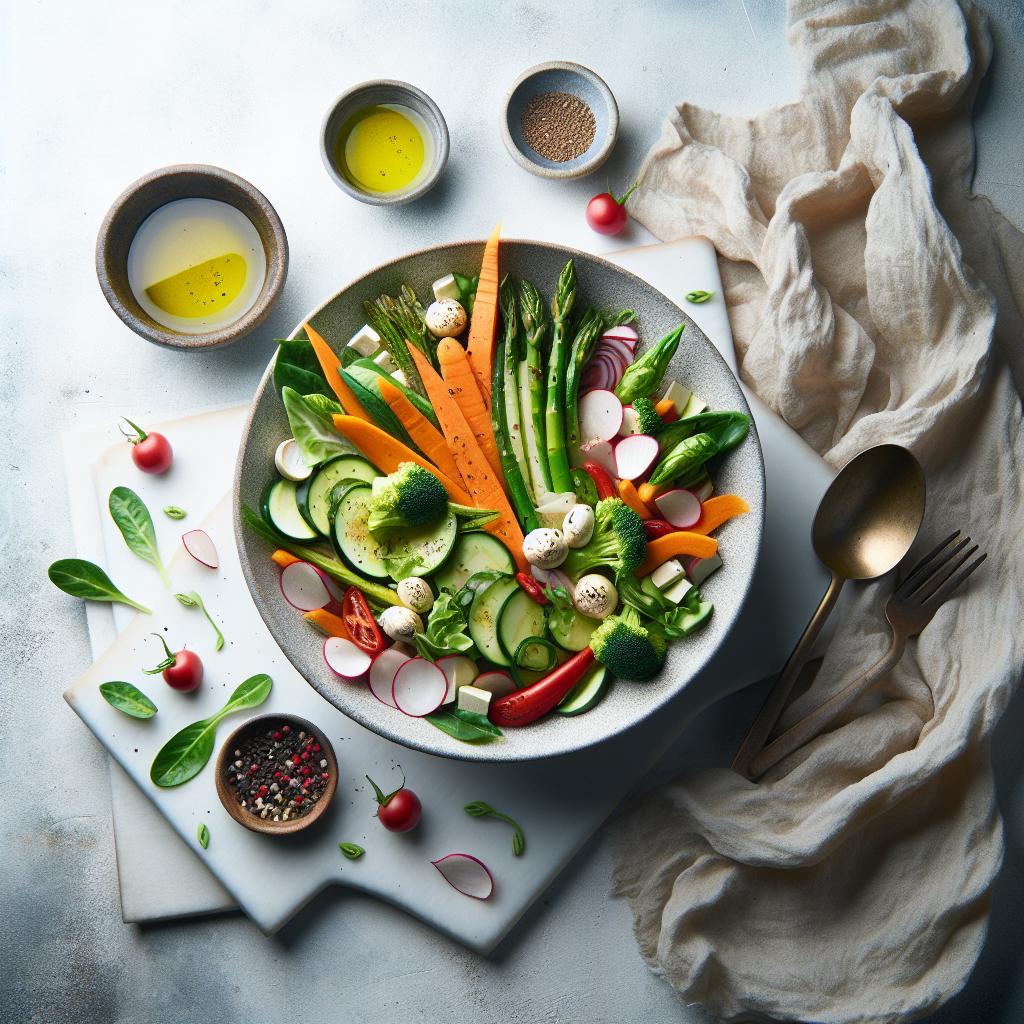
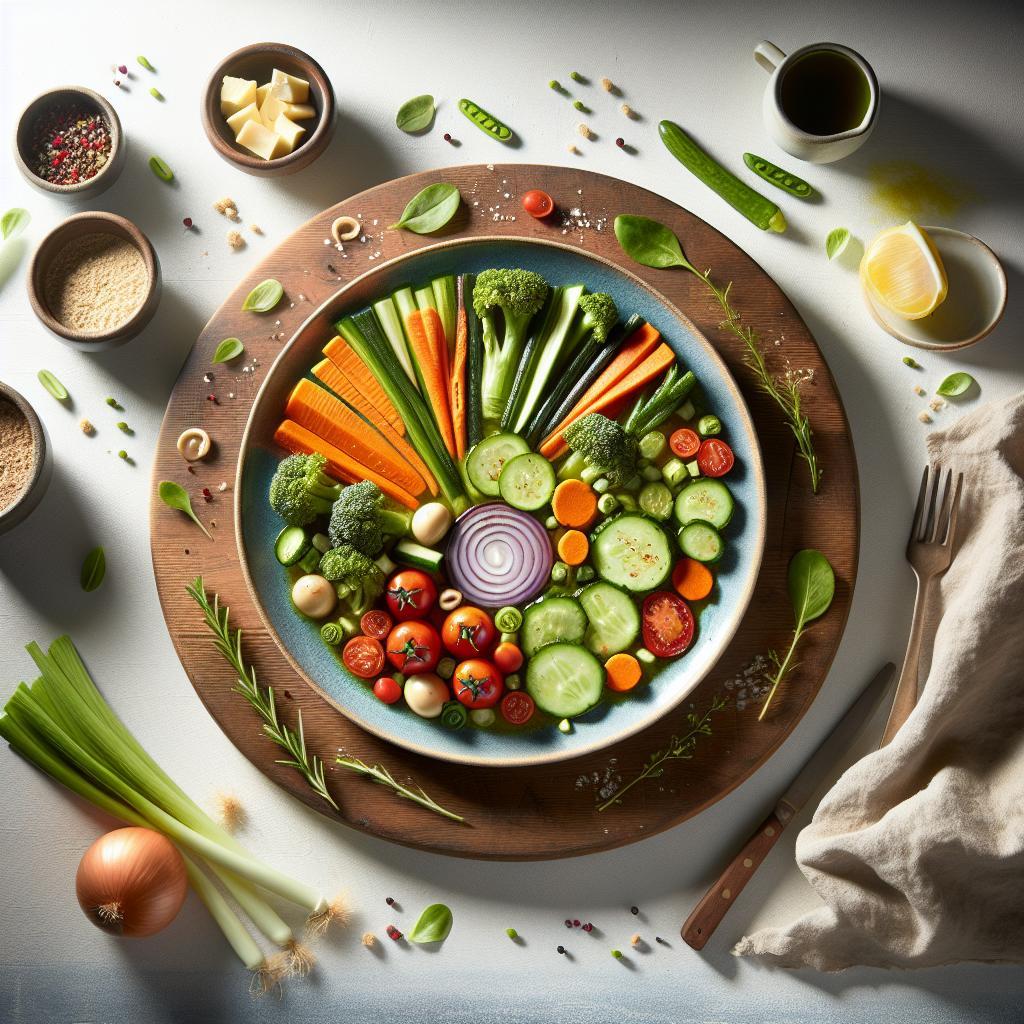
Revive Spring Flavors: Crafting Veggie Stock from Scraps begins with choosing the freshest and most aromatic vegetable remnants to unlock the essence of the season. Spring vegetable scraps like tender pea shoots, carrot tops, asparagus ends, and celery leaves are packed with vibrant flavors that transform simple water into a golden elixir.
Start by gathering your vegetable kitchen scraps from your previous meals or garden harvest-ensure they are clean and free from any wilted or spoiled parts. Rinse everything thoroughly under cold water to remove dirt or grit. Avoid bitter or overpowering additions like broccoli stems or cruciferous vegetables as they can turn your stock bitter.
Prep and Cook Time
- Preparation: 10 minutes
- Cooking: 1 hour 30 minutes
- Total: 1 hour 40 minutes
Yield
- Approximately 6 cups (1.4 liters) of rich vegetable stock
Difficulty Level
- Easy – Perfect for beginner and experienced cooks alike
Ingredients
- 4 cups assorted spring vegetable scraps (carrot peels, celery leaves, asparagus ends, pea shoots, green onion tops)
- 1 medium onion, quartered (no need to peel)
- 2 cloves garlic, smashed
- 1 small bunch fresh parsley stems
- 1 bay leaf
- 10 cups cold filtered water
- 1 teaspoon whole black peppercorns
- Optional: 1 teaspoon dried thyme or rosemary for herbal depth
Instructions
- Combine all prepared vegetable scraps and aromatics in a large stainless steel stockpot. Make sure to include the green parts and stems often discarded for their powerful flavor.
- Pour in 10 cups of cold filtered water, covering the vegetables by about an inch. Starting with cold water allows flavors and nutrients to infuse slowly and evenly as it heats.
- Bring the mixture to a gentle simmer over medium heat. Avoid boiling aggressively as it will cloud your stock and reduce clarity.
- Once simmering, reduce heat to low and partially cover the pot, letting it gently steep for 1 to 1.5 hours. Stir occasionally, skimming off any foam or impurities that rise to the surface with a slotted spoon.
- Turn off the heat and let the stock cool slightly. Using a fine-mesh sieve or cheesecloth, strain the liquid into a heatproof container, pressing down on the solids to extract every drop of liquid gold.
- Discard the veggie scraps responsibly (or compost if possible), then cool the stock completely before refrigerating or freezing for future use.
Chef’s Notes
- For a clearer stock, allow it to rest in the fridge overnight so fat and sediments settle at the bottom; gently strain again if needed.
- Keep scraps in a dedicated freezer bag, accumulating over days, so you have enough to craft a richly flavored batch without hurried prep.
- Substitutions: Avoid strong-flavored vegetables like beets or cabbage. Feel free to add mild mushrooms for umami depth or fresh herbs like dill for spring brightness.
- Make-ahead tip: Stock can be made in large batches and frozen in ice cube trays for quick addition to sauces and soups.
Creative Culinary Uses for Your Freshly Crafted Veggie Stock
Harness the vibrant season by incorporating your homemade spring vegetable stock in a variety of dishes. It enhances soups with an elevated freshness, tenderizes grains like quinoa or risotto, and serves as a flavorful braising liquid for spring veggies or proteins. Consider using it to infuse poached fish with subtle green notes or as a base for light pan sauces paired with herbs.
The versatility of your homemade stock ensures every meal celebrates the bright, renewing qualities of spring. Garnish dishes with fresh herbs such as chervil or tarragon, and add finishing touches of lemon zest or a drizzle of good olive oil to echo the crisp flavors captured in the stock.
Nutritional Information
| Per 1 cup (240 ml) | Calories | Protein | Carbs | Fat |
|---|---|---|---|---|
| Veggie Stock | 15 | 1g | 3g | 0g |

Discover more innovative vegetable stock recipes and kitchen tips over at Vegetable Stock Essentials to elevate your cooking foundation. For deeper insights into the nutritional benefits of spring produce, visit USDA’s Vegetables Guide.
Q&A
Q&A: Revive Spring Flavors – Crafting Veggie Stock from Scraps
Q1: What is veggie stock, and why should I make it from scraps?
A: Veggie stock is a flavorful broth made by simmering vegetables, herbs, and sometimes spices. Making it from scraps-like carrot peels, onion ends, and herb stems-not only reduces kitchen waste but also unlocks a vibrant spring bouquet of flavors you might otherwise toss away. It’s a sustainable, economical, and delicious way to breathe life back into forgotten veggie bits!
Q2: Which vegetable scraps work best for spring-inspired veggie stock?
A: Think fresh and bright: carrot tops, celery leaves, onion skins, garlic peels, mushroom stems, and those sweet herb stems like parsley or thyme. Even a handful of garden-fresh peas or the core of a cabbage can add subtle layers of flavor. Avoid starchy scraps like potato peels or bitter ones like broccoli stalks to keep your stock clear and crisp.
Q3: How do I prepare and store scraps for making veggie stock?
A: Rinse scraps to wash away any dirt, then keep them in a breathable container or a mesh bag in your fridge. Collect scraps throughout the week, then freeze them if you won’t use them within a few days. This way, you’ll always have a rainbow of spring flavors at the ready to craft your next batch of stock.
Q4: What’s the magic recipe for turning scraps into golden veggie stock?
A: Toss your scraps into a large pot with cold water-about 6 cups per 2 cups of scraps. Bring to a gentle simmer, then add a few peppercorns and a bay leaf if you like. Let it bubble softly for 30-45 minutes to coax out the flavors without bitterness. Strain the stock, squeeze out every last drop of goodness from the scraps, and voilà-a vibrant base for soups, risottos, or springtime sauces.
Q5: How can I use homemade veggie stock to enhance spring dishes?
A: Use your fresh stock as the backbone of light spring soups like asparagus or pea soup. It adds depth to risottos with spring vegetables or elevates grain bowls and sautés with a subtle, aromatic lift. Because it’s both eco-friendly and intensely fresh, your dishes will taste bright, clean, and truly bursting with seasonal spirit.
Q6: Any tips for making the process even more inspiring?
A: Treat scrap collection as a mini ritual of seasonal mindfulness-celebrate those little bits of freshness that would otherwise go unnoticed. Pair your veggie stock with herbs freshly picked from your garden or balcony for an extra whisper of spring. And remember, every batch you make is a small act of delicious sustainability!
Embrace the art of revival-turn your spring veggie scraps into liquid gold and let your cooking bloom anew!
Closing Remarks
As the last wisps of broth settle and your kitchen fills with the fresh, earthy scent of spring’s bounty, you’ll discover that crafting veggie stock from scraps is more than just a way to reduce waste-it’s a vibrant celebration of nature’s renewal. Each peel, stem, and leaf discarded no longer feels like refuse but rather a secret ingredient waiting to unlock layers of flavor in your cooking. So, next time you gather your vegetable remnants, remember: in the humble art of reviving spring flavors, sustainability and taste blend effortlessly, inviting you to nourish both your meals and the planet with every simmered pot.