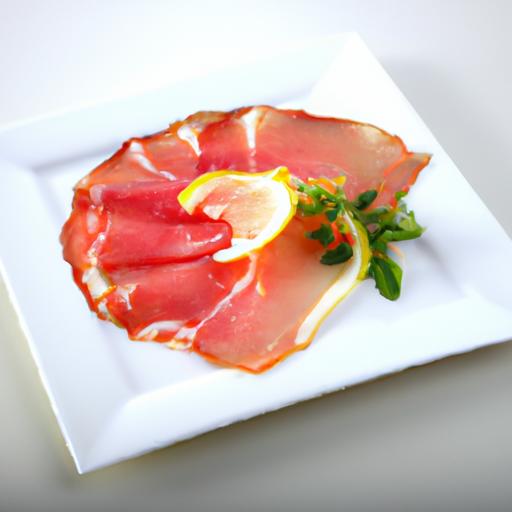

There’s nothing quite like the rich, savory indulgence of a perfectly cured ham-its tender texture and burst of flavor a centerpiece for many cherished meals. But what happens when that once-luscious ham turns dry and chalky, leaving your taste buds yearning for moisture and zest? Fear not, for even the driest ham has the potential to be revived. In this article, we’ll unlock the secrets to restoring juiciness and amplifying flavor, transforming your ham from parched to palatable. Whether it’s a holiday leftover or a freshly sliced piece, these clever tips and techniques will breathe new life into your ham, ensuring every bite is as succulent as it was meant to be.
Reviving Dry Ham: Tips to Restore Juiciness and Flavor
Discovering the perfect way to breathe life back into a dry ham can transform a simple leftover into a luscious centerpiece full of rich aroma and tender juiciness. Reviving dry ham isn’t just about saving food-it’s about unlocking new layers of flavor and texture that celebrate every bite. Whether your ham feels a bit tough from storage or overcooking, these techniques deliver moisture, revive taste, and inspire creative serving ideas to enjoy this classic protein anew.
Prep and Cook Time
Prep Time: 10 minutes | Rehydration & Cooking Time: 30-45 minutes
Yield
Serves 4-6 generously
Difficulty Level
Easy to Medium – Suitable for home cooks of all levels
Ingredients
- 3 cups cooked ham, sliced or cubed (preferably leftover or dry ham)
- 1 cup low sodium chicken or vegetable broth
- 1/4 cup apple cider or orange juice (for natural sweetness)
- 2 tbsp unsalted butter
- 1 tbsp honey or maple syrup
- 1 tbsp Dijon mustard (optional for tangy depth)
- 1 tsp fresh thyme leaves or 1/2 tsp dried thyme
- 1/2 tsp smoked paprika to enhance smoky flavor
- Salt and freshly ground black pepper, to taste
- Fresh parsley or chives for garnish
Instructions
- Prepare the rehydration liquid: In a medium skillet or saucepan, combine the chicken broth, apple cider or orange juice, honey or maple syrup, and Dijon mustard. Bring to a gentle simmer over medium heat to blend the flavors.
- Soften butter and herbs: Once simmering, reduce heat to low and whisk in butter until melted and emulsified. Stir in the thyme, smoked paprika, salt, and pepper.
- Rehydrate the ham: Add the dry ham slices or cubes to the liquid, ensuring they are mostly submerged. Cover with a lid and let simmer gently for 15-20 minutes, allowing the ham to absorb moisture and soften.
- Enhance texture and sear: Remove the lid and increase heat slightly to medium. Stir occasionally and cook uncovered for an additional 5-10 minutes to reduce liquid slightly and concentrate flavors. Lightly caramelize the ham edges by searing until golden, stirring carefully to avoid sticking.
- Adjust seasoning and rest: Taste and tweak salt or sweetness as needed. Remove from heat and let rest for 5 minutes, allowing flavors to meld deeply.
- Garnish and serve: Sprinkle with freshly chopped parsley or chives for a burst of color and fresh aroma before plating.
Tips for Success
- Choose your liquid wisely: For pork lovers, pairing ham with apple cider enhances natural affinities, while orange juice adds bright, citrusy notes. Broth keeps moisture savory.
- Don’t rush the simmer: Gentle, slow warming prevents ham from toughening further and encourages full rehydration.
- Try flavor variations: Substitute fresh rosemary or sage for thyme, add a splash of bourbon for a boozy twist, or stir in minced garlic for added depth.
- Make-ahead notes: Ham can be rehydrated a day ahead, refrigerated overnight, then lightly warmed before serving to save time.
- Common troubleshoot: If your ham still feels dry, briefly poach it in the flavored liquid before finishing on a hot skillet for caramelization and moisture locking.
Serving Suggestions
Present your revived ham as a standalone star on a rustic wooden board, garnished with fresh herbs and paired with tangy mustard or fruit chutneys. It also shines nestled beside fluffy mashed potatoes or glazed carrots, soaking up delicious juices. For a creative twist, layer slices on crusty artisan bread with creamy cheeses and crunchy greens for an elevated ham sandwich experience. Drizzle with honey or a touch of grainy mustard to heighten savoriness and invite guests to savor every tender, juicy bite.
| Nutritional Info (per serving) | Calories | Protein | Carbs | Fat |
|---|---|---|---|---|
| Revived Dry Ham | 210 kcal | 20 g | 5 g | 10 g |

For more creative pork recipes and techniques, explore our Ultimate Pork Cooking Guide. To dive deeper into meat science and food hydration, visit Serious Eats on Why Cooked Meat Dries Out.
Q&A
Q&A: Reviving Dry Ham – Tips to Restore Juiciness and Flavor
Q1: Why does ham sometimes turn out dry after cooking?
A1: Ham can become dry due to overcooking, low-quality cuts, or improper storage. Cooking at too high a temperature or for too long causes the meat fibers to lose moisture, turning your flavorful ham into something closer to shoe leather.
Q2: Can a dry ham really be salvaged, or is it a lost cause?
A2: Absolutely, it can be rescued! A dry ham isn’t condemned forever. With the right techniques, you can coax moisture and flavor back into the meat, transforming it from dry to delightful.
Q3: What’s the quickest way to add juiciness to dry ham slices?
A3: Brushing slices with a glaze or sauce-think honey mustard, maple syrup, or a spiced fruit glaze-adds both moisture and flavor. Warm the ham gently with the glaze to let it soak in, and suddenly you have tender bites that practically melt in your mouth.
Q4: Are there effective soaking methods to rehydrate dry ham?
A4: Yes! Place thin slices or chunks of ham in a mixture of broth (chicken or vegetable), a dash of apple cider vinegar, and a little bit of maple syrup or brown sugar for at least 30 minutes. The liquid wets the meat fibers, replenishing moisture and infusing subtle sweetness.
Q5: How can low and slow cooking help revive a dry ham?
A5: Slow cooking in a moist environment works wonders. Slice the ham thickly, cover it in a flavorful braising liquid (broth with herbs and aromatics), then heat gently at a low temperature. This gradual rehydration tenderizes the meat and deepens its savory notes.
Q6: What role do glazes play beyond just adding sweetness?
A6: Glazes create a beautiful, sticky coating that seals in any remaining moisture and adds layers of flavor-from tangy citrus to spicy mustard. The glaze also helps counterbalance any dryness with glossy, luscious richness.
Q7: Can you revive dry ham when preparing sandwiches or casseroles?
A7: Definitely! Layer dry ham in casseroles with creamy sauces, cheese, and vegetables to mask dryness. For sandwiches, spread a moisture-rich condiment-like mayo, mustard, or avocado-to balance the texture and enhance flavor.
Q8: Are there any seasoning tricks to improve flavor in dry ham?
A8: Sprinkle a crack of fresh black pepper, a pinch of smoked paprika, or a drizzle of flavored oil (like rosemary or garlic-infused olive oil) to awaken the ham’s character. Aromatic seasonings perk up taste buds and distract from dryness.
Q9: How important is letting the ham rest after adding moisture or glaze?
A9: Resting allows the meat to absorb the added liquids fully, giving juices time to redistribute. Cover the ham loosely and let it sit for 10-15 minutes before serving for maximum succulence.
Q10: What’s the golden rule to prevent ham from drying out next time?
A10: Monitor cooking temps and time carefully-ham benefits from gentle heat and moisture retention. Use a meat thermometer to avoid overcooking, and always store your ham wrapped tightly to keep it fresh.
With these creative tips, even the driest ham can be revived into a juicy, flavorful centerpiece. Don’t toss that ham-reimagine and restore!
In Retrospect
Bringing a dry ham back to life may seem like a culinary challenge, but with the right techniques, it’s entirely possible to transform your slice from dull to delicious. Whether you choose to gently rehydrate it, infuse it with flavorful broths, or wrap it in love with complementary ingredients, these tips can restore moisture and awaken its natural savor. So don’t let dryness steal your ham’s spotlight-embrace these simple yet effective methods, and savor every juicy bite as if it were fresh from the oven. Your taste buds will thank you, and your leftovers will never go to waste again.