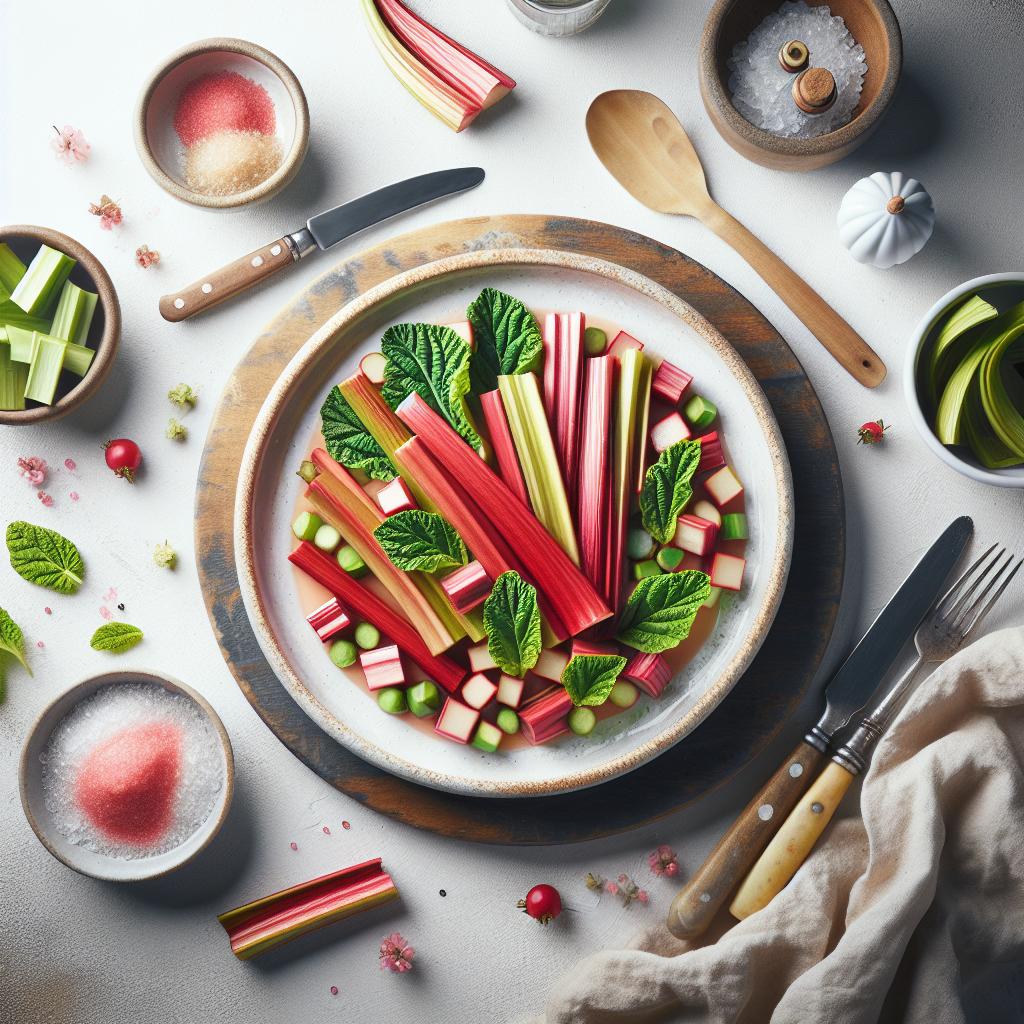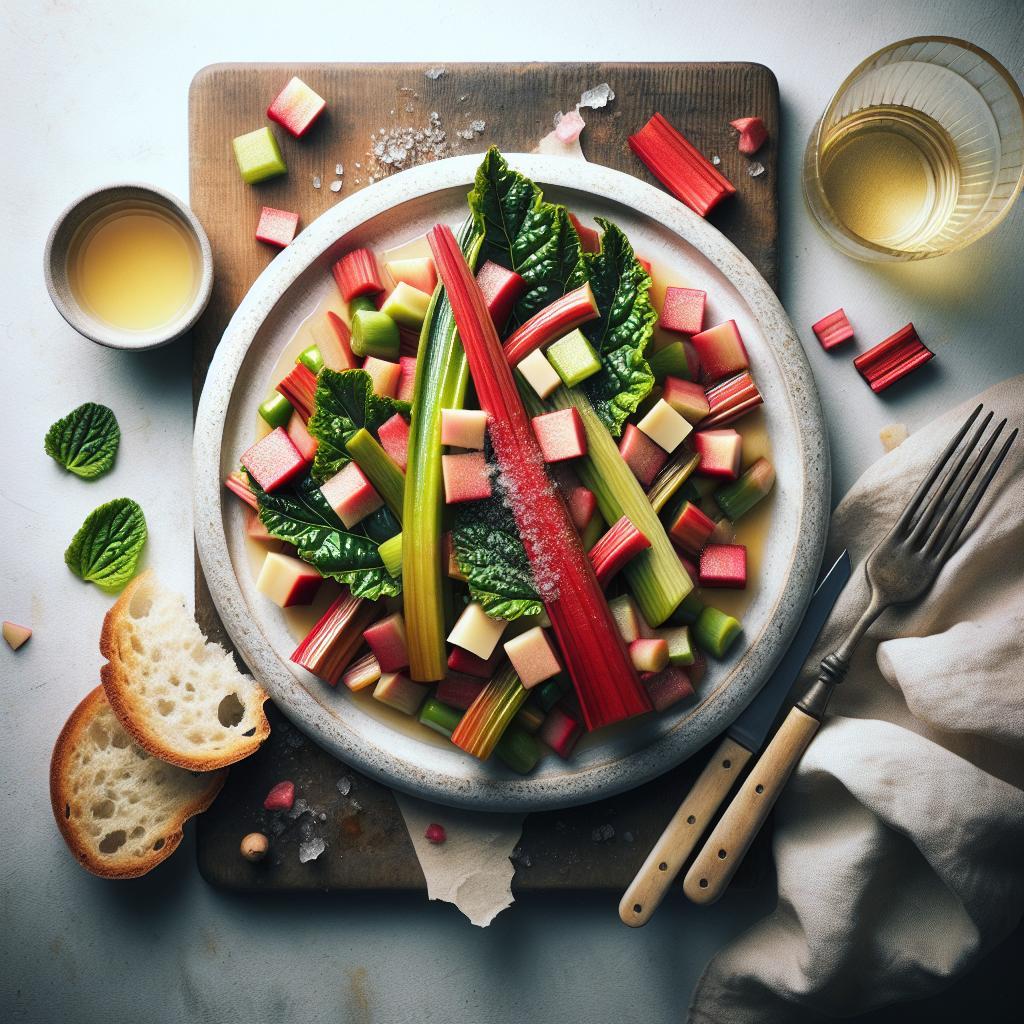

When spring’s first blush ushers in the vibrant stalks of rhubarb, many home gardeners and market shoppers find themselves delightfully overwhelmed. That tart, ruby-hued vegetable-often mistaken for a fruit-is both striking and versatile, but what happens when the harvest tips from abundance into overload? Fear not! Rhubarb overload is less a problem and more an invitation to get creative in the kitchen and beyond. From classic desserts that celebrate its tangy flair to unexpected savory dishes, beverages, and even natural household hacks, your surplus stalks have endless possibilities waiting to be discovered. Let’s explore clever eats and uses to turn that rhubarb bounty from a surplus into a splendid source of flavor and fun.
Unexpected Savory Rhubarb Chutney: A Tangy Twist to Elevate Your Meals
Rhubarb overload? Clever eats and uses for your surplus begin by transforming this traditionally sweet stalk into a strikingly savory chutney that redefines your kitchen repertoire. This recipe brings together the sharpness of rhubarb with aromatic spices and a hint of heat, offering a delightful condiment that pairs effortlessly with roasted meats, creamy cheeses, and charcuterie boards.
Prep and Cook Time
Prep: 15 minutes Cook: 40 minutes Total: 55 minutes
Yield
Approximately 3 cups (6 servings)
Difficulty Level
Medium
Ingredients
- 4 cups fresh rhubarb, chopped into 1-inch pieces
- 1 large red onion, finely diced
- 2 cloves garlic, minced
- 1-inch piece fresh ginger, grated
- 1 cup apple cider vinegar (for tang and preservation)
- 1/2 cup brown sugar, packed
- 1/2 cup raisins (optional, adds natural sweetness)
- 1 tsp mustard seeds
- 1/2 tsp ground cumin
- 1/2 tsp red chili flakes (adjust to taste)
- 1/2 tsp salt
- 2 tbsp olive oil
Instructions
- Heat the olive oil in a heavy-bottomed saucepan over medium heat. Add the mustard seeds and sauté until they start to pop, about 1-2 minutes.
- Add the diced red onion, garlic, and grated ginger. Sauté until the onion is soft and translucent, around 5-7 minutes, stirring frequently to avoid browning.
- Stir in the chopped rhubarb and raisins, then sprinkle with cumin, chili flakes, and salt. Cook for 5 minutes, stirring occasionally as the rhubarb starts to soften.
- Pour in the apple cider vinegar and sprinkle the brown sugar evenly over the mixture.
- Bring the mixture to a gentle boil, then reduce heat to low. Simmer uncovered for 30 minutes, stirring every 5 minutes. The chutney should thicken, and the rhubarb will break down to create a luscious, chunky texture.
- Remove from heat and allow to cool slightly before transferring into sterilized jars. This chutney stores beautifully in the fridge for up to 3 weeks or can be canned for longer preservation.
Tips for Success
- Feel free to experiment by adding other spices such as cinnamon, cardamom, or coriander seeds for a more complex flavor profile.
- If you prefer less heat, reduce or omit the red chili flakes.
- This chutney is a fantastic make-ahead condiment. Store it in sterilized jars and let the flavors marry for 24 hours before serving.
- Use pink or red rhubarb stalks if possible-their vivid color lends a beautiful rosy hue to your chutney.
Serving Suggestions
Serve this tangy rhubarb chutney alongside grilled lamb chops, roasted pork tenderloin, or as part of a cheese platter featuring sharp cheddars and creamy brie. For a vegetarian delight, spoon over roasted vegetables or dollop on buttery mashed potatoes. Garnish with chopped fresh cilantro or parsley to brighten the presentation and add a fresh contrast.

Nutritional Information
| Nutrient | Per Serving |
|---|---|
| Calories | 75 |
| Protein | 1g |
| Carbohydrates | 18g |
| Fat | 2g |
For more inventive ways to enjoy rhubarb, check out our seasonal rhubarb recipes. To dive deeper into preserving techniques that ensure your harvest lasts, visit the National Center for Home Food Preservation for expert guidance.
Q&A
Q&A: Rhubarb Overload? Clever Eats and Uses for Your Surplus
Q: I’ve harvested so much rhubarb, I don’t know what to do with it! Any creative ideas beyond the usual pies?
A: Absolutely! Rhubarb’s tart zing can brighten up more than just desserts. Try crafting refreshing rhubarb lemonade, where the stalks are simmered with sugar and lemon for a tangy twist. Or how about a rhubarb chutney to pair with cheeses and roasted meats? If you’re feeling adventurous, rhubarb can even star in savory dishes like a spicy rhubarb barbecue sauce or a tangy salad dressing.
Q: Can I preserve rhubarb for later use? What’s the best method?
A: Yes! Rhubarb freezes beautifully. Simply chop it into chunks and freeze it on a baking sheet before transferring to bags – no need to blanch. For longer preservation, making rhubarb jam or compote locks in that vibrant flavor and lets you enjoy rhubarb all year round. Another trick is drying thin slices for rhubarb tea blends.
Q: I’m worried about the leaves-are they safe to eat?
A: The leaves are a no-go. Rhubarb leaves contain oxalic acid and are toxic if ingested. Stick to the stalks, which provide all the lovely tartness and culinary versatility you crave. Always discard leaves responsibly.
Q: How can I incorporate rhubarb into everyday meals without it becoming too sour?
A: Balance is key. Offset rhubarb’s tartness with sweetness (honey, brown sugar), creaminess (yogurt, cream cheese), or spice (ginger, cinnamon). For instance, swirl rhubarb compote into vanilla yogurt for a bright breakfast or add sautéed rhubarb to a savory pork stir-fry for contrast. You’ll be surprised at how well rhubarb partners with both sweet and savory flavors.
Q: Besides eating, are there any fun non-culinary uses for excess rhubarb?
A: Definitely! Rhubarb stalks make natural dye – steep chopped rhubarb in hot water and use the pinkish liquid to dye fabrics or Easter eggs. Some gardeners also use rhubarb leaves (not eaten!) as compost material or slug deterrents in the garden. Plus, the stalks add a lovely pop of color to floral arrangements.
Q: What should I keep in mind when cooking with rhubarb to make the most of its unique character?
A: Rhubarb loves low and slow – gentle cooking softens its fibrous texture and mellows the sharpness. Avoid over-sweetening; a hint of tartness keeps dishes bright and refreshing. Also, pair rhubarb with complementary ingredients like strawberries, ginger, or citrus for balanced flavor profiles. Lastly, always trim the leafy ends before cooking.
With these tips and ideas, your rhubarb overflow won’t overwhelm but inspire you to create clever eats that celebrate this tangy garden gem in unexpected and delightful ways!
Final Thoughts
Whether you’re swimming in stalks or just got an unexpected surplus, rhubarb doesn’t have to go to waste. From tangy desserts and refreshing beverages to savory twists and natural remedies, this vibrant ingredient offers a world of culinary possibilities that go beyond the classic pie. Embrace your rhubarb overload as an opportunity to experiment, share, and savor – turning every tart bite into a clever creation. So next time your harvest overflows, remember: with a little imagination, rhubarb can become your kitchen’s most resourceful, flavorful friend.