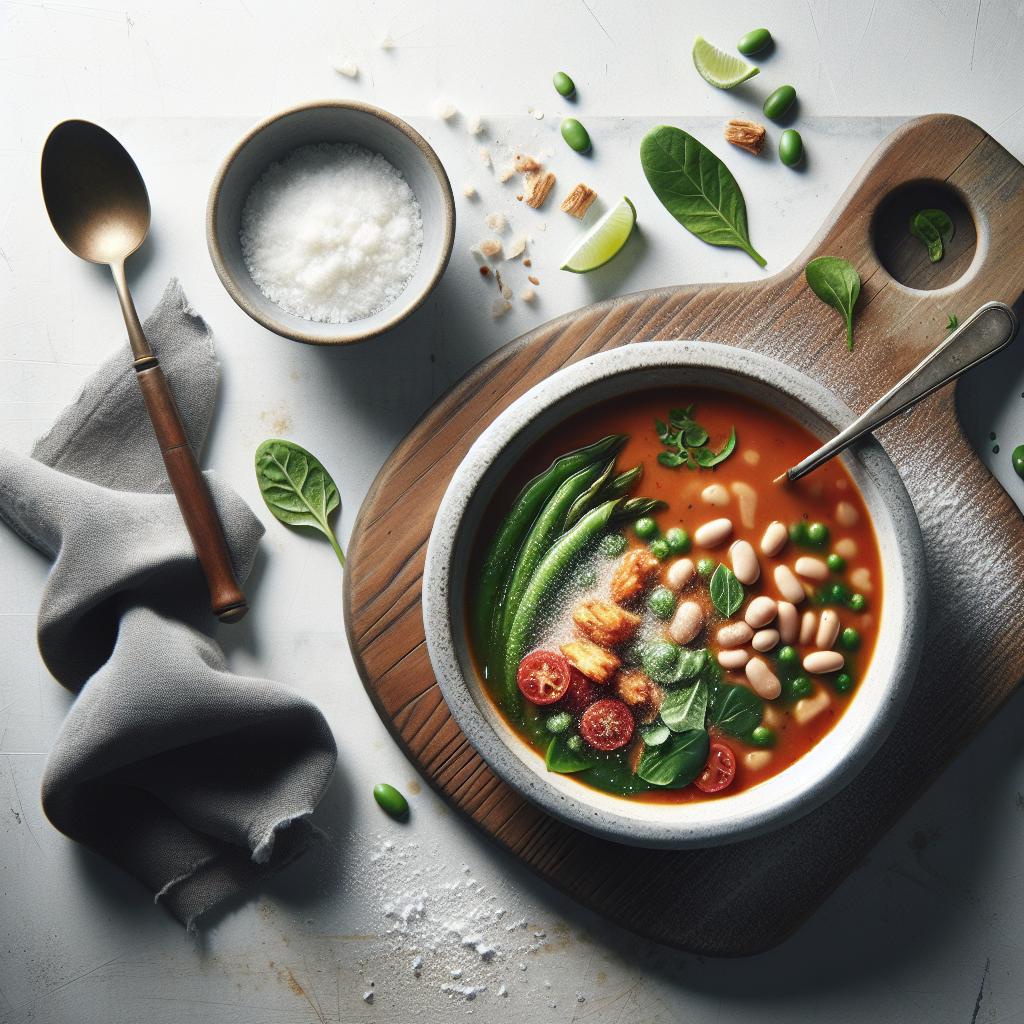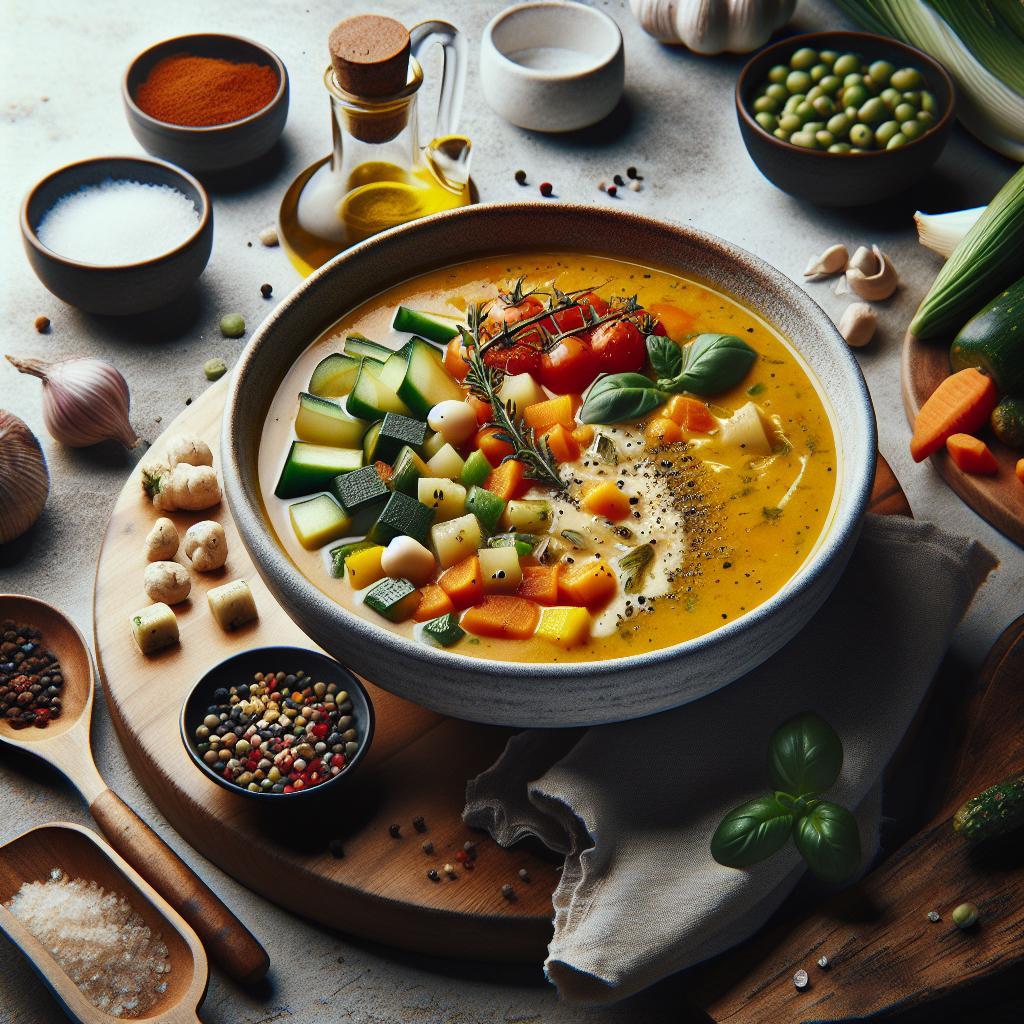

There’s an art to turning a simple soup into a velvety masterpiece, a science to coaxing the perfect texture that clings lovingly to your spoon. Whether you crave the buttery richness of a roux, the subtle smoothness of a slurry, or the hearty embrace of pureed beans, mastering these thickening techniques can elevate your cooking from ordinary to extraordinary. In this article, we’ll unravel the secrets behind these classic soup thickeners, empowering you to transform any broth into a luscious, soul-warming delight. Get ready to stir, whisk, and blend your way to soup perfection!
Roux, Slurry, or Beans: Mastering Soup Thickening Tricks
Roux, slurry, or beans soup thickening tricks provide indispensable tools for transforming a simple broth into a luscious, satisfying bowl that delights both palate and eye. Each method carries its own charm and culinary magic-roux blankets your soup with velvety richness, slurry imparts clarity and elegance, while beans elevate nutrition and flavor in a natural, wholesome way. Today, you’ll master the art of thickening with confidence, uncovering secrets that professional chefs rely on as you tailor your soup’s base perfectly every time.
Prep and Cook Time
Preparation: 15 minutes
Cooking: 30 minutes
Yield
Serves 4 generously
Difficulty Level
Medium – Perfect for home cooks ready to enhance foundational skills
Ingredients
- 2 tbsp unsalted butter
- 2 tbsp all-purpose flour, sifted
- 4 cups vegetable broth or chicken stock
- 1 cup cooked white beans, pureed (optional for bean-thickened base)
- 1 tbsp cornstarch or arrowroot powder (for slurry)
- 2 tbsp cold water (for slurry)
- 1 small onion, finely diced
- 2 cloves garlic, minced
- Salt and white pepper, to taste
- Fresh thyme or parsley sprigs (for garnish)
Instructions
- Prepare your roux: In a heavy-bottomed saucepan, melt the butter over medium heat. Sprinkle in the flour and stir vigorously to combine. Sauté until golden brown and fragrant-about 5 minutes-stirring constantly to prevent burning. This gradual toasting deepens flavor and thickening power.
- Add aromatics: To your roux base, gently stir in diced onion and minced garlic. Cook until softened, about 3 minutes, allowing the flavors to blend beautifully.
- Incorporate broth: Slowly whisk in the vegetable broth to avoid lumps, keeping the mixture smooth and silky. Bring to a gentle simmer and allow it to thicken, stirring often so the roux disperses evenly.
- For slurry thickening: In a small bowl, dissolve cornstarch (or arrowroot) in cold water. When your soup base nears completion, stir this slurry into the hot broth gradually, whisking constantly. Continue simmering until achieving your desired clarity and smooth texture.
- Bean thickening: For a naturally nutritious thickener, puree cooked white beans until silky smooth. Stir them directly into the simmering soup base, allowing their creamy body to elevate both flavor and mouthfeel without overpowering the dish.
- Season and finish: Taste your soup and season with salt and white pepper as needed. Garnish with fresh thyme or parsley to add a fresh herbal note.
Tips for Success
- Roux wisdom: Always cook your roux slowly and stir constantly to avoid bitterness and graininess. The color you aim for depends on the soup type-a light blonde roux suits creamy vegetable soups, while a darker roux adds depth to heartier meat or gumbo-based soups.
- Slurry secrets: Cold water is key for dissolving starch before adding to the hot soup-this avoids clumps and ensures a glossy, translucent finish.
- Beans as thickeners: Use mild varieties like white or cannellini beans to avoid masking delicate flavors. Puree to a fine consistency for a smooth, velvety texture.
- Make-ahead tip: Soups thickened with roux and beans can taste even better the next day as flavors meld-simply reheat gently and adjust thickness with broth or slurry if necessary.
Serving Suggestions
Present your thickened soup housed in rustic ceramic bowls, topped with a drizzle of extra virgin olive oil or a dollop of crème fraîche. Scatter toasted croutons or roasted pumpkin seeds atop for a delightful crunch. Fresh herbs like thyme or chives brighten the presentation and accentuate the dish’s depth.
| Nutrient | Per Serving |
|---|---|
| Calories | 180 kcal |
| Protein | 7 g |
| Carbohydrates | 22 g |
| Fat | 6 g |

For a deeper dive into flavor balancing and soup foundations beyond thickening, check out our Soup Flavor Balancing Techniques. To explore more about starchy thickening agents, visit Serious Eats’ expert guide on roux.
Q&A
Q&A: Roux, Slurry, or Beans: Mastering Soup Thickening Tricks
Q1: Why do soups sometimes need thickening?
A1: Soups need thickening to achieve the perfect texture-one that clings to your spoon and coats your palate without being too watery or overly dense. Thickening enhances mouthfeel, intensifies flavors, and transforms a simple broth into a comforting, hearty meal.
Q2: What exactly is a roux, and how does it work?
A2: A roux is a classic French thickening base made by cooking equal parts fat (usually butter) and flour. The magic happens as the flour cooks, losing its raw taste and gaining a nutty aroma, while binding with the fat to create a smooth paste. When liquid is added, this paste disperses and thickens the soup, giving it a velvety finish.
Q3: How is a slurry different from a roux?
A3: Unlike a roux, a slurry is a simple mixture of cold liquid (water, broth) and starch like cornstarch or arrowroot. It’s stirred into the hot soup at the end of cooking. Slurries thicken quickly without much alteration of flavor or color and are perfect when you need a swift fix to a liquid too thin for words.
Q4: Can beans be used as soup thickeners?
A4: Absolutely! Beans, particularly pureed white beans, lentils, or chickpeas, bring both body and nutrients to your soup. As they cook and break down, their natural starches swell, thickening the broth while adding creamy texture and protein-packed goodness-all without any flour or additives.
Q5: When should I use a roux, slurry, or beans in my soup?
A5: Use a roux when you want a rich, creamy base with depth and subtle toasty notes-think gumbo or creamy bisques. Reach for a slurry when time is short, and you need a clean, glossy finish, such as in clear broths or Asian-inspired soups. Turn to beans if you want hearty, wholesome thickness with added nutrition and a rustic feel.
Q6: Any tips for perfecting these thickening methods?
A6: For roux, cook it low and slow to avoid burning and achieve your desired color (blonde to dark brown). With slurries, mix starch with cold liquid thoroughly first, then slowly stir into hot soup off the heat to prevent clumping. When using beans, puree part or all of the cooked beans directly into the soup for a smooth, luscious texture.
Q7: Can thickening affect the flavor of my soup?
A7: Definitely! Roux can impart a toasty, buttery richness; slurries are generally neutral, preserving the original soup flavors; and beans add earthiness and subtle savoriness. Always balance thickening with seasoning adjustments to keep your soup perfectly flavorful.
Q8: Are there other natural thickening alternatives worth exploring?
A8: Yes! Pureed vegetables like potatoes, squash, or cauliflower lend creaminess and an extra vegetable boost. Nut butters, ground nuts, or even eggs (as in egg-drop soup) offer unique textures and flavors. Exploring these can elevate your soups beyond traditional boundaries.
Mastering soup thickening is about knowing your tools and tastes-and with roux, slurry, and beans in your arsenal, you’re well-equipped to stir up magic in every pot!
Key Takeaways
Whether you reach for a velvety roux, a silky slurry, or hearty beans, mastering these soup-thickening tricks opens a world of textures and flavors to elevate your bowls from simple to sublime. Each thickening method carries its own magic-roux with its golden richness, slurry’s quick alchemy, and beans’ wholesome depth. By understanding their unique characteristics and knowing when to wield them, you become the culinary sorcerer who transforms humble ingredients into comforting masterpieces. So next time your pot bubbles away, remember: the perfect thickeners aren’t just additives-they’re your secret ingredients for soup that warms the heart and delights the palate. Happy thickening!