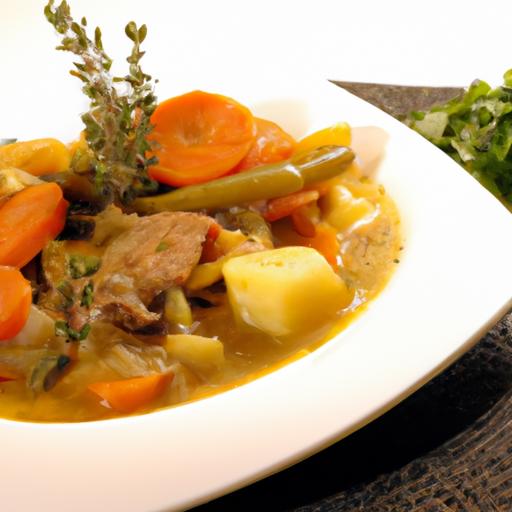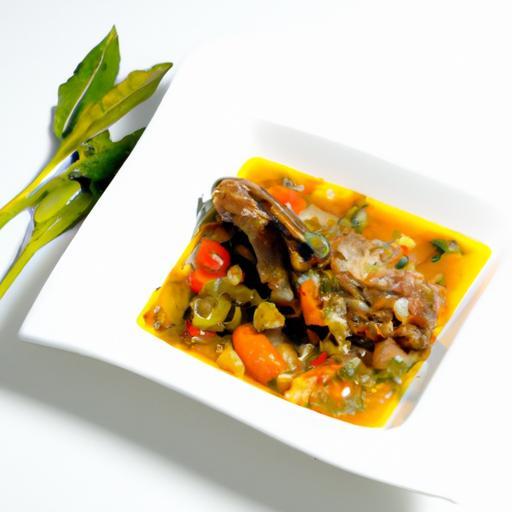

Across continents and cultures, stews have simmered their way into the heart of home cooking, offering more than just nourishment-they deliver comfort, tradition, and stories woven through generations. In “Savor the Globe: Timeless Stews That Warm Every Soul,” we embark on a flavorful journey around the world, uncovering recipes that have stood the test of time. From the hearty warmth of a Moroccan tagine to the rustic charm of an Irish Irish stew, each pot tells a tale of place, people, and passion. Join us as we explore these soul-soothing dishes that invite you to slow down, gather close, and savor the simple joy of a meal that hugs you from within.
Savor the Globe: Timeless Stews That Warm Every Soul unlocks the heartwarming world of global stew traditions, inviting you to embark on a culinary journey where every pot tells a story. Stews have stood the test of time as soul-satisfying, deeply comforting dishes that reflect the rich cultural roots of their creators. From the smoky depths of a French beef bourguignon to the fragrant spices of a Moroccan tagine, these hearty concoctions awaken both palate and spirit.
Prep and Cook Time
- Preparation: 20 minutes
- Cooking: 2 hours 30 minutes
- Total: 2 hours 50 minutes
Yield
Serves 6 generous portions, perfect for sharing and savoring every bite with family or friends.
Difficulty Level
Medium – ideal for home cooks ready to deepen their skills in layering flavors and slow cooking techniques.
Ingredients
- 2 lbs beef chuck, cut into 1.5-inch cubes
- 3 tbsp olive oil or rendered animal fat for authenticity
- 1 large onion, finely chopped
- 3 garlic cloves, minced
- 2 medium carrots, peeled and cut into chunks
- 2 celery stalks, chopped
- 1 cup dry red wine (or broth for a non-alcoholic option)
- 4 cups beef broth, preferably homemade or low sodium
- 2 tbsp tomato paste for richness
- 1 bay leaf
- 2 sprigs fresh thyme
- Salt and freshly ground black pepper, to taste
- 2 tbsp all-purpose flour, for thickening
- 1 cup pearl onions, peeled (optional)
- Fresh parsley, chopped, for garnish
Instructions
- Prep the Beef: Pat beef chunks dry with paper towels to ensure proper browning. Season generously with salt and pepper.
- Brown the Meat: Heat olive oil in a heavy-bottomed Dutch oven over medium-high heat. Sauté the beef cubes in batches, avoiding overcrowding. Brown each side until a deep mahogany crust forms, about 5 minutes per batch. Set aside.
- Sauté Aromatics: Lower heat to medium. Add onions, carrots, and celery, cooking until softened and lightly caramelized, about 7 minutes. Stir occasionally to develop sweet, complex flavors.
- Incorporate Garlic and Tomato Paste: Stir in garlic and cook for 30 seconds until fragrant. Add tomato paste, cooking another 2 minutes while stirring to deepen the mixture’s color and taste.
- Deglaze the Pot: Pour in the red wine to lift all those beautiful browned bits from the bottom. Let the wine simmer until reduced by half, about 5 minutes, concentrating the stew’s backbone flavors.
- Return Beef and Add Broth: Place browned beef back into the pot. Add beef broth, bay leaf, and thyme. Bring to a gentle simmer, then cover and cook over low heat for 2 hours, or until the beef is tender and ready to melt in your mouth.
- Thicken and Enhance: In the final 20 minutes, remove the lid and stir in flour mixed with a little cold water to create a smooth slurry. Add pearl onions if using. Continue cooking uncovered, stirring occasionally until the stew thickens to a luscious, velvety consistency.
- Final Adjustments: Discard bay leaf and thyme stems. Season with salt and pepper to taste. Garnish generously with freshly chopped parsley to brighten the stew’s earthiness.
Tips for Success
- Choosing your meat: Beef chuck is ideal due to its marbling and collagen content, which transforms into flavorful gelatin during slow cooking.
- Make it ahead: Stews often taste even better the next day as flavors meld. Refrigerate and reheat gently for a soulful meal.
- Variation ideas: Experiment with different spices such as smoked paprika for Spanish flair, or cinnamon and cumin for Moroccan warmth to explore diverse stew traditions.
- Perfect thickening: Always mix flour with cold water before adding to prevent clumps and achieve a silky finish.
- Vegetarian substitution: Try hearty mushrooms and lentils with vegetable broth for a rich, satisfying alternative.
Serving Suggestions
Present your stew in rustic ceramic bowls, topped with a sprinkle of fresh parsley and accompanied by crusty artisan bread or creamy mashed potatoes. For a touch of elegance, drizzle a little extra virgin olive oil or a dollop of sour cream to complement the deep flavors. Pair with a robust red wine or a spiced herbal tea to round out the experience.
| Nutrient | Per Serving |
|---|---|
| Calories | 420 kcal |
| Protein | 38 g |
| Carbs | 14 g |
| Fat | 22 g |

Discover more about comforting global recipes and cultural inspirations in our detailed guide on Global Comfort Foods. For an in-depth look into traditional cooking methods, visit Serious Eats.
Q&A
Q&A: Savor the Globe – Timeless Stews That Warm Every Soul
Q1: What inspired the concept behind “Savor the Globe: Timeless Stews That Warm Every Soul”?
A1: The inspiration came from the universal comfort that a well-made stew offers. Across cultures and centuries, stews have been a symbol of warmth, community, and nourishment. This article dives into how these humble, simmering pots connect us all through shared flavors and traditions that transcend borders and time.
Q2: Why do stews hold such a special place in global cuisines?
A2: Stews embody the essence of resourcefulness and hospitality. They often bring together simple, local ingredients, melding them slowly to create deep, soulful flavors. Because stews can be adapted to whatever is available, they have become a culinary staple worldwide, offering an edible story of a region’s history, climate, and culture.
Q3: Can you highlight a few timeless stews featured in the article?
A3: Certainly! From the rich, aromatic Moroccan Tagine, slow-cooked with spices and dried fruits, to the hearty Hungarian Goulash simmering with paprika and tender beef. We also explore Japan’s comforting Oden, packed with seasonal ingredients in a delicate broth, and Nigeria’s spicy and warming Egusi stew, brimming with melon seeds and leafy greens-each a delicious invitation to experience a culture’s heart.
Q4: How do stews nurture soul and spirit beyond just physical nourishment?
A4: Stews are often enjoyed in communal settings-gatherings around a shared pot that invite conversation, storytelling, and connection. The slow-cooking process encourages patience and mindfulness, mirroring the way they gently warm the body and soul. In many traditions, stews are also linked to rituals, family heritage, and celebrations, enriching the emotional tapestry of those who partake.
Q5: What tips does the article offer for home cooks eager to make these stews?
A5: The article encourages embracing the slow magic of stewing-taking time to layer flavors and use fresh, seasonal ingredients. It recommends experimenting with local spices and herbs to authentically capture each stew’s character. Plus, it reminds cooks that imperfections can add charm, and sharing your creation often turns eating into a memorable experience.
Q6: How do timeless stews reflect cultural identities?
A6: Each stew tells a story-of land, climate, and people. Ingredients unique to a region, combined with cooking methods handed down through generations, serve as edible heritage. Stews can reveal trade routes, colonial histories, and migration patterns, making them a deliciously intimate way to taste and understand a culture’s identity.
Q7: What makes stews particularly relevant in today’s fast-paced world?
A7: In an age dominated by speed and convenience, stews invite a slower, more intentional form of cooking and eating. They remind us to pause, nourish ourselves deeply, and connect with others. Their timeless appeal lies in balancing practicality with comfort, making them a perfect antidote to modern-day chaos.
Q8: Can stews be adapted for modern dietary preferences without losing their essence?
A8: Absolutely! One of the beauties of stews is their adaptability. Vegetarian, vegan, gluten-free, or keto-friendly versions can be crafted without sacrificing tradition or flavor. The key is honoring the stew’s soul by respecting its foundational spices, textures, and cooking methods while thoughtfully substituting ingredients to meet dietary needs.
This Q&A highlights the essence of the article, inviting readers to explore the richness and warmth found in stews from around the world, all while inspiring them to bring a taste of global comfort into their own kitchens.
In Summary
As the final spoonfuls of these timeless stews settle warmly in our hearts, we recognize that each simmering pot carries more than just flavors-it holds stories, traditions, and the essence of home from every corner of the globe. Whether you’re nestled by a roaring fire or sharing a meal with loved ones across continents, these hearty dishes invite us to savor not only their rich taste but the shared human experience they nourish. So, let your kitchen be a gateway to cultures past and present, and may every bubbling stew you craft continue to warm every soul it touches.