
As the frosty air wraps the German countryside and twinkling lights begin to dance on historic streets, the aroma of festive delicacies wafts through every corner, inviting locals and visitors alike to gather around the table. Christmas in Germany is not just a holiday-it’s a sensory celebration steeped in tradition, where cherished recipes passed down through generations come alive. At the heart of this Yuletide feast are the succulent roast goose, the richly spiced stollen, and a medley of flavors that embody warmth, comfort, and a joyful spirit. Join us as we unwrap the stories, tastes, and timeless customs that make savoring German Christmas an unforgettable experience.
Traditional German Roast Goose: A Festive Centerpiece
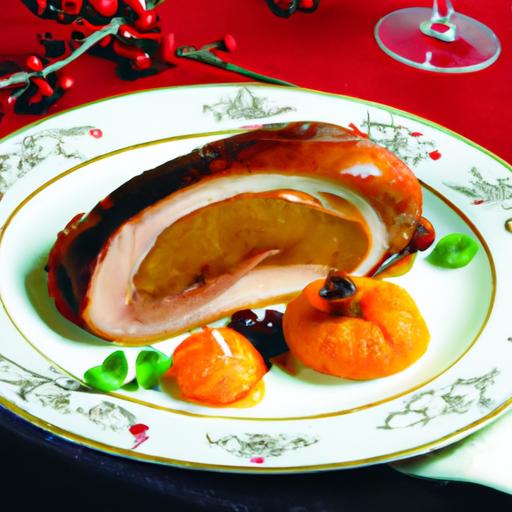
Savoring German Christmas: Goose, Stollen & Festive Flavors comes alive with the rich aromas and tender textures of a traditional German roast goose. This iconic dish, cherished across German homes during the holidays, marries crisp, golden skin with juicy, flavorful meat infused with herbs and fruits. The tradition dates back centuries, celebrating the culmination of the festive season with a feast that warms both heart and home. Personally, I treasure the moment the goose emerges from the oven, filling the kitchen with a nostalgic scent that promises comfort and celebration.
Prep and Cook Time
- Preparation: 30 minutes
- Cooking: 3 hours 15 minutes
Yield
Serves 6-8 hearty portions
Difficulty Level
Medium – Requires attentive roasting and timely basting
Ingredients
- 1 whole goose (10-12 lbs), cleaned and patted dry
- 1 tablespoon salt
- 1 teaspoon freshly ground black pepper
- 2 apples, quartered
- 1 large onion, quartered
- Fresh herbs: 4 sprigs thyme, 4 sprigs rosemary, 2 bay leaves
- 3 tablespoons unsalted butter, melted
- 1 cinnamon stick
- 1 cup vegetable or goose stock
- Optional: 1 cup dried prunes or raisins for stuffing
Instructions
- Preheat the oven to 375°F (190°C). Position a rack in the lower third of the oven.
- Generously season the goose inside and out with salt and black pepper. For an even flavor, gently loosen the skin and slide some butter beneath.
- Stuff the cavity with quartered apples, onion, herbs, cinnamon stick, and dried fruits if using. This imparts a subtle sweet warmth and aroma.
- Truss the legs with kitchen twine and tuck the wings under the body to ensure even cooking.
- Place the goose breast-side up on a rack set inside a roasting pan. Brush the skin with melted butter to promote a golden, crispy crust.
- Roast uncovered for 45 minutes. Then lower oven temperature to 325°F (160°C). Continue roasting, basting every 30 minutes with pan drippings.
- After approximately 3 hours, check internal temperature with a meat thermometer inserted into the thickest part of the thigh (should reach 165°F/74°C).
- Remove the goose from the oven, tent with foil, and let it rest for 20 minutes before carving. This redistributes juices and enhances moistness.
- Optional: Use the pan drippings to create a rich gravy by deglazing with stock and simmering until thickened.
Tips for Success
- Pat the goose skin dry thoroughly before seasoning to achieve the crispiest skin possible.
- Don’t skip resting – it makes carving easier and keeps the meat juicy.
- To reduce excess fat, prick the skin gently or drain off fat halfway through roasting. Goose fat is excellent for roasting potatoes!
- If you prefer a stronger flavor, marinate the goose overnight with herbs and apple slices inside the cavity.
Serving Suggestions
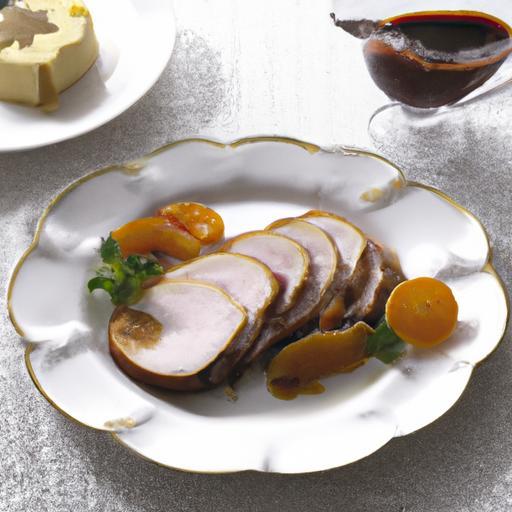
Present slices of the golden roast goose on a large platter, surrounded by traditional sides like red cabbage braised with apples and cinnamon, and potato dumplings. Garnish with fresh thyme sprigs and apple wedges for a festive touch. Pour a glass of dry Riesling or a robust German beer to balance the richness of the meat perfectly.
Festive Flavors Unwrapped: The Story Behind Stollen
No German Christmas celebration is complete without a slice of Stollen-a fruit-laden sweet bread emblematic of joy and tradition. Originating in Dresden in the 15th century, this dense, buttery loaf is studded with dried fruits, nuts, and spiced with hints of citrus and marzipan. The shapes and variations tell stories of family and regional pride. Baking your own stollen at home fills your space with warmth and sweetness, a delicious emblem of festivity.
Prep and Cook Time
- Preparation: 45 minutes (+ 1-hour dough rising)
- Baking: 45 minutes
Yield
One large loaf (8-10 servings)
Difficulty Level
Medium – Requires precise dough handling and ingredient balance
Ingredients
- 3 ½ cups all-purpose flour, sifted
- 1 cup whole milk, warmed
- ½ cup unsalted butter, softened
- ½ cup granulated sugar
- 1 packet (2 ¼ teaspoons) active dry yeast
- 1 teaspoon salt
- 2 teaspoons ground cardamom
- 1 cup assorted dried fruits, finely chopped (raisins, currants, candied citrus peel)
- ½ cup chopped almonds or hazelnuts
- ½ cup marzipan log (optional), for filling
- Powdered sugar, for dusting
- 1 egg, beaten for glaze
Instructions
- Activate the yeast: Combine warm milk with yeast and a pinch of sugar, let sit for 10 minutes until foamy.
- Mix dry ingredients: In a large bowl, whisk flour, salt, sugar, and cardamom.
- Add butter and yeast mixture to dry ingredients, knead into a soft, elastic dough. This may take 8-10 minutes by hand or 5 minutes in a stand mixer.
- Incorporate dried fruits and nuts, ensuring they are evenly distributed but do not over-knead.
- Cover the dough with a clean kitchen towel and let rise in a warm spot for 1 hour or until doubled in size.
- Preheat oven to 350°F (175°C). Punch down dough and shape into an oval. If using marzipan, roll out half the dough, layer marzipan in the center, then fold over and seal edges.
- Place shaped stollen on parchment-lined baking sheet, brush with beaten egg for a golden crust.
- Bake for 40-45 minutes, until deeply golden and cooked through. To check, the internal temperature should read around 190°F (88°C).
- Remove from oven and liberally brush with melted butter, then dust with powdered sugar once cooled to mimic the look of snow.
Tips for Success
- Use quality dried fruits and soak them in rum or orange juice overnight for extra flavor complexity.
- Do not rush the rising step; good fermentation is key to a light yet dense crumb.
- Marzipan adds richness, but can be omitted for a simpler loaf.
- Stollen improves with age; wrap tightly and store for 2-3 days before serving to let flavors meld.
Serving Suggestions
Slice Stollen thick and serve with a pat of creamy butter or alongside mulled wine for a heartwarming pairing. The beautiful powdered sugar crust provides a festive appearance perfect for holiday gatherings.
Seasonal Sips and Sides: Perfect Pairings for Your Christmas Table
Balancing the hearty richness of roast goose and the sweet indulgence of stollen demands carefully chosen accompaniments and drinks. Bright, tangy red cabbage with apple and clove offers textural contrast, while potato dumplings soak up that luscious goose gravy. For drinks, a crisp, chilled German Riesling or a traditional Weihnachtsbier rounds out the experience. Non-alcoholic options like warm spiced apple cider infused with star anise and cinnamon invite everyone to the warmth of the fête.
Sweet Traditions: Crafting German Christmas Confections at Home
Beyond goose and Stollen, German Christmas sweets such as Lebkuchen, Vanillekipferl, and Butterplätzchen evoke nostalgia through their delicate spices and buttery textures. Crafting these confections at home offers a hands-on way to infuse the season with sensory joy. Experiment with variations adding nuts, candied peels, or a dusting of cinnamon sugar for a personal touch. Each bite shares a story-rich in tradition and bursting with festive flavor.
| Nutrient | Per Serving (Goose) | Per Serving (Stollen) |
|---|---|---|
| Calories | 430 kcal | 280 kcal |
| Protein | 35 g | 6 g |
| Carbohydrates | 1 g | 50 g |
| Fat | 32 g | 8 g |

For those eager to explore further into German holiday baking, check our traditional German cookie recipes. Detailed insights into the cultural significance can be found through Encyclopaedia Britannica’s Stollen overview.
Q&A
Q: What makes German Christmas cuisine uniquely festive?
A: German Christmas cuisine is a delightful blend of rich traditions and regional flavors that evoke warmth and celebration. From the centerpiece roast goose to the sweet, spiced treats like stollen, each dish tells a story of centuries-old customs and heartfelt gatherings.
Q: Why is roast goose a staple at German Christmas tables?
A: Roast goose, or Weihnachtsgans, is more than just a meal-it’s a symbol of abundance and family unity. Traditionally enjoyed on Christmas Day, the goose is often stuffed with apples, onions, and herbs, then roasted to crispy perfection, offering a savory contrast to the season’s sweeter fare.
Q: What is Stollen, and why is it so cherished during the holidays?
A: Stollen is a rich, buttery fruit bread dusted with powdered sugar, often likened to a deliciously festive loaf wrapped in snow. Packed with dried fruits, nuts, and sometimes marzipan, it’s a centuries-old treat that captures the spirit of Christmas with every slice.
Q: Are there any other festive flavors central to German Christmas celebrations?
A: Absolutely! Mulled wine (Glühwein), spiced cookies (Lebkuchen), and simmering pots of sauerkraut or red cabbage all contribute layers of warmth and tradition. The aromatic blend of cinnamon, cloves, and citrus in many dishes paints a sensory picture of a cozy German winter.
Q: How can someone recreate the magic of a German Christmas feast at home?
A: Start with the classics: roast a goose or a duck, bake a stollen, and prepare simple sides like red cabbage and potato dumplings (Knödel). Complement the meal with a hot cup of Glühwein. Add some festive music and candlelight, and you’ll bring a little piece of Germany’s yuletide charm right to your table.
Q: What cultural significance do these festive flavors hold in Germany?
A: German Christmas dishes are steeped in a blend of pagan winter solstice customs and Christian holiday traditions. Sharing these meals strengthens family bonds and connects present celebrations with the rhythms of history, reminding everyone of the joy in togetherness and the richness of seasonal bounty.
Insights and Conclusions
As the warmth of the season wraps around you like a cozy woolen scarf, savoring German Christmas traditions offers more than just a feast for the senses-it’s a journey into a rich tapestry of history, culture, and timeless flavors. From the succulent roast goose that graces the family table to the sweet, spiced notes of stollen that linger long after the last crumb is gone, each bite tells a story of celebration and togetherness. Embracing these festive tastes invites you to slow down, appreciate the artistry behind every dish, and create your own cherished memories amid twinkling lights and joyful hearts. So this holiday season, let the enchanting flavors of a German Christmas inspire your festive table and warm your soul with a taste of tradition.