
There’s a magic in every scoop of ice cream-a timeless delight that transcends cultures, generations, and seasons. From its humble, icy beginnings to the lavish, swirl-topped cones of today, ice cream has carved a unique place in the story of human indulgence. “Savoring Time: The Sweet History of Ice Cream Unfolded” invites you on a delicious journey through centuries of innovation and discovery, revealing how this beloved frozen treat evolved from ancient concoctions to modern masterpieces. Join us as we explore the origins, the artistry, and the cultural moments that have made ice cream a symbol of joy and celebration around the world.
Savoring Time brings us on a journey into the velvety world of homemade ice cream, where centuries of tradition and innovation intertwine to create pure joy in every scoop. This beloved frozen dessert, cherished by civilizations from ancient Persia to imperial China, gradually spread from royal courts around the globe to bustling street stands, capturing the imagination of every palate it touched. Today, we explore how you can craft creamy perfection in your own kitchen, blending time-honored techniques with modern flavor twists that honor ice cream’s rich history while inspiring your creativity.
Prep and Cook Time
Preparation: 20 minutes
Chilling: 4 hours (or overnight)
Freezing: 30 minutes to 1 hour (with ice cream maker)
Yield
Approximately 4 generous servings
Difficulty Level
Medium – perfect for adventurous home cooks ready to elevate their dessert skills
Ingredients
- 2 cups whole milk, chilled
- 1 cup heavy cream, chilled
- 3/4 cup granulated sugar
- 4 large egg yolks
- 1 tablespoon pure vanilla extract
- Pinch of fine sea salt
- Optional: 1/2 cup mix-ins such as toasted nuts, chocolate chips, or fresh berries
Instructions
- Combine the dairy: In a medium saucepan, stir together the whole milk and heavy cream. Warm gently over medium heat until just steaming, about 3-4 minutes; do not boil.
- Whisk the yolks and sugar: In a separate bowl, vigorously whisk the egg yolks with the granulated sugar until pale and creamy, about 2-3 minutes.
- Temper the yolks: Slowly pour about 1/2 cup of the warm milk mixture into the egg yolk mixture, whisking constantly. This step prevents curdling by gently raising the temperature of the eggs.
- Cook the custard: Pour the tempered yolks back into the saucepan with the remaining milk mixture. Cook over low heat, stirring constantly with a wooden spoon, until the mixture thickens enough to coat the back of the spoon (about 170°F/77°C). Be patient, stirring to avoid scrambling the eggs.
- Strain and chill: Remove from heat and strain the custard through a fine sieve into a clean bowl to catch any cooked bits. Add the vanilla extract and a pinch of sea salt. Cover with plastic wrap pressed directly onto the surface and chill for at least 4 hours or overnight for best texture.
- Freeze the ice cream: Pour the chilled custard into your ice cream maker and churn according to the manufacturer’s instructions (generally 30-45 minutes). Add any optional mix-ins during the last 5 minutes of churning.
- Set for serving: Transfer the ice cream to a lidded container and freeze for 2 hours if you prefer a firmer scoop. Serve immediately for a soft-serve style delight.
Tips for Success
- Temperature control is key: Make sure not to boil the milk or cook the custard over high heat to avoid curdled texture.
- Customize your flavors: Infuse your milk with spices like cinnamon sticks, coffee grounds, or fresh herbs before heating, then strain before tempering yolks.
- Experiment with sweeteners: Swap granulated sugar with honey, maple syrup, or coconut sugar for subtle depth and unique sweetness.
- Make ahead: The custard base can be prepared up to 2 days in advance and kept refrigerated to deepen the flavor.
- For a no-churn option: Whip 2 cups heavy cream to soft peaks, gently fold in sweetened condensed milk and vanilla, freeze overnight for an easy creamy treat without an ice cream maker.
Serving Suggestions
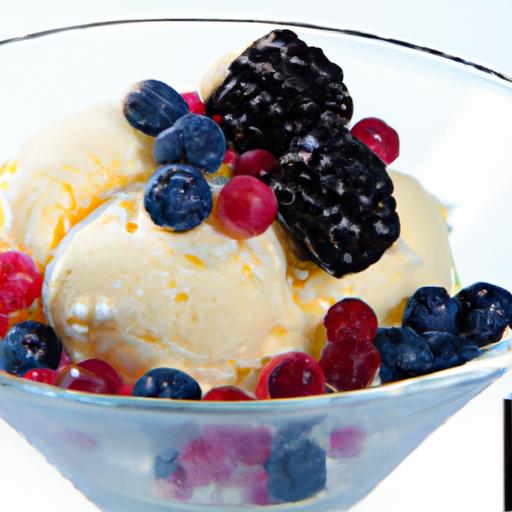
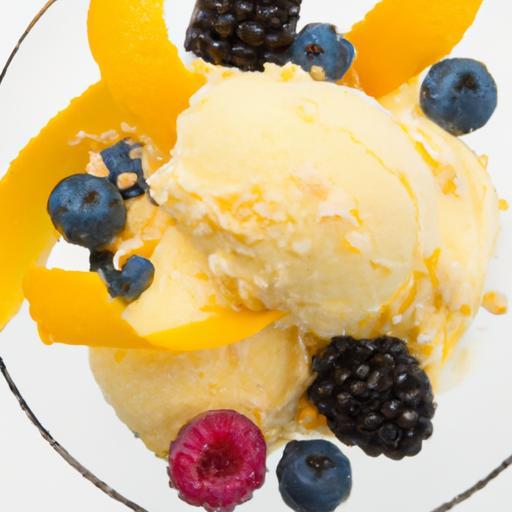
Elevate your ice cream by serving it in chilled bowls or classic waffle cones. Garnish with fresh berries, a sprinkle of toasted nuts, or a drizzle of homemade caramel or rich chocolate sauce for a decadent finish. For a nostalgic twist, create an ice cream sandwich using buttery cookies or soft brownies. Pair with a crisp espresso or a lightly sweetened iced tea to balance the richness.

| Nutrient | Per Serving |
|---|---|
| Calories | 280 kcal |
| Protein | 5g |
| Carbohydrates | 28g |
| Fat | 16g |
To delve deeper into traditional artisanal ice cream methods, check out our Classic Ice Cream Techniques article. For historic context on frozen desserts worldwide, visit the Encyclopaedia Britannica Ice Cream Entry.
Q&A
Q&A: Savoring Time – The Sweet History of Ice Cream Unfolded
Q1: How far back does the story of ice cream really go?
A1: The tale of ice cream stretches back over 2,000 years to ancient China, where a chilled mixture of milk and rice was frozen using snow. From there, the delicious concept traveled through Persia, the Arab world, and eventually Europe, evolving into the creamy treat we adore today.
Q2: What makes ice cream such a timeless delight?
A2: Ice cream captivates our senses with its unique combination of creamy texture, sweet flavors, and cold refreshment-a trifecta that transcends cultures and generations. It’s not just a dessert; it’s a joyful pause, a shared moment, and a celebration of craftsmanship and innovation.
Q3: When did ice cream become widely popular in the Western world?
A3: Ice cream gained prominence during the 17th century, especially in Europe’s royal courts. By the 18th century in America, thanks to the advent of hand-cranked freezers and frozen storage, ice cream was no longer just a luxury-it was a beloved treat for many.
Q4: How did technology transform ice cream over the years?
A4: The invention of refrigeration and mechanized ice cream makers in the 19th and 20th centuries revolutionized production. This allowed for mass production and a dazzling variety of flavors. Suddenly, ice cream was not just a sensation of the elite but a sweet staple for all.
Q5: What cultural significance does ice cream hold around the world?
A5: Every culture has infused ice cream with its own flair-Italian gelato’s silky richness, Japan’s delicate mochi ice cream, or India’s saffron-infused kulfi. Ice cream adapts to local tastes, becoming a canvas of cultural identity that brings people together in sweetness.
Q6: Why do we say ice cream is “savoring time”?
A6: Ice cream invites us to slow down and relish the moment. Each lick or spoonful is an exercise in mindfulness, a sensory journey through history, flavor, and texture. It’s a sweet reminder that sometimes, the best moments are those we savor slowly.
Q7: What’s next in the future for ice cream?
A7: The future of ice cream is a playground of innovation-think plant-based creaminess, exotic superfood infusions, and even space-inspired flavors. As it continues to evolve, ice cream will keep surprising us, always sweetening the passing of time.
In Conclusion
As the last scoop melts on our tongues, we realize that ice cream is far more than a simple treat-it is a timeless story of innovation, culture, and joy. From ancient frozen delicacies to modern-day sundaes, each bite connects us to centuries of human creativity and celebration. So next time you indulge in this sweet, creamy delight, remember: you’re savoring not just flavor, but a rich history that continues to unfold with every lick and spoonful. Here’s to appreciating the past-and to many more moments of frozen bliss ahead.