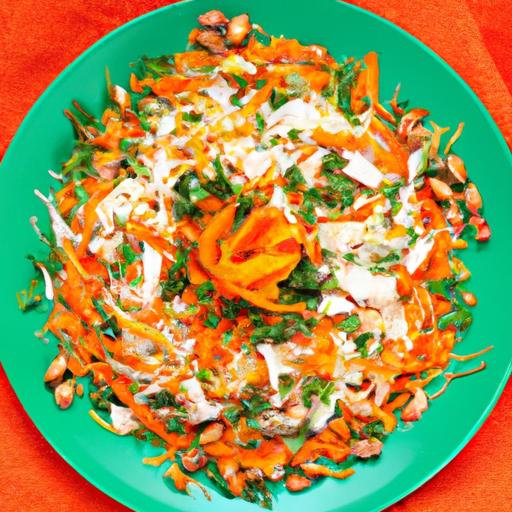

In a world where fast food and convenience often overshadow nutrition, eating healthy can sometimes feel like a luxury reserved for those with deep pockets. But what if nourishing your body didn’t have to come with a hefty price tag? Welcome to Smart & Savvy: Budget-Friendly Tips for Healthy Eating, your guide to unlocking delicious, wholesome meals without breaking the bank. This article will empower you with easy, practical strategies to shop smarter, cook creatively, and live well-all while keeping your budget intact. Get ready to make every dollar count toward a healthier, happier you!
Smart & Savvy: Budget-Friendly Tips for Healthy Eating start with mastering smart shopping strategies that transform your kitchen into a haven of nutritious delights without stressing the wallet. Imagine selecting vibrant produce, wholesome grains, and affordable superfoods that pack a punch in flavor and health-each item carefully planned to boost your meals’ value and vitality. This method isn’t just about saving money; it’s about cultivating a lifestyle where wellness and savings go hand in hand.
Prep and Cook Time
Preparation: 15 minutes
Cooking: 25 minutes
Total Time: 40 minutes
Yield
Serves 4 generous portions
Difficulty Level
Easy to Medium – suitable for home cooks eager to optimize flavor and nutrition with budget-friendly ingredients.
Ingredients
- 1 cup quinoa, rinsed thoroughly
- 2 cups low-sodium vegetable broth (or water)
- 1 medium sweet potato, diced into ½-inch cubes
- 1 cup canned chickpeas, drained and rinsed
- 1 small red bell pepper, thinly sliced
- 2 cups kale, roughly chopped, stems removed
- 2 cloves garlic, minced
- 1 tbsp olive oil
- 1 tsp smoked paprika
- ½ tsp ground cumin
- Salt and freshly ground black pepper, to taste
- Juice of 1 lemon
- 2 tbsp chopped fresh parsley (optional garnish)
Instructions
- Cook the quinoa: In a medium saucepan, combine rinsed quinoa and vegetable broth. Bring to a boil, reduce heat to low, cover, and simmer for 15 minutes until liquid is absorbed. Remove from heat and let it stand, covered, for 5 minutes. Fluff with a fork.
- Roast the sweet potatoes: Preheat the oven to 425°F (220°C). Toss diced sweet potatoes with half the olive oil, smoked paprika, cumin, salt, and pepper. Spread on a baking sheet in a single layer. Roast for 20 minutes, turning once halfway through, until tender and lightly caramelized.
- Sauté the vegetables: While potatoes roast, heat remaining olive oil in a large skillet over medium heat. Add minced garlic and red bell pepper. Sauté 3-4 minutes until fragrant and softened. Add kale and chickpeas; cook another 5 minutes, stirring occasionally, until kale wilts and chickpeas are warmed through.
- Combine and finish: Transfer sautéed veggies and roasted sweet potatoes to the cooked quinoa. Stir gently. Drizzle with fresh lemon juice and adjust seasoning with salt and pepper as needed.
- Plate and garnish: Serve warm, garnished with chopped parsley for a burst of color and fresh herbaceous flavor.
Chef’s Notes
- Ingredient Swaps: Substitute quinoa with brown rice or bulgur for a different texture. Use kale alternatives like spinach or Swiss chard depending on seasonal availability.
- Meal Prep Magic: This dish holds beautifully in the fridge for up to 4 days-perfect for batch cooking. Reheat gently on the stovetop with a splash of water or broth to retain moisture.
- Flavor Boost: Add a sprinkle of toasted nuts or seeds for crunch, or a dollop of Greek yogurt on serving plates for creaminess.
- Stretching the Budget: Purchase canned chickpeas in bulk or swap for dried chickpeas soaked overnight and cooked at home to save even more.
Serving Suggestions
Serve this vibrant quinoa bowl as a wholesome main dish accompanied by a crisp, green side salad and whole grain flatbread. For a Mediterranean twist, add crumbled feta or olives on top. Garnish with fresh herbs like cilantro or mint to elevate aroma and appeal. A wedge of lemon on the side encourages a fresh squeeze just before eating, brightening each hearty bite.
| Nutrient | Per Serving |
|---|---|
| Calories | 320 kcal |
| Protein | 10 g |
| Carbohydrates | 52 g |
| Fat | 7 g |

For further inspiration on nourishing meals that keep your wallet happy, explore our Easy Weeknight Dinners collection. And to deepen your nutritional knowledge, the USDA’s guide to eating healthy on a budget offers expert advice.
Q&A
Q&A: Smart & Savvy – Budget-Friendly Tips for Healthy Eating
Q1: Is it really possible to eat healthy without spending a fortune?
Absolutely! Eating nutritious meals doesn’t mean emptying your wallet. With some smart planning and savvy shopping, you can enjoy wholesome foods that fuel your body and respect your budget.
Q2: What’s the very first step to eating healthy on a budget?
Start with a plan! Creating a weekly meal plan helps you avoid impulse buys and reduce food waste. Knowing exactly what you need means you only buy what you’ll use, saving money and time.
Q3: How can I make grocery shopping more cost-effective without compromising nutrition?
Focus on staple ingredients like beans, lentils, whole grains, seasonal fruits, and vegetables. These are nutrient-packed and affordable. Also, buying in bulk and choosing store brands can significantly cut costs without sacrificing quality.
Q4: Are frozen veggies a good alternative to fresh produce?
Yes! Frozen vegetables are often flash-frozen at peak ripeness, locking in nutrients. They’re usually less expensive, last longer, and reduce waste, making them a budget-friendly and healthy choice.
Q5: What’s the secret to healthy eating when dining out on a tight budget?
Look for options that include veggies, lean proteins, and whole grains. Sharing meals, ordering smaller portions, and avoiding sugary drinks can help keep costs down and nutrition up.
Q6: Can I satisfy cravings healthily without breaking the bank?
Definitely. Swap pricey processed snacks with homemade alternatives like air-popped popcorn, fruit slices with nut butter, or yogurt with a sprinkle of granola. These are satisfying, wholesome, and wallet-friendly.
Q7: How does batch cooking fit into budget-friendly healthy eating?
Batch cooking saves both time and money. Preparing large portions and freezing them in portions prevents last-minute unhealthy takeout temptations and reduces the cost per meal.
Q8: Any tips for making healthy eating sustainable over the long term?
Keep it simple and flexible! Don’t aim for perfection-focus on progress. Mix new budget-friendly recipes with familiar favorites, and don’t hesitate to experiment with inexpensive superfoods like oats, eggs, and canned fish.
Q9: What about beverages – can they affect my budget and health?
Drink smart! Water is free and the best choice. Limit sugary drinks and fancy coffees that can add up fast. Herbal teas and homemade infused waters offer variety without extra costs.
Q10: Where can I find inspiration for budget-friendly healthy recipes?
The internet is a goldmine-blogs, social media channels, apps, and online communities are filled with creative, affordable recipes. Try starting a recipe swap circle with friends to share ideas and tips.
Healthy eating on a budget isn’t just a dream-it’s a savvy lifestyle choice that benefits both your body and your bank account. Start small, shop smart, and savor every nourishing bite!
The Way Forward
Embracing a smart and savvy approach to healthy eating doesn’t mean emptying your wallet-it’s about making mindful choices that nourish your body and respect your budget. With a little planning, creativity, and savvy shopping, you can transform wholesome meals from a costly challenge into an affordable lifestyle. Remember, healthy eating is not a luxury, but a smart investment in your well-being. So, roll up your sleeves, bring your appetite for knowledge, and start crafting delicious, budget-friendly meals that fuel both your body and your savings. Here’s to eating well, spending smart, and living fully!