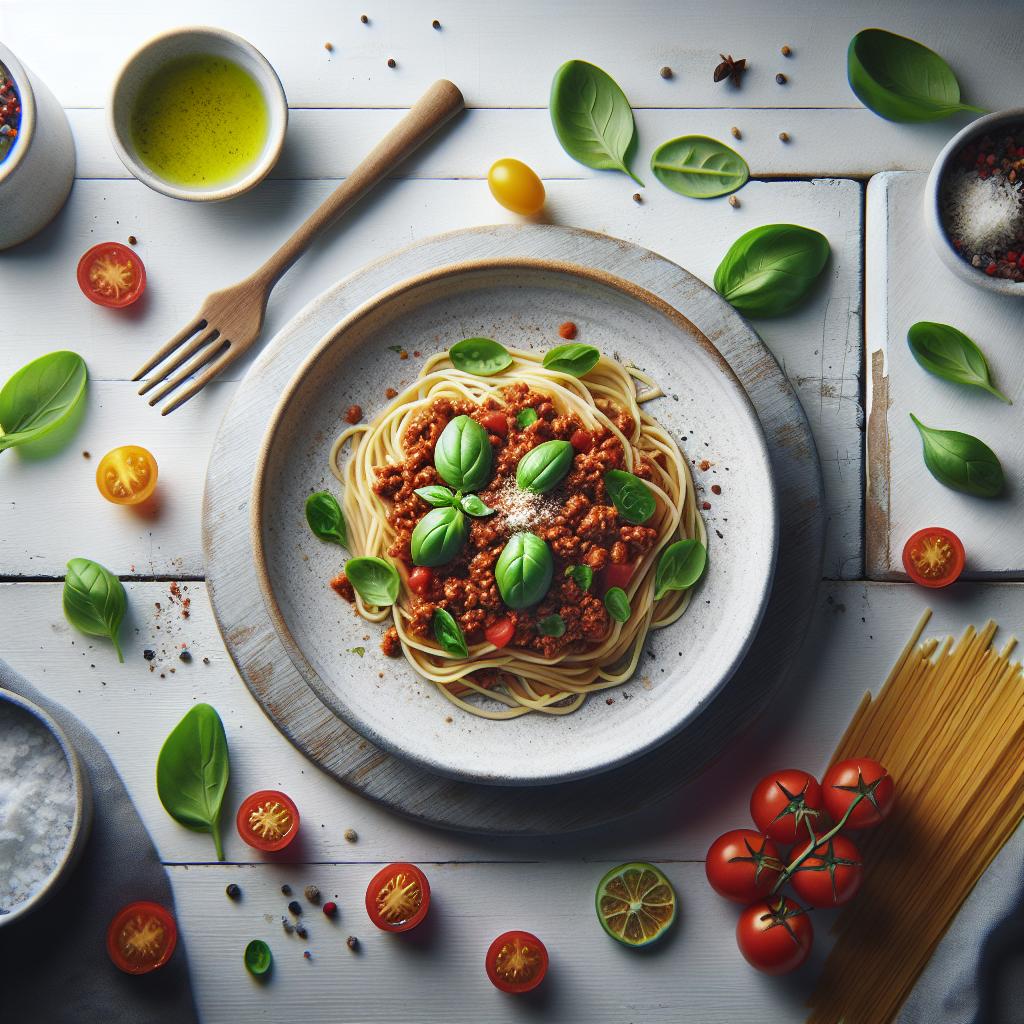

In the world of comfort food, few dishes hold the universal charm and nostalgic pull of Spaghetti Bolognese. Often relegated to a humble weeknight meal or a staple on casual menus, this iconic pasta dish harbors stories and secrets far richer than its familiar tomato-rich sauce. Beyond the twirl of noodles and hearty meat lies a tapestry of history, regional influence, and culinary artistry passed down through generations. In this article, we embark on a flavorful journey-uncovering the untold origins of Spaghetti Bolognese and unlocking secret recipe tips that elevate every forkful from ordinary to extraordinary. Prepare to see this beloved dish in an entirely new light, where tradition meets taste in every simmering pot.
Spaghetti Bolognese captures the heart of Italian cuisine with its rich history and deeply comforting flavor profile. Rooted in the culinary traditions of Bologna, Italy, this iconic dish is far more than a simple meat sauce served with pasta-it is a celebration of carefully chosen ingredients and time-honored techniques that transform humble components into a symphony of taste. Whether you grew up savoring a homemade version or are discovering its authentic soul for the first time, mastering true Spaghetti Bolognese invites you into the warmth of Italian kitchens where passion and precision reign.
Prep and Cook Time
- Preparation: 20 minutes
- Cooking: 2 hours 30 minutes
- Total Time: 2 hours 50 minutes
Yield
Serves 6 hearty portions
Difficulty Level
Medium – Perfect for determined home cooks ready to elevate their pasta game with patience and care
Ingredients for Classic Spaghetti Bolognese
- 2 tbsp extra virgin olive oil
- 100g pancetta, finely diced
- 1 medium onion, finely chopped
- 2 cloves garlic, minced
- 2 medium carrots, finely diced
- 2 celery stalks, finely diced
- 500g ground beef (preferably 80% lean)
- 250g ground pork
- 1 cup whole milk
- 1 cup dry white wine
- 800g canned San Marzano tomatoes, crushed
- 2 tbsp tomato paste
- 1 tsp dried oregano
- 2 fresh bay leaves
- Salt and freshly ground black pepper, to taste
- 400g spaghetti
- Freshly grated Parmigiano-Reggiano, to serve
- Fresh basil leaves or flat-leaf parsley, for garnish
Step-by-Step Instructions for Authentic Spaghetti Bolognese
- Heat the olive oil in a large heavy-bottomed pan over medium heat. Add the diced pancetta and sauté until golden and slightly crisp, about 5 minutes.
- Add the onion, carrot, and celery, stirring occasionally until the vegetables are softened and translucent, approximately 8-10 minutes. This soffritto is the flavor base.
- Stir in the minced garlic and cook for 1 minute, allowing the aroma to bloom without burning.
- Add the ground beef and pork to the pan. Break the meat apart with a wooden spoon, sautéing until browned evenly and no pink remains, about 10 minutes.
- Pour in the milk, stirring gently, and simmer until it has mostly evaporated. This tenderizes the meat and enriches the sauce.
- Add the white wine and let it reduce until nearly evaporated, enhancing the depth of flavor.
- Mix in the crushed tomatoes, tomato paste, oregano, and bay leaves. Season with salt and freshly ground pepper.
- Reduce heat to low and simmer uncovered for 2 hours, stirring occasionally to prevent sticking. The sauce should thicken slowly, with flavors melding into a velvety texture.
- Remove bay leaves, check seasoning, and adjust salt or pepper as needed.
- Meanwhile, cook the spaghetti in salted boiling water according to package instructions until al dente. Drain and reserve a cup of pasta water.
- Toss spaghetti with the Bolognese sauce, adding reserved pasta water little by little to achieve a silky coating.
- Serve immediately, garnished with freshly grated Parmigiano-Reggiano and fresh basil or parsley for freshness and color.
Tips for Success
- Slow, gentle simmering is key: rushing the sauce’s cooking time can result in a flat flavor. Let it bubble away to marry the ingredients fully.
- Substitute pancetta with guanciale for an even more traditional touch from Emilia-Romagna.
- If you prefer a thicker sauce, skim off excess fat during cooking or allow it to reduce uncovered a bit longer.
- Make-ahead magic: Bolognese tastes better the next day! Refrigerate and reheat gently; the flavors deepen beautifully overnight.
- For a richer texture, try stirring in a splash of cream or a knob of butter at the end-though purists may prefer the classic milk-to-wine balance.
Serving Suggestions
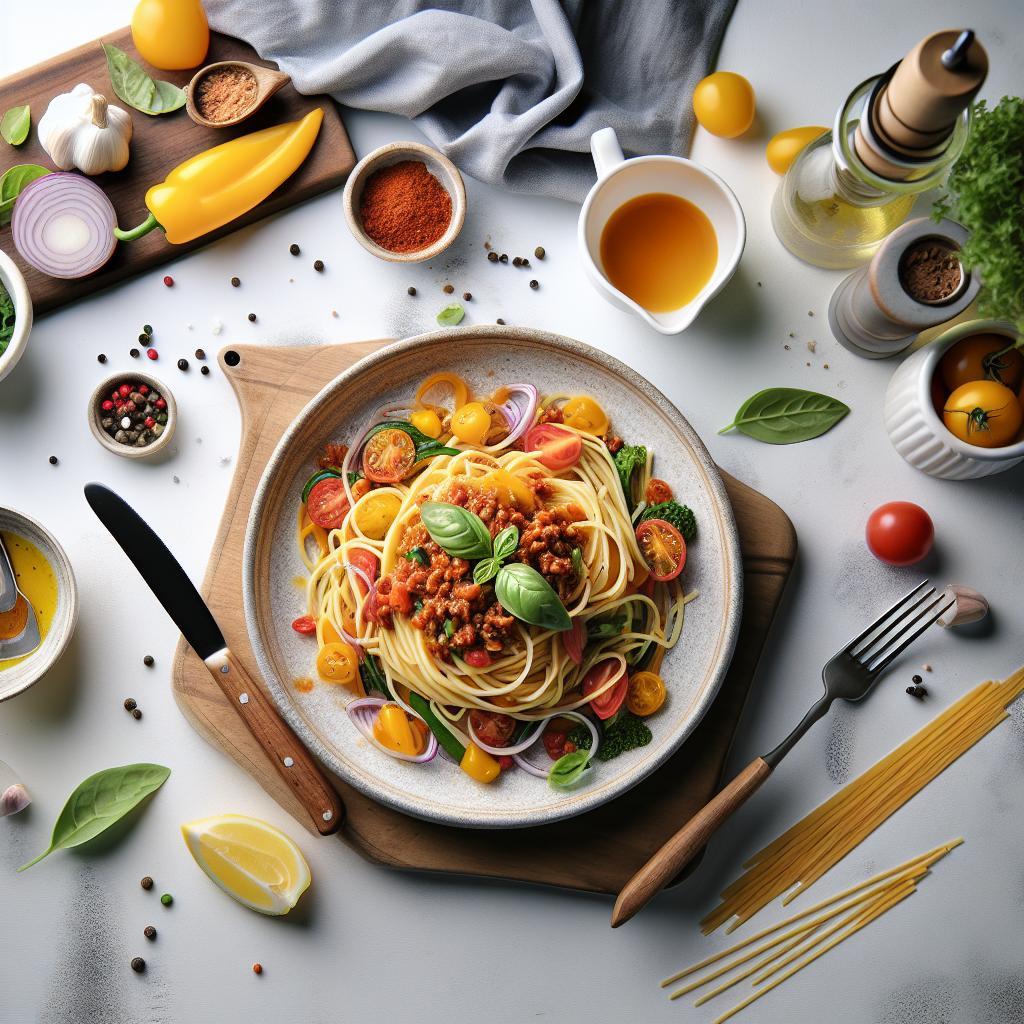
Present your Spaghetti Bolognese with a silky drizzle of extra virgin olive oil and a generous dusting of Parmigiano-Reggiano. A crisp green salad with a lemon vinaigrette or roasted seasonal vegetables complements the richness beautifully. Serve with rustic Italian bread to sop up the luscious sauce. Pair with a glass of Sangiovese or Chianti to complete the authentic Italian experience.
| Nutrient | Per Serving |
|---|---|
| Calories | 520 kcal |
| Protein | 35 g |
| Carbohydrates | 50 g |
| Fat | 18 g |

For more on traditional Italian sauces and pasta pairings, check out our Classic Italian Pasta Sauces guide. To deepen your understanding of authentic Italian culinary traditions, visit Accademia Italiana della Cucina.
Q&A
Q&A: Spaghetti Bolognese – Untold History & Secret Recipe Tips
Q1: Where did Spaghetti Bolognese really originate?
A: Despite its global fame as a quintessential Italian dish, the classic Spaghetti Bolognese actually has its roots in Bologna, Italy-but with a twist. Traditional Bolognese, or Ragù alla Bolognese, is typically served with tagliatelle, a flat ribbon pasta, rather than spaghetti. The meat sauce simmered for hours traces back to the 18th century, influenced by French ragouts and evolving under local Italian traditions. The pairing with spaghetti, beloved worldwide, is more of an international adaptation than a native Italian one.
Q2: What are the key ingredients that make an authentic Bolognese?
A: Authentic Bolognese relies on simple, quality ingredients that build layers of flavor: finely minced beef (sometimes combined with pork), soffritto (a aromatic mix of onion, celery, and carrot), pancetta for depth, a splash of dry white wine, tomato paste-not just canned tomatoes-and a touch of milk or cream to soften acidity. Slow cooking is essential, allowing the flavors to meld into a rich, velvety sauce.
Q3: Why is milk or cream added to the sauce?
A: The addition of milk or cream might surprise many, but it’s a traditional step that rounds out the acidity from the tomatoes and wine, creating a smooth, balanced finish. This dairy element also tenderizes the meat, contributing to the sauce’s luxurious texture and subtle sweetness.
Q4: What secret tips can elevate a homemade Spaghetti Bolognese?
A: Here are a few insider tricks:
- Use freshly ground meat instead of pre-packaged for better texture and flavor.
- Sweat the vegetables gently over low heat to coax out their sweetness without browning.
- Deglaze the pan with the wine just before adding tomatoes to capture all those caramelized bits.
- Cook the sauce low and slow-at least two hours, but even longer if you can-to develop complexity.
- Finish with a grating of Parmigiano-Reggiano and a drizzle of high-quality extra virgin olive oil for that irresistible umami kick.
Q5: Is spaghetti the best pasta to serve with Bolognese?
A: Traditionally, no. As mentioned earlier, tagliatelle or other broad, flat noodles are preferred because their wide surfaces hold the chunky meat sauce better. However, spaghetti remains wildly popular globally and certainly delicious. If you want authenticity, reach for tagliatelle, pappardelle, or even rigatoni for a hearty twist.
Q6: How has Spaghetti Bolognese evolved outside Italy?
A: Internationally, especially in Britain, Australia, and the US, Spaghetti Bolognese has become a comfort food staple, often simplified with ground beef, canned tomatoes, and synthetic seasoning blends. These adaptations prioritize convenience and bold flavor over tradition. Yet, this fusion has made the dish beloved, spurring many home cooks to rediscover and reinvent its authentic roots.
Q7: Can Bolognese be made vegetarian or vegan without losing its essence?
A: Absolutely! Modern chefs experiment with mushrooms, lentils, or textured vegetable protein to mimic the meaty depth. Key to success is replicating umami richness through ingredients like soy sauce, smoked paprika, miso, or sun-dried tomatoes, and maintaining the slow-cooked layering of flavors. While different from the classic, a well-executed vegetarian Bolognese holds its own and honors the spirit of the sauce.
Q8: What role does tradition play in cooking Bolognese today?
A: Tradition offers a roadmap-respecting the core ingredients and techniques passed down through generations-while inviting creativity. Bolognese is both a historical treasure and a living, evolving dish. Whether you follow an age-old recipe or adapt it to modern tastes and diets, the heart of Bolognese lies in patience, care, and that deeply satisfying harmony of flavors.
Insights and Conclusions
As the rich aroma of simmering tomatoes and minced meat lingers in your kitchen, remember that Spaghetti Bolognese is more than just a comforting dish-it’s a culinary story steeped in history and tradition. From its humble origins in Bologna to the secret tips that transform a simple sauce into a velvety masterpiece, this beloved classic invites us to explore both time and taste. So next time you twirl those noodles, savor not only the flavors but the untold legacy behind each bite. After all, every great recipe is a delicious conversation between past and present, waiting for you to add your own chapter.