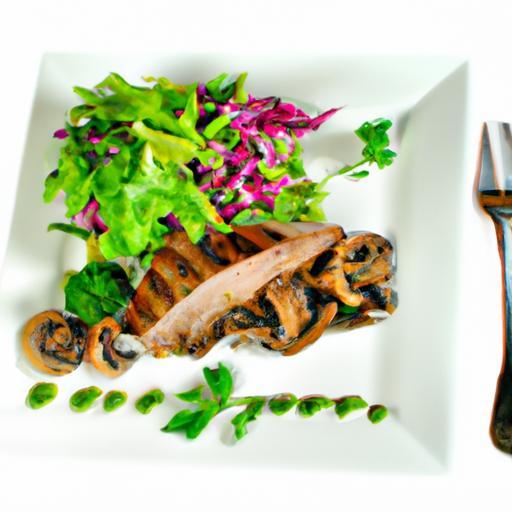

There’s an undeniable magic in a perfectly marinated dish-a symphony of flavors that dance on the palate and transform even the simplest ingredients into culinary masterpieces. Welcome to the world of marinades, where spices, herbs, acids, and oils unite in harmonious balance to unlock new dimensions of taste and texture. In this article, we’ll journey through the art and science of crafting flavorful marinades, revealing secrets to elevate your cooking from ordinary to unforgettable. Whether you’re grilling, roasting, or sautéing, mastering the marinade is your passport to a vibrant, mouthwatering experience every time you cook. Get ready to spice it up!
Spice It Up: Mastering the Art of a Flavorful Marinade
Spice It Up: Mastering the Art of a Flavorful Marinade transforms ordinary dishes into unforgettable culinary masterpieces. Unlocking the secrets of marinade absorption is like opening a portal to layers of complexity – where every ingredient harmonizes in a dance of aromas and tastes. As a seasoned culinary content creator, I’ve seen firsthand how delicate balance and bold creativity in spices can elevate proteins beyond expectations.
Prep and Cook Time
- Prep Time: 15 minutes
- Marinating Time: 30 minutes to 24 hours (depending on protein)
- Cook Time: 20-30 minutes
Yield
Serves 4 generous servings
Difficulty Level
Medium – perfect for adventurous home cooks seeking to refine their flavor skills
Ingredients
- 1/4 cup olive oil, extra virgin for depth and richness
- 3 tablespoons soy sauce, low sodium for balanced saltiness
- 2 tablespoons fresh lemon juice, for bright acidity
- 1 tablespoon honey, to add a subtle sweetness and caramelization
- 4 garlic cloves, minced, injecting pungent freshness
- 2 teaspoons smoked paprika, offering smoky warmth and vibrant color
- 1 teaspoon ground cumin, bringing earthy depth and subtle heat
- 1 teaspoon freshly ground black pepper for sharp spice
- 1 teaspoon dried oregano to infuse herbaceous notes
- 1/2 teaspoon red pepper flakes, optional for bold heat
- 1/2 cup plain yogurt (for tenderizing tougher cuts; optional)
Instructions
- Combine the wet ingredients: In a medium bowl, whisk together olive oil, soy sauce, lemon juice, and honey until the honey dissolves into a smooth emulsion.
- Add aromatics and spices: Stir in the minced garlic, smoked paprika, ground cumin, black pepper, oregano, and, if using, red pepper flakes. These spices will layer flavor complexity and ensure a bold, memorable taste.
- Adjust for protein and texture: For tougher meats such as lamb or beef, gently fold in plain yogurt to aid tenderization. For delicate proteins like fish or chicken, omit yogurt to prevent overly breaking down the texture.
- Marinate with purpose: Coat your choice of protein thoroughly with the marinade, massaging the mixture to ensure deep absorption. For thin cuts, 30 minutes suffices; for robust textures, aim for at least 4 hours or overnight in the refrigerator. Cover and chill to prevent spoilage.
- Cook to perfection: Remove excess marinade before cooking to avoid flare-ups on the grill or excessive moisture in the pan. Cook as desired-grill, roast, or pan-sear-until the internal temperature reaches safe doneness.
- Rest and serve: Let the cooked protein rest briefly to redistribute juices and flavors. A final wedge of lemon and sprinkle of fresh herbs like cilantro or parsley will brighten the presentation and amplify aroma.
Chef’s Notes: Practical Tips for Marinating Excellence
- Ingredient quality matters: Fresh spices and citrus juices deliver cleaner, more vibrant flavors. Pre-ground spices can lose potency; consider toasting whole spices and grinding them fresh for an aroma boost.
- Balance your acid: Too much lemon or vinegar can “cook” the protein or make it mushy. Maintain balance with honey or oil to protect texture.
- Marinating times depend on protein: Fish and seafood need no more than 30 minutes to absorb flavor; poultry benefits from 2-4 hours; beef and lamb grow best with longer marination, from 6 to 24 hours.
- Freeze as you marinade: Marinating in a sealed bag makes flavor infusion efficient and cleanup easier. Freeze the marinating protein for tenderization and preservation when prepping ahead.
- Don’t reuse marinade untouched: Set aside reserved marinade before adding raw protein, or boil marinade if you intend to use it as a sauce to ensure food safety.
Serving Suggestions
This marinade beautifully complements grilled chicken thighs, pan-seared salmon, or roasted lamb chops. Serve your protein over a bed of fluffy couscous or jasmine rice, garnished with chopped fresh herbs like cilantro and parsley for a fresh burst of color and scent. For added texture, sprinkle toasted pine nuts or slivered almonds. Accompany the dish with grilled vegetables, such as bell peppers and zucchini, that soak in leftover marinade drippings for a harmonious feast.

Nutritional Information (Per Serving)
| Calories | Protein | Carbs | Fat |
|---|---|---|---|
| 280 kcal | 25 g | 6 g | 15 g |
For those craving even more marinade inspiration, explore our detailed Ultimate Spice Blends Guide to craft personalized flavor profiles. To understand more about how marinades influence meat texture scientifically, visit ScienceDaily’s explanation on marinade chemistry.
Q&A
Q&A: Spice It Up – Mastering the Art of a Flavorful Marinade
Q1: Why is marinating important in cooking?
A: Marinating is the secret handshake between flavor and texture. It infuses your ingredients-meats, vegetables, tofu-with a symphony of tastes while tenderizing them for a juicy, mouthwatering bite. Think of it as the flavor’s love letter, soaking deeply into every fiber.
Q2: What are the essential components of a great marinade?
A: A masterful marinade balances four key players: acid, fat, seasoning, and aromatics. Acid (like vinegar, citrus, or wine) tenderizes and brightens. Fat (olive oil, sesame oil) carries flavor and keeps moisture locked in. Seasonings (salt, pepper, spices) build depth, and aromatics (garlic, herbs, ginger) add personality and zest.
Q3: How long should I marinate different types of foods?
A: The magic timing depends on your ingredient’s toughness. Delicate proteins like fish and shellfish only need 15-30 minutes; too long and the acid cooks them prematurely. Chicken and pork benefit from 2-6 hours. Beef and game, being heartier, can soak overnight for maximum flavor payoff.
Q4: Can I reuse marinade as a sauce?
A: Absolutely, but with caution! If you’ve marinated raw meat, bring that marinade to a rolling boil to kill any lurking bacteria before using it as a sauce. Alternatively, reserve some marinade before it touches raw meat to use later as a fresh dipping sauce.
Q5: How can I tailor my marinade for international flavors?
A: Dive into global spice markets! Want bold and bright? Try a zesty citrus-soy-ginger marinade inspired by Asian cuisine. Craving smoky and hearty? Smoked paprika, cumin, and chipotle bring a Mexican flair. For Mediterranean vibes, olive oil, oregano, lemon zest, and garlic are your best friends.
Q6: Any tips for making a quick marinade on the fly?
A: When time is tight, keep it simple but powerful. A splash of vinegar or lemon juice, a drizzle of good oil, a pinch of salt and pepper, and an aromatic touch like crushed garlic or fresh herbs can transform your dish in mere minutes.
Q7: How do I ensure my marinade penetrates deeply?
A: To coax flavors inside, score thicker cuts of meat with shallow slashes or use a fork to prick the surface. Marinate in a sealed bag or container to keep every drop clinging lovingly. Patience is a virtue – even short rests help flavors seep in more effectively than a hurried toss.
Mastering marinades is an art and a science that turns ordinary dishes into unforgettable feasts. With these insights, you’re ready to experiment boldly and create flavor explosions that dance on the palate. So go ahead-spice it up!
In Retrospect
As the final grains of salt settle and the last splash of oil seeps deep into your chosen ingredients, remember: mastering the art of a flavorful marinade is more than just a kitchen skill-it’s a passport to a world of vibrant tastes and culinary adventures. Each blend of herbs, spices, acids, and oils tells a story, inviting you to explore new cultures and elevate everyday meals into memorable feasts. So, don’t be afraid to experiment, adjust, and savor the alchemy of flavor. With your marinades perfected, every bite becomes a celebration of creativity and taste. Now, go forth and spice it up!