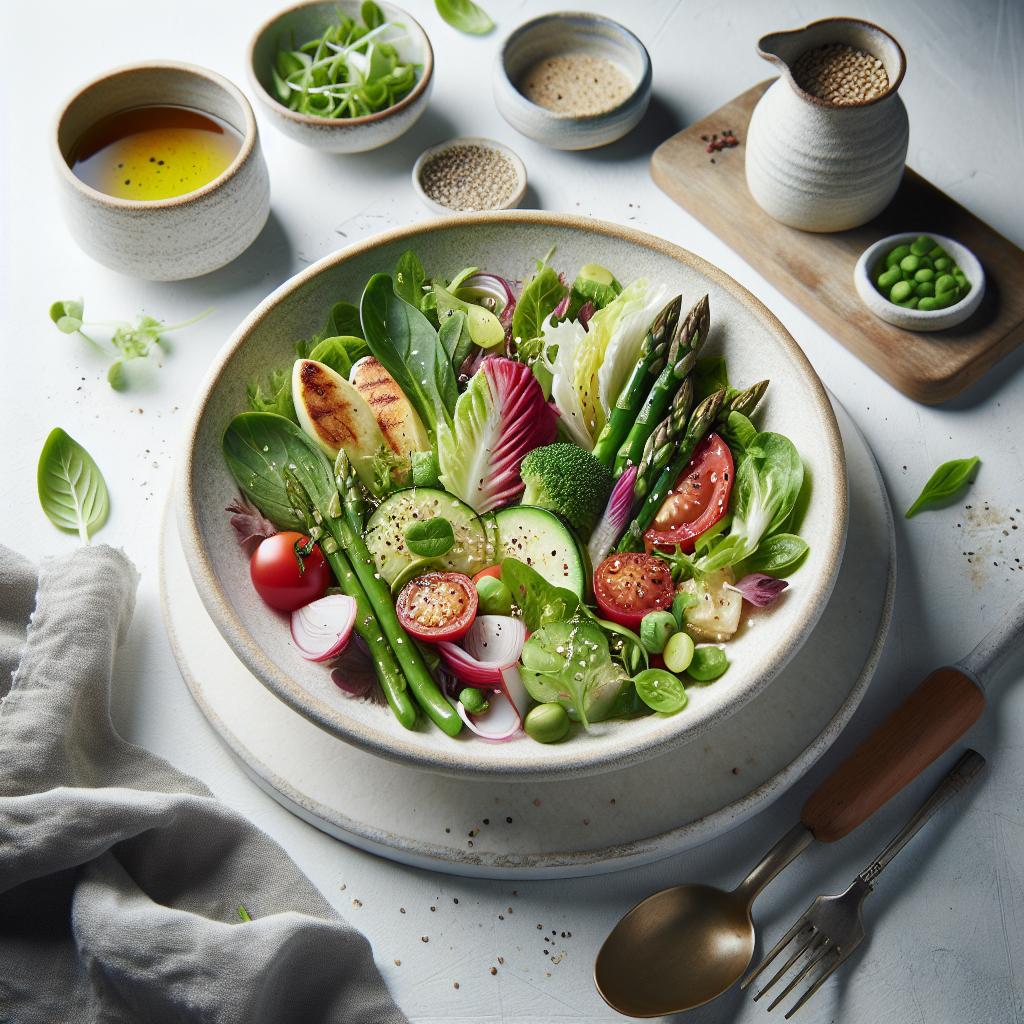
As the world awakens from winter’s slumber and blooms burst forth in vivid color, our plates crave a lighter, brighter touch. Spring is the season of renewal-not only for gardens and wardrobes but for our culinary choices as well. “Spring Fresh: Crafting Light Yet Satisfying Meals with Ease” invites you to embrace this vibrant season with dishes that celebrate freshness without sacrificing flavor or satisfaction. Whether you’re a busy home cook or an adventurous foodie, discover how to transform everyday ingredients into effortless meals that refresh your body and delight your palate. Say goodbye to heavy winter fare and say hello to a springtime feast that’s as invigorating as the season itself.
Embracing Seasonal Ingredients for Vibrant Flavors
Spring Fresh: Crafting Light Yet Satisfying Meals with Ease invites you to experience the harmony between nature’s bounty and effortless cooking. This recipe celebrates crisp asparagus, tender peas, and fragrant herbs-spring’s freshest gifts-combined with quick techniques that preserve their vibrant color, texture, and flavor. By choosing peak-season produce, we not only enliven every bite but also support sustainable eating and maximize nutritional benefits.
Prep and Cook Time
- Preparation: 15 minutes
- Cooking: 15 minutes
- Total: 30 minutes
Yield
- Serves 4
Difficulty Level
- Easy
Ingredients
- 1 bunch asparagus, trimmed and cut into 2-inch pieces
- 1 cup fresh peas, shelled
- 1 small shallot, finely chopped
- 2 cloves garlic, thinly sliced
- 2 tbsp extra-virgin olive oil
- 1/2 cup low-sodium vegetable broth
- 1 tsp lemon zest
- 2 tbsp fresh parsley, chopped
- 1 tbsp fresh mint, chopped
- Salt and freshly ground black pepper, to taste
- 1/4 cup crumbled feta cheese (optional)
Instructions
- Heat olive oil over medium heat in a large skillet. Add the chopped shallot and garlic, sautéing until fragrant and translucent, about 2-3 minutes. Be careful not to let the garlic brown to avoid bitterness.
- Add the asparagus pieces, stirring gently. Sauté for 4-5 minutes until asparagus turns bright green and begins to soften but still retains a slight crunch.
- Pour in the vegetable broth and cover the skillet. Allow the asparagus to steam for 3-4 minutes; this locks in moisture and enhances tenderness without overcooking.
- Stir in the fresh peas and cook uncovered for an additional 2 minutes, just until the peas are vibrant and tender.
- Remove the skillet from heat. Sprinkle lemon zest, chopped parsley, and mint over the vegetables. Season generously with salt and pepper to taste, mixing gently to combine the bright flavors.
- Optional: Crumble feta cheese on top for a creamy, tangy contrast that balances the lightness with satisfying richness.
Tips for Success
- Seasonal swaps: Swap asparagus and peas with baby zucchini or tender green beans for variety while staying true to fresh spring produce.
- Make it a meal: Serve over whole grain couscous, quinoa, or lightly toasted sourdough bread to add wholesome satiety.
- Advance prep: Trim and chop vegetables a day ahead and store in an airtight container in the fridge to save time.
- Cooking technique: Avoid overcooking to keep vegetables crisp and colorful. Steaming in broth is key for flavor and nutrients.
- Herb freshness: Use fresh herbs for the brightest flavor; dried substitutes won’t provide the same aromatic lift.
Serving Suggestions
Plate this spring vegetable sauté in shallow bowls for a fresh presentation. Garnish with additional chopped herbs and a light drizzle of olive oil or a squeeze of fresh lemon juice to enhance brightness. Paired with a chilled glass of white wine or sparkling water infused with cucumber and mint, it transforms any meal into a delightfully light yet satisfying experience.

| Nutrient | Per Serving |
|---|---|
| Calories | 150 kcal |
| Protein | 5 g |
| Carbohydrates | 12 g |
| Fat | 9 g |
For more springtime inspiration, explore our Spring Harvest Salads, which highlight additional fresh ingredients perfect for quick, nutritious meals. To deepen your understanding of seasonal cooking’s health benefits, visit the Harvard T.H. Chan School of Public Health.
Q&A
Q&A: Spring Fresh – Crafting Light Yet Satisfying Meals with Ease
Q1: What does “Spring Fresh” mean in the context of cooking?
A1: “Spring Fresh” captures the vibrant essence of the season – bright flavors, fresh ingredients, and dishes that feel rejuvenating yet nourishing. It’s about embracing nature’s bounty with colorful vegetables, tender herbs, and light proteins that awaken your palate without weighing you down.
Q2: How can I create meals that are both light and satisfying?
A2: The secret lies in balance. Combine fresh, crisp vegetables with wholesome grains, lean proteins, and a touch of healthy fats. Think bright salads paired with quinoa, zesty citrus dressings, or grilled chicken with a sprinkle of fresh herbs. The goal is to delight your senses and sustain your energy without heaviness.
Q3: What are some must-have ingredients for easy spring meals?
A3: Stock your kitchen with seasonal stars like asparagus, peas, radishes, baby spinach, and spring onions. Fresh herbs like mint, tarragon, and chives add flair. Don’t forget pantry staples like olive oil, lemon, garlic, and nuts for texture and depth.
Q4: How do I keep meal prep simple while embracing freshness?
A4: Embrace no-fuss techniques: quick roasting, vibrant salads, or one-pan sautés. Prep veggies ahead, mix dressings in advance, and let flavors marry in the fridge. Minimal cooking means more time enjoying your creations and the outdoors.
Q5: Can these meals cater to different dietary preferences?
A5: Absolutely! Spring’s bounty is incredibly versatile. Vegetarians can enjoy grain bowls with roasted veggies and tahini drizzle; pescatarians might relish lemony grilled fish atop spring greens; meat lovers can savor lean cuts paired with bright salsas. Adjust portions and protein sources to suit your lifestyle.
Q6: What’s a simple yet impressive starter for a spring lunch?
A6: Try a chilled cucumber and dill soup garnished with a swirl of yogurt – it’s refreshingly light, visually appealing, and quick to make. This starter wakes up the senses and sets the stage for the meal to come.
Q7: How can I bring seasonal colors to my plate?
A7: Play with nature’s palette! Combine ruby radishes, emerald peas, golden beets, and vibrant herbs. Use colorful bowls or plates to enhance presentation, and don’t shy from layering textures – crisp, creamy, crunchy – to create a springtime feast for both eyes and palate.
Q8: What’s the biggest benefit of crafting spring fresh meals?
A8: Beyond nourishing the body, these meals revitalize your connection to the season, encourage mindful eating, and celebrate nature’s renewal. They’re a joyful way to boost your wellbeing with ease and elegance, reminding us that light can also be fulfilling.
Closing Remarks
As the seasons shift and the garden awakens, so too can your kitchen with the vibrant, light meals that celebrate spring’s freshest offerings. Crafting dishes that are both gentle on the palate and fulfilling doesn’t require complexity-just a mindful embrace of nature’s bounty and a splash of creativity. Whether it’s a crisp salad bursting with herbs or a delicate soup infused with seasonal veggies, these meals invite you to savor wellness without sacrificing satisfaction. So, this spring, let your culinary creations mirror the season’s effortless charm, nourishing your body and delighting your senses with each fresh, flavorful bite.