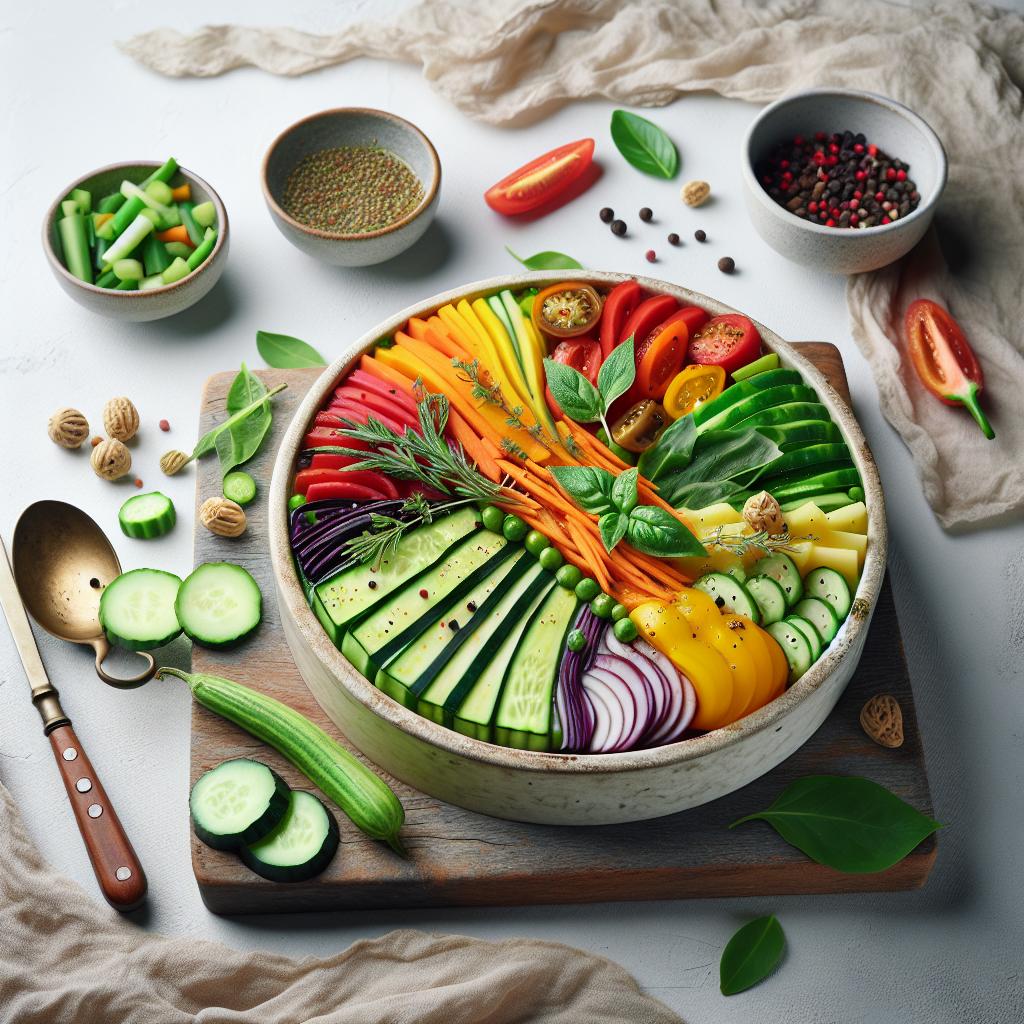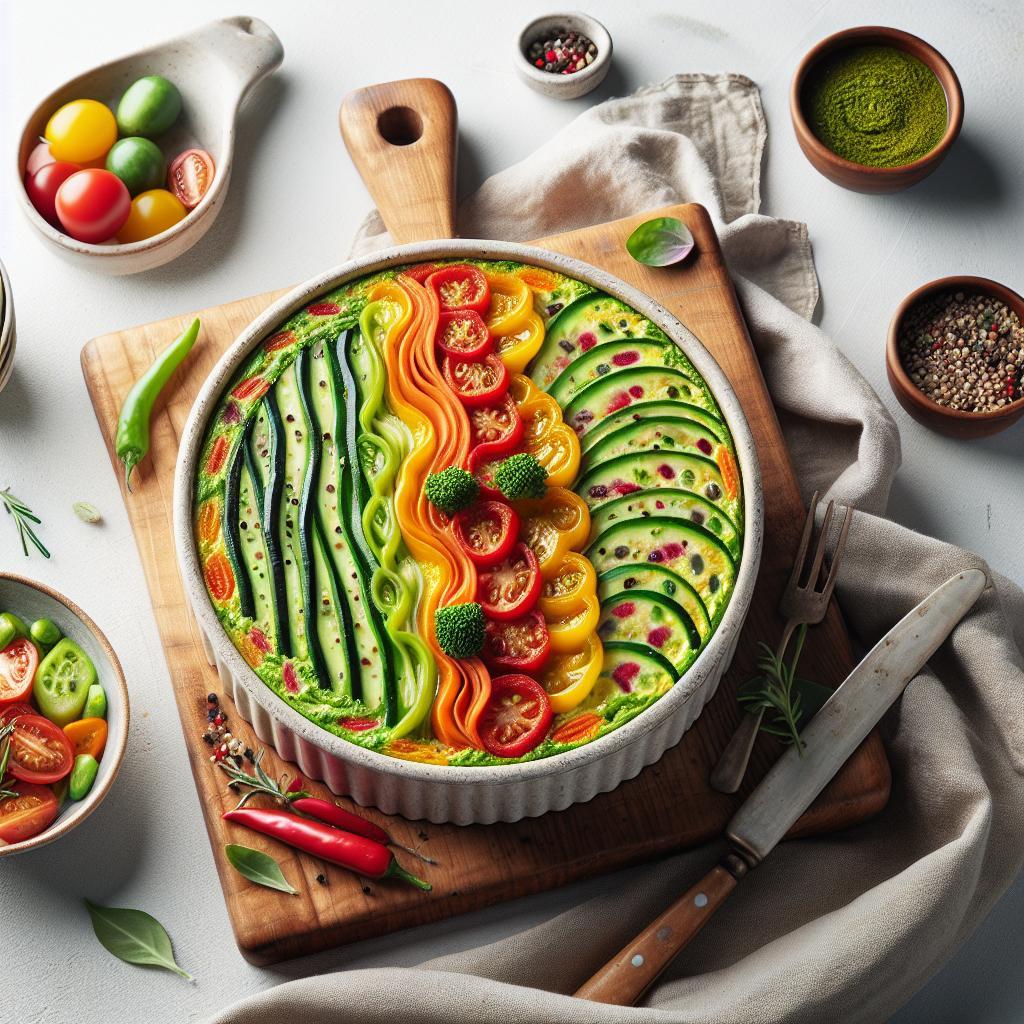

As the earth awakens from its winter slumber, gardens burst forth with a vibrant palette of fresh vegetables, each brimming with the promise of spring’s bounty. Embracing the season’s vivid colors and crisp flavors, the vegetable terrine emerges as a culinary masterpiece-an artful mosaic of nature’s finest produce, carefully layered to delight both the eye and the palate. In this article, we invite you to explore the secrets of crafting a vibrant vegetable terrine, where technique meets creativity to transform humble garden harvests into a stunning centerpiece worthy of any spring table. Whether a seasoned cook or an adventurous novice, you’ll discover how to celebrate spring’s abundance with every colorful slice.
Spring Harvest: Crafting a Vibrant Vegetable Terrine brings forth the freshest colors and flavors of the season, transforming simple garden bounty into an artful centerpiece. This dish, inspired by French culinary tradition, celebrates the natural sweetness and crisp textures of early spring vegetables, layered elegantly to create a stunning mosaic of taste and visual delight. As you slice through the chilled terrine, each vibrant layer unveils a fresh and earthy story, making it perfect for festive tables or light celebrations.
Prep and Cook Time
Preparation: 30 minutes | Cooking: 20 minutes + Setting time: 6 hours (preferably overnight)
Yield
Serves 6-8 as an elegant appetizer or light entrée
Difficulty Level
Medium – requires attention to detail in layering and setting
Ingredients
- 2 medium carrots, thinly sliced on a mandoline
- 1 small zucchini, thinly sliced lengthwise
- 1 red bell pepper, roasted, peeled, and sliced into strips
- 6 asparagus spears, blanched and trimmed
- 1 cup frozen peas, thawed
- 200g cream cheese, softened
- 100g Greek yogurt
- 2 tablespoons fresh chives, finely chopped
- 1 tablespoon lemon juice
- 1 teaspoon sea salt
- ½ teaspoon freshly ground black pepper
- 2 tablespoons unflavored gelatin powder
- ½ cup vegetable broth, warm
- Fresh herbs for garnish (tarragon, dill, or parsley)
Instructions
- Prepare the gelatin: Sprinkle gelatin powder over warm vegetable broth and stir until fully dissolved. Set aside to cool slightly.
- Cook and prepare vegetables: Blanch asparagus spears until tender-crisp (about 2 minutes), rinse under cold water, and drain. Briefly sauté peas in a splash of olive oil to brighten color, then cool. Roast red bell pepper under a broiler until blackened, peel and slice. Thinly slice zucchini and carrots lengthwise or into rounds, then quickly steam or blanch until just tender, preserving vibrant color.
- Make the creamy base: In a bowl, whisk together softened cream cheese, Greek yogurt, lemon juice, chopped chives, salt, and pepper. Gradually add the cooled gelatin mixture, stirring gently to combine.
- Line the mold: Select a rectangular terrine mold or loaf pan. Line it with plastic wrap, leaving extra overhang for easy removal. Start with a layer of zucchini slices pressed gently against the bottom and sides, overlapping slightly to create a colorful shell.
- Layer the vegetables and cream: Spread a thin layer of the cream mixture over the zucchini. Add a row of carrots, cover again with cream. Continue layering alternating vegetables – roasted red pepper strips, peas, asparagus – pressing carefully so each layer stays intact and vivid. Finish with a final layer of zucchini to seal all inside.
- Set the terrine: Fold plastic wrap over the top, press lightly to compact, and place a weight on top to ensure firm layering. Refrigerate for at least 6 hours or overnight until fully set and easy to slice.
- Unmold and slice: Remove terrine from fridge, unwrap carefully, and invert onto a serving platter. Use a sharp serrated knife to cut clean slices. Serve chilled or at room temperature, garnished with fresh herbs for a fragrant finish.
Tips for Success
- Choose vibrant, fresh spring vegetables: Their natural color and texture will make each layer pop, creating an inviting palette of edible art.
- Use a mandoline slicer: For even, thin vegetable slices that set beautifully and slice easily.
- Don’t overcook vegetables: Blanch or steam just until tender-crisp to preserve texture and color.
- Gentle folding when adding gelatin: Stir slowly to avoid bubbles which can break the smooth set.
- Make ahead: The terrine benefits from resting overnight, allowing flavors to meld and the gelatin to fully stabilize.
Serving Suggestions for Spring Celebrations
Slice your terrine into neat rectangles and arrange on chilled plates. Serve alongside crusty artisan bread or lightly toasted baguette slices for a satisfying crunch. A drizzle of high-quality extra virgin olive oil or a bright herb vinaigrette complements the creamy layers beautifully.
Freshly picked microgreens, edible flowers, or a sprinkle of toasted pine nuts add elegance and texture contrast, perfect for impressing guests at brunches or garden parties. Pair with a crisp Sauvignon Blanc or a delicate rosé to highlight the terrine’s fresh and floral notes.
| Nutrient | Per Serving |
|---|---|
| Calories | 180 |
| Protein | 7g |
| Carbohydrates | 15g |
| Fat | 9g |
Explore more Spring vegetable recipes for delicious, seasonal inspiration. For detailed botanical benefits of these seasonal vegetables, visit Harvest to Table.

Q&A
Q&A: Spring Harvest – Crafting a Vibrant Vegetable Terrine Recipe
Q1: What makes a vegetable terrine an ideal dish for spring?
A1: A vegetable terrine is the perfect celebration of spring’s bounty! It showcases fresh, crisp vegetables in layered elegance, bringing vibrancy and lightness to your table. The season’s tender asparagus, peas, radishes, and baby carrots burst with flavor and color, making your terrine not just a dish, but a centerpiece of spring’s renewal.
Q2: Which vegetables work best in a spring vegetable terrine?
A2: Think of a rainbow on your plate! Asparagus, zucchini, leeks, carrots, radishes, snap peas, and baby beets all shine brightly in this recipe. Their textures and hues create stunning layers that delight the eyes and palate alike. Choose young, tender vegetables that will hold their shape and fresh flavors when set in gelatin or a light agar.
Q3: How do you prepare the vegetables to maintain that vibrant crunch and color?
A3: Blanching is key! Gently boil vegetables just until tender-crisp, then plunge them immediately into ice water to halt cooking. This technique locks in vivid color and snap, ensuring your terrine layers stay attractive and lively. Avoid overcooking-each veggie should have a slight bite that contrasts beautifully against the creamy binding or gelatin.
Q4: What’s the secret to a perfectly set terrine?
A4: Balance your binding agent-be it gelatin, agar-agar, or a delicate vegetable aspic-with a flavorful liquid like vegetable stock, fresh herb broth, or even a splash of white wine. Heat it gently, dissolve thoroughly, and mix with pureed or cream-based components before layering. Cool the terrine slowly in the fridge overnight for a firm yet tender slice that holds all the vibrant layers together.
Q5: Can this recipe be adapted for dietary preferences or restrictions?
A5: Absolutely! For vegan or vegetarian options, agar-agar replaces gelatin seamlessly. Use plant-based creams or purées for richness. Gluten-free? No worries-this naturally relies on veggies and gelatin, so it’s already safe. Customize herbs and seasonings to suit your palate, making this terrine wonderfully versatile.
Q6: How can I serve and garnish my spring vegetable terrine for a stunning presentation?
A6: Slice your terrine with a warm, sharp knife for clean layers. Serve chilled on a minimalist white platter or rustic wooden board for contrast. Garnish with fresh garden herbs like tarragon, chervil, or microgreens, and drizzle a bright vinaigrette or lemon-infused olive oil to add shine and zest. Accompany with crusty bread or a crisp salad for a complete springtime feast.
Q7: What is the story or inspiration behind crafting this spring vegetable terrine?
A7: The inspiration blossoms from delicate spring days when the garden awakens and colors explode from the earth. This terrine captures the essence of that renewal-a mosaic of nature’s freshest gifts transformed with gentle technique into a dish as refreshing as a spring breeze. It’s culinary storytelling in vibrant layers, inviting us to savor seasonal beauty one bite at a time.
Wrapping Up
As the vibrant hues of spring unfurl in your garden and on your plate, crafting a vegetable terrine becomes more than just a recipe-it’s a celebration of the season’s freshest bounty. Each layer tells a story of crisp asparagus, tender peas, and radiant bell peppers, woven together into a mosaic of flavor and color. This spring harvest terrine invites you to savor the essence of renewal, nourishing both body and soul with every bite. So next time you gather your garden’s gifts, remember: the art of layering vegetables isn’t just culinary-it’s a vibrant homage to the joyful abundance of spring.