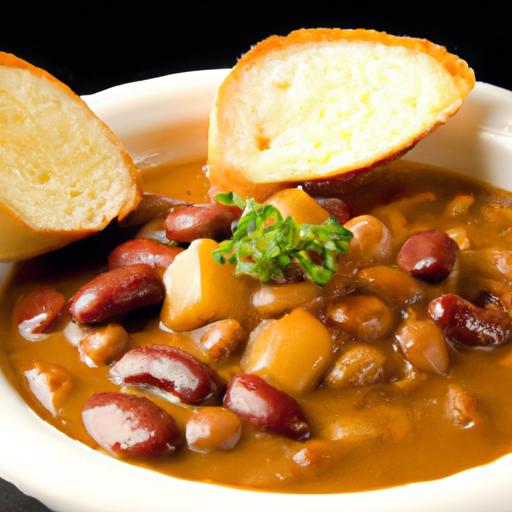

When it comes to perfecting a hearty soup, the secret often lies not just in the ingredients but in how you bring it all together-the thickness, the texture, the mouthfeel that transforms a simple bowl into a comforting masterpiece. In the thickening arena, three contenders stand ready to elevate your soup from thin to luscious: the classic roux, the trusty slurry, and the humble bean. Each packs its own unique punch, offering distinct flavors, textures, and culinary traditions. So, which thickening champion will win your kitchen showdown? Let’s dive into the science and art behind these three thickening techniques to discover their strengths, subtle nuances, and best uses. Your next spoonful is about to get a whole lot richer.
Thickening Showdown: Roux, Slurry, or Beans for Soup?
When crafting the perfect bowl of soup, texture and flavor are paramount, and knowing the right thickening technique can transform an ordinary blend into a captivating culinary experience. Thickening Showdown: Roux, Slurry, or Beans for Soup? unravels the secrets behind these powerhouse methods, empowering you to master creamy textures, instant velvety finishes, or nutritional heartiness with ease.
Prep and Cook Time
- Preparation: 15 minutes
- Cooking: 30-40 minutes (varies with method)
- Total Time: Approximately 45-55 minutes
Yield
- Serves 6 generous bowls
Difficulty Level
- Medium
Ingredients
- For Roux Thickening:
- ¼ cup unsalted butter
- ¼ cup all-purpose flour, sifted
- 4 cups chicken or vegetable broth
- For Slurry Thickening:
- 2 tablespoons cornstarch
- ¼ cup cold water
- For Beans Thickening:
- 1 ½ cups cooked white beans (cannellini or navy), mashed
- 2 cups vegetable broth
- Common Soup Ingredients:
- 1 medium onion, diced
- 2 cloves garlic, minced
- 2 medium carrots, diced
- 2 stalks celery, diced
- 1 tablespoon olive oil
- Salt and freshly ground black pepper, to taste
- Fresh herbs (thyme or parsley), optional for garnish
Instructions
- Sauté the Aromatics: Heat olive oil in a large pot over medium heat. Add the onion, carrot, and celery. Cook until softened and fragrant, about 7 minutes. Add garlic and sauté 1 more minute.
- Prepare Roux (if using): In a separate small pan, melt butter on medium. Add flour and whisk constantly to form a golden paste. Cook for 3-5 minutes until lightly toasted but not brown.
- Combine Liquids: For roux, slowly whisk in the broth into the roux until smooth and thickened, then add to the sautéed vegetables. For beans, stir in the vegetable broth directly with vegetables. For slurry, set broth aside, to be thickened later.
- Simmer Soup Base: Let the soup base gently simmer for 15-20 minutes, allowing flavors to meld and vegetables to soften to your liking.
- Thicken with Slurry (if using): Mix cornstarch in cold water until fully dissolved. Slowly pour into simmering soup while stirring continuously. Continue cooking 3-5 minutes to thicken.
- Beans Thickening: If using beans, mash them until smooth (using a blender or potato masher), then fold into the simmering soup to impart creaminess and body.
- Adjust Seasoning: Taste and season with salt and pepper. For extra silky texture, puree a portion of the soup with an immersion blender.
- Garnish and Serve: Ladle into bowls, sprinkle with fresh herbs, and enjoy an irresistibly thick, flavorful soup.
Tips for Success
- Roux Crafting: Patience pays off. Stir constantly to avoid burning and achieve that perfect nutty aroma essential for creamy soups.
- Slurry Secrets: Always mix cornstarch with cold water before adding to hot liquid to prevent lumps.
- Beans Solution: Use canned beans for convenience, but rinse thoroughly to reduce sodium. For a lighter option, use peeled yellow peas or lentils.
- Make-Ahead: Soups thicken further when chilled. Reheat gently with extra broth to restore desired consistency.
- Flavor Boost: Add a splash of cream or a squeeze of fresh lemon just before serving to brighten flavors.
Serving Suggestions
Serve your thickened soup steaming hot with a crusty artisan bread or warm garlic focaccia. A drizzle of truffle oil or a sprinkle of aged Parmesan can elevate the experience. For a fresh crunch, scatter microgreens or toasted pumpkin seeds on top. Pair with a crisp white wine or herbal iced tea to complete the meal.

| Thickening Method | Calories (per serving) | Protein (g) | Carbs (g) | Fat (g) |
|---|---|---|---|---|
| Roux | 180 | 4 | 15 | 10 |
| Slurry | 160 | 3 | 18 | 5 |
| Beans | 220 | 12 | 25 | 2 |
For more on perfect soup techniques, check out our guide to creamy soup bases. Discover the science behind starches and thickeners through Science Daily’s food chemistry insights.
Q&A
Q&A: Thickening Showdown – Roux, Slurry, or Beans for Soup?
Q1: What exactly does “thickening” mean when it comes to soup?
A: Think of thickening as giving your soup a cozy sweater on a chilly day. It’s about increasing the body and texture so your soup isn’t just a watery broth but a rich, satisfying experience that clings lovingly to your spoon.
Q2: Why consider different thickening agents instead of just one?
A: Each thickening agent is like a different musical instrument. Roux brings a deep, toasty flavor and smooth texture; slurry offers a quick and versatile fluffiness; beans add creaminess plus a nutritional punch. Choosing one depends on your soup’s personality and your culinary mood.
Q3: What is a roux, and how does it work its magic?
A: A roux is a classic combo of fat (usually butter) and flour, cooked together until they form a fragrant paste. This duo thickens by coating starch molecules, swelling when the soup liquid hits, creating a velvety, luscious texture with a subtle nutty flavor. Perfect for hearty chowders and bisques.
Q4: How does a slurry differ from a roux?
A: A slurry is a quick mix of cold water and starch-cornstarch or arrowroot-stirred and whisked right into bubbling soup. It thickens faster than roux but lacks that cooked flavor. Great for last-minute thickening when you want clarity and shine in your broth without extra richness.
Q5: Can beans really be used as a thickener, and what perks do they bring?
A: Absolutely! Pureed beans not only thicken but also infuse your soup with protein, fiber, and an earthy creaminess. Unlike starches, beans add body without heaviness or floury taste, transforming vegetable soups into hearty meals fit for winter’s chill or post-workout fuel.
Q6: Which thickening method is easiest for beginners?
A: Slurry wins the beginner’s badge-it’s straightforward, quick, and forgiving. Just remember to mix starch well with cold water before adding to hot soup to avoid lumps-a small trick that makes a big difference!
Q7: Are there any dietary considerations when choosing a thickener?
A: Definitely! Roux contains gluten (unless using gluten-free flour) and fat, slurry options can be gluten-free if made with cornstarch or arrowroot, while pureed beans are naturally gluten-free, vegan, and packed with nutrients. Your choice can support specific dietary needs or preferences.
Q8: Can you combine these thickening methods?
A: Culinary creativity welcomes combos! For example, start with a roux for base richness, then finish with a slurry for extra sheen. Or blend pureed beans into a broth thickened slightly with a roux for complex textures. Just balance so flavors and consistency stay harmonious.
Q9: What soups pair best with each thickener?
A: Think chowders, creamy bisques, and gravy-thick stews for roux. Slurry shines in clear Asian broths or delicate vegetable soups needing a gentle boost. Beans are superb in rustic lentil, black bean, or minestrone styles where heartiness reigns.
Q10: What’s the ultimate tip for perfect thickening every time?
A: Patience and testing are your soup’s best friends. Thickening doesn’t happen in an instant-add your thickener gradually, stir consistently, and simmer a bit to achieve that “just right” texture, turning every bowl into a warm hug from your kitchen.
In Retrospect
As our thickening showdown draws to a close, it’s clear that there’s no one-size-fits-all champion in the battle of roux, slurry, and beans. Each contender brings its own flair to the soup stage-roux with its rich, velvety depth; slurry with its quick and effortless embrace; and beans boasting hearty texture plus a nutritional bonus. The perfect thickener depends on your soup’s personality, your time in the kitchen, and the flavor story you want to tell. So, whether you whisk, stir, or simmer, remember that the magic of a well-thickened soup lies as much in your creativity as in your choice of thickener. Happy cooking-and may your ladle always bring comfort in every spoonful!