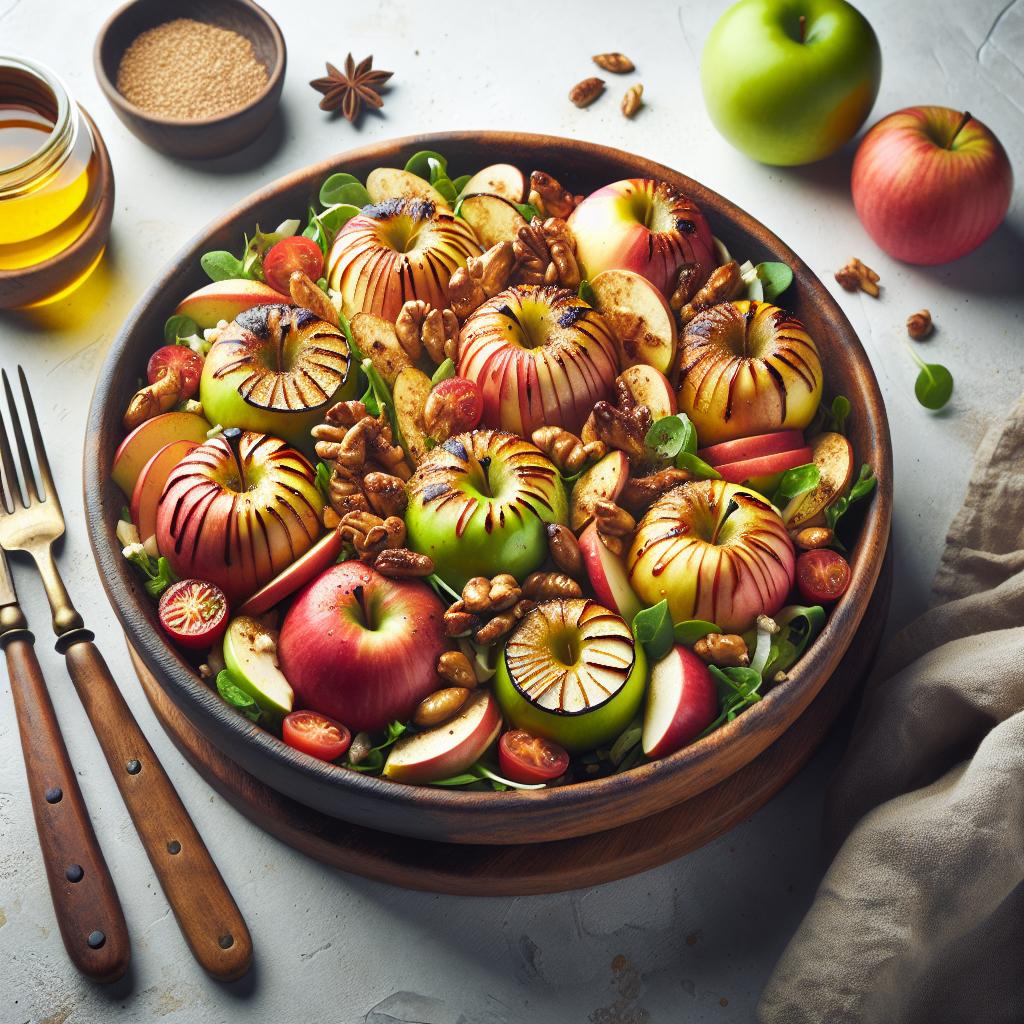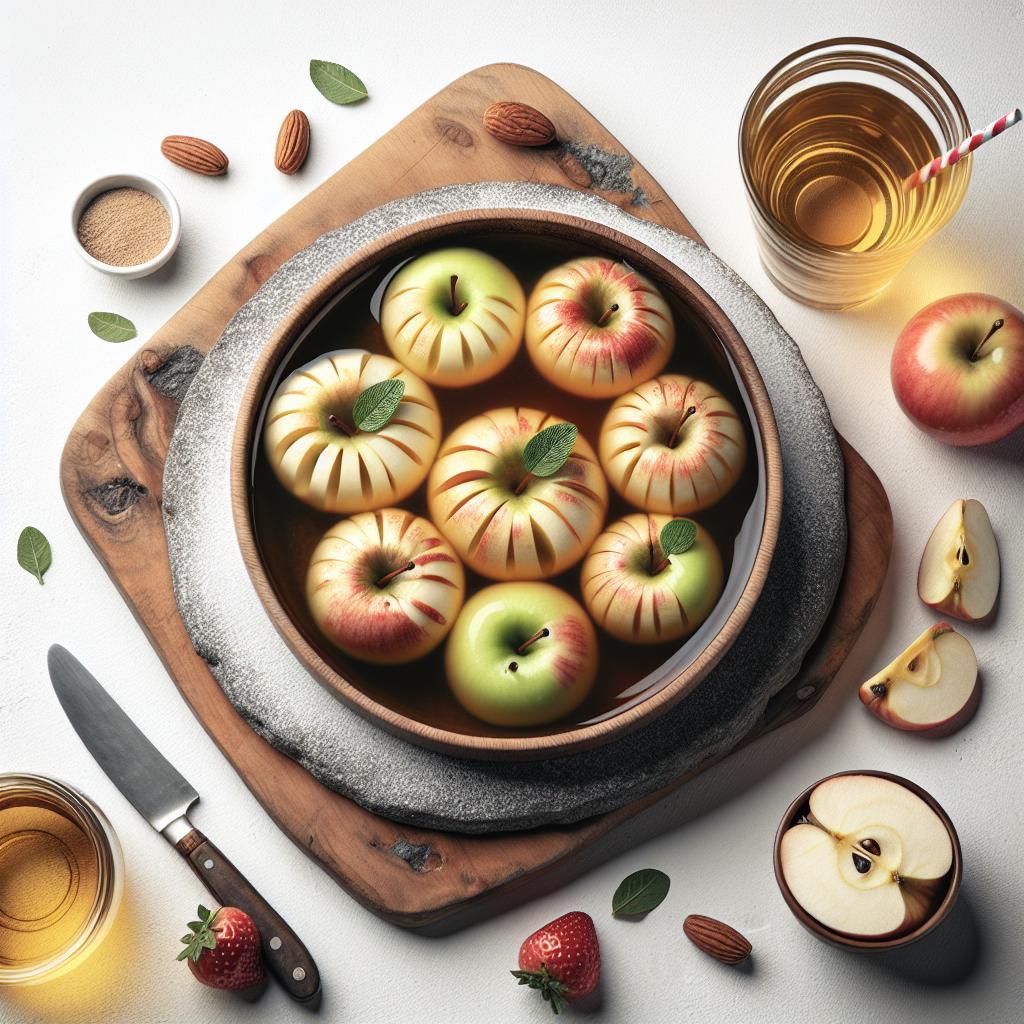

In the enchanted world of artisanal cider-making, where every sip tells a story of orchard and earth, an unexpected hero has emerged: the shrunken apple head. These tiny titans of taste transform humble apples into miniature masterpieces, encapsulating the essence of autumn’s bountiful harvest in a form as visually intriguing as it is flavorful. The art of crafting shrunken apple heads is more than a quirky tradition; it’s a delicate dance of dehydration, artistry, and patience that intensifies the fruit’s natural sugars and aromas, adding a complex depth to cider that captivates connoisseurs and casual drinkers alike. Join us as we delve into the fascinating process behind these pint-sized flavor powerhouses, uncovering how they elevate cider from a simple refreshment to an extraordinary sensory experience.
- The Science Behind Shrunken Apple Heads and Flavor Concentration
- Crafting Perfect Apple Heads: Selecting Varieties and Preparing for Shrinking
- Techniques to Preserve Aroma and Enhance Cider Complexity
- Pairing Shrunken Apple Heads with Cider Styles for Ultimate Taste Exploration
- Prep and Cook Time
- Yield
- Difficulty Level
- Ingredients
- Instructions
- Tips for Success
- Serving Suggestions
- Q&A
- The Conclusion
The Science Behind Shrunken Apple Heads and Flavor Concentration
Tiny Titans of Taste: The Art of Shrunken Apple Heads for Cider begins with understanding the fascinating transformation of apples into intensely flavored shriveled gems. This age-old technique artfully concentrates sugars, tartness, and aromatic oils by gently dehydrating the fruit, mimicking centuries-old cider traditions that coax every nuanced note from the apple’s flesh. The magic lies in slow moisture loss, which amplifies complexity and invites cider enthusiasts into an elevated sensory experience.
Crafting Perfect Apple Heads: Selecting Varieties and Preparing for Shrinking
Choosing the right apples is pivotal to creating vibrant shrunken apple heads. Opt for heritage cider apples or aromatic cooking varieties like Kingston Black, Gravenstein, or Cortland, prized for their rich flavor profiles and balanced acidity. Select fresh, unblemished fruit with firm skin to ensure the best texture retention.
Begin by rinsing the apples thoroughly under cold water, then carefully core each apple using a melon baller or paring knife-leaving the crown intact to maintain the iconic “head” shape post-shrinking. Lightly score the skin if desired to permit even dehydration without compromising the apple’s integrity.
Techniques to Preserve Aroma and Enhance Cider Complexity
To achieve the optimum concentration of flavor while preserving the delicate aromas, gently dry the apples in a low-temperature oven (around 135°F / 57°C) or use a dehydrator. This slow drying process, which can take 12 to 24 hours, intensifies natural sugars and volatile compounds that define the cider’s bouquet. Regularly rotate and flip the apples halfway through for uniform dehydration.
For advanced aficionados, curing the apple heads with a brief soak in a warm spiced syrup or a subtle misting of cinnamon and clove extracts before drying can impart subtle top notes, deepening the eventual cider complexity. Experimenting with these adjuncts unlocks a spectrum of layered tastes celebrated by status-seeking cider makers worldwide.
Pairing Shrunken Apple Heads with Cider Styles for Ultimate Taste Exploration
Once fully shrunken, these tiny titans beg to be paired thoughtfully. Their concentrated essence beautifully complements dry ciders with herbal or earthy undertones, as well as sweeter, fruit-forward styles amenable to contrasts in intensity. For an unforgettable tasting moment, float a single shrunken apple head in a glass of English-style bittersweet cider or a bright New England hard cider to accentuate complexity through delightful textural and aromatic interplay.
Alternatively, incorporate shriveled apples during the secondary fermentation to subtly infuse cider with depth, achieving a naturally enhanced mouthfeel and layered finish. Such innovative pairing and usage celebrate the art and science behind Tiny Titans of Taste while reinventing traditional cider elegance.
Prep and Cook Time
- Preparation Time: 20 minutes
- Dehydration Time: 12-24 hours (depending on method)
Yield
Yields approximately 10-12 shrunken apple heads (depending on size)
Difficulty Level
Medium – requires attention to dehydration technique and timing
Ingredients
- 10-12 small to medium apples (preferably Kingston Black, Gravenstein, or Cortland)
- Optional: 2 cups warm water mixed with 1 tbsp honey and a pinch of cinnamon (for pre-soak)
- Optional: Ground cloves or cinnamon powder for light dusting
Instructions
- Wash and core each apple carefully, preserving the crown to form the head shape.
- If using a pre-soak, immerse apples for 15 minutes in the warm honey-cinnamon mixture to enhance aroma, then drain thoroughly.
- Place the apples on a dehydrator tray or on a wire rack lined baking sheet for oven drying.
- Dehydrate at 135°F (57°C) for 12-24 hours, checking every 6 hours and flipping each apple gently to ensure even drying without bruising.
- Once the apples have shrunk, feel dry but still pliable, remove them and allow to cool at room temperature.
- If desired, lightly dust with ground cinnamon or cloves for added aromatic depth.
- Store in an airtight container in a cool, dry place until ready to use in cider pairings or infusions.
Tips for Success
- Use a digital thermometer in the oven to maintain steady temperature and prevent cooking instead of drying.
- Rotate apples more frequently if using an oven without a fan to avoid uneven dehydration or browning.
- Test apples after 12 hours; shriveled but still supple texture ensures optimal flavor concentration without a brittle crunch.
- Experiment with apple varieties for personal flavor signatures; blend and compare results.
- For make-ahead storage, keep shrunken apple heads in a paper bag to avoid moisture buildup inside airtight containers.
Serving Suggestions
Present shrunken apple heads as a visual focal point floating atop chilled or room-temperature cider glasses to infuse aromatic complexity with every sip. Sprinkle with a few fresh apple blossoms or sprigs of thyme for a visually stunning plate. Incorporate alongside artisanal cheeses or charcuterie boards to accentuate rustic textures paired with cider’s lively acidity. To elevate experiments, steep shrunken heads in spiced cider blends, crafting bespoke seasonal cocktails or tasting flights.
| Nutrient | Per 1 Shrunken Apple Head |
|---|---|
| Calories | 30 kcal |
| Protein | 0.1 g |
| Carbohydrates | 8 g (mostly natural sugars) |
| Fat | 0 g |
For more on perfect cider pairings and apple varieties, check out our comprehensive cider pairing guide. Learn the rich heritage of cider crafting from a scholarly viewpoint with this insightful article on apple fermentation.

Q&A
Q&A: Tiny Titans of Taste: The Art of Shrunken Apple Heads for Cider
Q1: What exactly are shrunken apple heads, and why are they called “tiny titans”?
A1: Shrunken apple heads are miniature, intricately carved apple sculptures transformed through a drying process that preserves their shape while intensifying their natural characteristics. They’re called “tiny titans” because, despite their diminutive size, they pack a bold punch of flavor and artistry, acting as tiny heralds of the cider’s rich taste and craft.
Q2: How did the tradition of creating shrunken apple heads begin?
A2: The art dates back centuries to early cider-making communities who sought ways to honor the fruit’s essence beyond the press. Over time, playful carvers and cider artisans combined their talents to turn humble apples into expressive, miniature sculptures that symbolize the spirit-and taste-of cider culture.
Q3: What makes shrunken apple heads so special in the context of cider?
A3: These tiny carvings serve as a tactile and visual prelude to cider tasting, embodying the fruit’s character in a tangible form. As the apples shrink and darken, their concentrated sugars and tartness mirror the complexity within each batch of cider, offering both a sensory and symbolic bridge from orchard to glass.
Q4: What is the creative process behind making a shrunken apple head?
A4: The process begins with selecting just-right apples, usually firm varieties with balanced sweetness and acidity. Artisans carve expressive faces or whimsical designs into the fresh fruit, then carefully dry the pieces-sometimes using natural air, gentle heat, or smoking methods-to shrink and preserve their form, texture, and flavor. This transformation is both art and alchemy.
Q5: How do shrunken apple heads influence the flavor profile of cider?
A5: While they don’t directly flavor the cider, the carvings serve as a sensory emblem. Their drying concentrates the apple’s natural taste, echoing the tartness, sweetness, and earthiness that cider makers coax out during fermentation. Enjoying these tiny titans alongside a glass of cider deepens appreciation for the fruit’s journey and complexity.
Q6: Can anyone create shrunken apple heads at home?
A6: Absolutely! With a bit of patience, a sharp carving tool, and the right apples, home cider enthusiasts and art lovers can try their hand at crafting their own tiny titans. Proper drying conditions are key-cool, dry, and well-ventilated spaces help achieve the best results. It’s a rewarding way to connect with cider craft on a miniature scale.
Q7: Why are shrunken apple heads gaining popularity in modern cider culture?
A7: Beyond their quirky charm, these mini sculptures celebrate the intimate relationship between apple and cider, highlighting craftsmanship and creativity. They’re conversation starters, decorative treats, and educational tools rolled into one-perfect for festivals, tastings, and artisanal branding that honors tradition with a twist.
Q8: Where can people see or purchase shrunken apple heads today?
A8: Many artisanal cideries and craft fairs now feature shrunken apple heads in their product lines or tasting rooms. Specialty shops and online marketplaces that emphasize handmade and natural products also offer them. Seeking out these tiny titans is a delightful way to support and experience the artistry behind cider culture’s evolving story.
The Conclusion
In the world of craft cider, these tiny titan heads stand as remarkable testaments to patience, skill, and a deep appreciation for nature’s quirks. Shrunken apple heads are more than just curiosities; they are living symbols of transformation, capturing the essence of the orchard in miniature form. As artisans continue to refine their craft, these diminutive marvels invite us to savor cider not only on the tongue but with the eyes and imagination-reminding us that sometimes, the smallest details hold the richest stories. So next time you raise a glass of cider, take a moment to appreciate the tiny titans behind its taste, where art and apple entwine in perfect harmony.