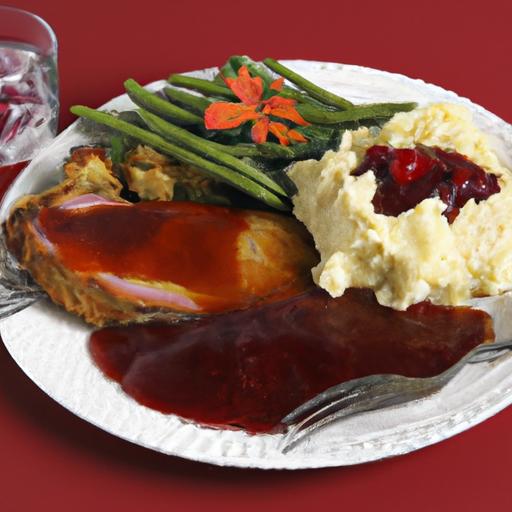
As the savory aroma of roasted turkey lingers in the air and plates grow quieter, the inevitable question arises: how long do those delicious leftovers remain safe to savor? Whether you’re facing mountains of holiday turkey or just a casual family feast, understanding the turkey timeframe is essential to keeping your meals both tasty and toxin-free. In this article, we’ll unravel the science behind leftover safety, share practical tips to extend freshness, and help you navigate the fine line between fridge-friendly feasts and foodborne risks. Get ready to become a leftover legend, turning today’s turkey into tomorrow’s tempting treat without a worry in sight!
Understanding the Science Behind Turkey Spoilage
Turkey leftovers are a beloved staple, but knowing how to keep them safe and delicious is essential. The turkey timeframe is governed by the rapid growth of bacteria like Salmonella and Clostridium perfringens, which thrive when food is left at unsafe temperatures. These microbes multiply quickly between 40°F and 140°F, the “danger zone,” accelerating spoilage and increasing foodborne illness risks. Hence, understanding how storage temperature and humidity affect turkey is vital to prolong your leftovers’ freshness without compromising safety.
Optimal Storage Techniques to Extend Leftover Freshness
To maximize the turkey timeframe, cool your leftovers promptly-ideally within two hours of cooking. Divide large portions into shallow, airtight containers to help heat dissipate evenly and quickly. Label each container with the storage date to track freshness. Store at or below 40°F in your refrigerator, or freeze for long-term keeping. Vacuum sealing is highly effective, reducing exposure to oxygen and slowing down microbial growth. Avoid storing turkey at room temperature to prevent rapid spoilage.
Signs Your Turkey Leftovers Have Gone Bad
Detecting spoiled turkey is straightforward with a combination of sensory clues. First, the texture: if the meat feels slimy or sticky, it’s a red flag. Second, the aroma: fresh turkey has a mild scent, while a sour or pungent smell signals spoilage. Visually, watch for discoloration such as dull gray or greenish hues. If in doubt, always err on the side of caution and discard leftovers that present any of these warning signs, no matter how recent they look.
Practical Tips for Reheating to Ensure Safety and Flavor
Reheating leftover turkey properly preserves both safety and flavor, extending your enjoyment of this classic protein. Reheat turkey to an internal temperature of 165°F to eliminate harmful bacteria. Use a meat thermometer for accuracy. Moisture retention is key-cover leftovers with foil or a damp paper towel when microwaving to prevent dryness. Slow reheating methods like oven warming at 325°F maintain tenderness. Pair reheated turkey with complementary sauces or gravies to enhance juiciness.
Prep and Cook Time
- Prep Time: 10 minutes (for storage preparation)
- Cook Time: Varies by reheating method (microwave ~3-4 minutes; oven ~15-20 minutes)
Yield
Serves 4 as a main dish when reheated properly.
Difficulty Level
Easy – perfect for quick food safety routines.
Ingredients
- 2 to 3 cups cooked turkey leftovers, carved
- 1 tablespoon olive oil or melted butter (optional for reheating)
- Salt and pepper to taste
- Fresh herbs such as thyme or rosemary for garnish (optional)
- Gravy or sauce of choice, warmed (optional)
Instructions
- Store leftovers promptly: Once turkey is cool, transfer to shallow containers and cover airtight. Label with the date.
- Refrigerate or freeze: Place containers in refrigerator set under 40°F or freeze if keeping for over 3 days.
- When ready to reheat, preheat: Oven to 325°F or prepare microwave-safe dish with cover.
- Warm turkey gently: If oven reheating, drizzle with olive oil or butter, cover with foil and heat 15-20 minutes until 165°F internal temp. For microwave, cover with damp paper towel and heat 3-4 minutes, stirring midway for even heating.
- Check temperature: Use meat thermometer to confirm 165°F-this ensures safety.
- Serve and garnish: Plate the turkey, add fresh herbs and gravy if desired to enhance moisture and flavor.
Chef’s Notes
- For an extra flavor boost, refresh leftovers with a splash of chicken broth before reheating to retain juiciness.
- Freezing cooked turkey in portions helps control waste and keeps the turkey timeframe longer, up to 4 months.
- Reheat only once; repeated reheating increases spoilage risk and dryness.
- If reheated turkey seems dry, shred and incorporate into soups, casseroles, or sandwiches for delicious recovery.
Serving Suggestions
Serve reheated turkey alongside creamy mashed potatoes or warm roasted vegetables for a comforting ensemble. Garnish with freshly chopped parsley or rosemary sprigs for a burst of color and aroma. Paired with homemade cranberry sauce or rich turkey gravy, your leftovers will feel just as special as the day they were roasted.
| Nutritional Info (per serving) | Calories | Protein (g) | Carbs (g) | Fat (g) |
|---|---|---|---|---|
| Turkey Leftovers (3 oz) | 135 | 25 | 0 | 3 |
USDA Food Safety Guidelines on Leftovers
For tips on creative leftover turkey recipes, check our Leftover Turkey Recipe Collection.

Q&A
Q&A: Turkey Timeframe-How Long Do Leftovers Stay Safe?
Q1: How long can I keep my turkey leftovers in the fridge?
A1: Once your turkey hits the fridge, it generally stays safe for about 3 to 4 days. Think of this as the “gravy window” – the prime time to enjoy your bird before it starts to lose its charm (and safety).
Q2: What’s the best way to store leftover turkey?
A2: Keep your turkey snug in an airtight container or tightly wrapped in foil or plastic wrap. Cool it down within two hours of cooking to keep bacteria from crashing your meal party.
Q3: Can I freeze leftover turkey, and for how long?
A3: Absolutely! Turkey freezes well and stays safe for up to 2 to 6 months. Just wrap it tightly to prevent freezer burn, and when you thaw it later, you’re back to a perfect turkey feast.
Q4: How do I know if my leftover turkey has gone bad?
A4: Your turkey will give you signs it’s off-look for an unpleasant sour smell, slimy texture, or a dull, grayish color. When in doubt, toss it out to play it safe!
Q5: What about stuffing and gravy-how long do they last?
A5: Stuffing and gravy follow the turkey’s lead: 3 to 4 days in the fridge. They’re like the trusted sidekicks-delicious but perishable. Freeze if you want longer shelf life.
Q6: Is reheating leftover turkey safe, and how should I do it?
A6: Reheat your turkey leftovers until they reach an internal temperature of 165°F (74°C). Use the oven or microwave-but make sure it’s steaming hot all through for maximum safety.
Q7: Can I eat leftover turkey past the 4-day fridge mark if it smells fine?
A7: Even if it smells okay, bacteria can multiply without obvious signs. The 3 to 4-day rule is a safe guideline-better safe than sorry when it comes to foodborne illness.
Q8: What if I have large leftovers-does that affect storage time?
A8: Large portions cool slower, creating a bacteria-friendly zone. To keep things safe, divide leftovers into smaller containers to help them chill quickly.
Q9: Are there any tips for making leftover turkey last longer?
A9: Yes! Cool leftovers quickly, store promptly in airtight containers, and freeze anything you won’t eat within a few days. Label containers with dates to keep track.
Q10: Can I mix fresh turkey with older leftovers?
A10: Avoid mixing fresh turkey with older leftovers to prevent contamination. Always handle fresh and leftover foods separately to keep safety on point.
Enjoy your turkey safely-and savor every bite without worry!
Closing Remarks
As the culinary curtain falls on your turkey feast, understanding the delicate dance of leftovers becomes essential. From the first savory bite to the final reheated morsel, knowing how long your turkey remains safe to enjoy ensures every meal is both delicious and worry-free. So, whether you’re savoring those post-holiday sandwiches or crafting new dishes from yesterday’s bounty, keep this timeframe in mind-your taste buds and health will thank you. Remember, when it comes to turkey leftovers, a little care goes a long way in keeping the feast both fresh and fabulous.