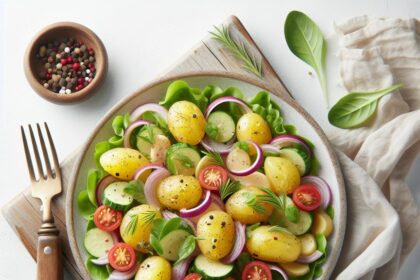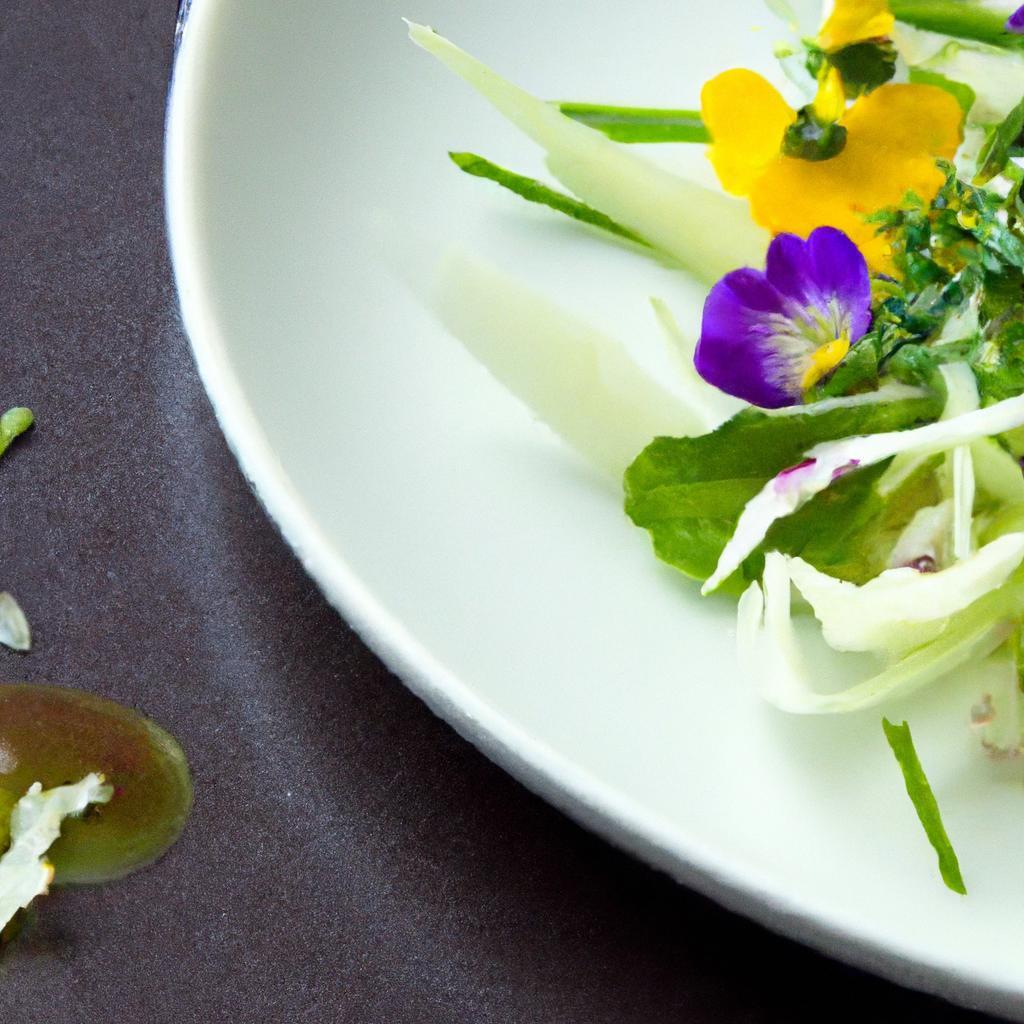

When we think of dandelions, the bright yellow blossoms that dot springtime lawns often evoke childhood memories of making wishes or simple whimsies. But beyond their sunny petals and stubborn presence in gardens lies an untapped treasure trove of flavor and nutrition: dandelion greens. These vibrant, slightly bitter leaves have long been celebrated in traditional cuisines around the world, prized for their earthy taste and healthful properties. In “Unlocking Nature’s Bounty: A Guide to Cooking Dandelion Greens,” we dive into the art of transforming this wild, humble plant into a culinary delight, exploring techniques that balance its bold flavor with creativity and care. Whether you’re a seasoned forager or a curious cook, this guide will open the door to a fresh way of savoring nature’s green gifts.
- Discovering the Nutritional Powerhouse Hidden in Dandelion Greens
- Harvesting and Preparing Dandelion Greens for Optimal Flavor and Freshness
- Creative Culinary Techniques to Elevate Dandelion Greens in Your Kitchen
- Pairing and Preserving Dandelion Greens for Year-Round Enjoyment
- Q&A
- Insights and Conclusions
Discovering the Nutritional Powerhouse Hidden in Dandelion Greens
Unlocking Nature’s Bounty: A Guide to Cooking Dandelion Greens begins with recognizing these often-overlooked greens as a vibrant source of vitamins A, C, K, and essential minerals like iron and calcium. Native to temperate regions worldwide, dandelion greens have been cherished in traditional medicine and rustic cuisines for centuries. Their slightly bitter, herbaceous flavor profile makes them a flavorful addition to your kitchen repertoire while delivering a powerful nutritional punch.
Harvesting and Preparing Dandelion Greens for Optimal Flavor and Freshness
Dandelion greens thrive in early spring when their leaves are young and tender. When gathering, select bright green, unblemished leaves free from yellowing or wilting. Harvest greens in the morning after the dew evaporates for ultimate crispness. Before cooking, thoroughly rinse to remove grit and sand, then soak in cold water to refresh the leaves and mellow their natural bitterness. Dry with a salad spinner or pat gently with towels to preserve texture.
Creative Culinary Techniques to Elevate Dandelion Greens in Your Kitchen
To unlock the full flavor spectrum of dandelion greens, try sautéing 1 bunch of fresh dandelion greens with garlic and olive oil until tender yet still vibrant. Alternatively, blanching the greens before incorporating them into salads or grain bowls softens their bitterness while retaining nutrients. For a more indulgent approach, incorporate dandelion greens into frittatas, quiches, or blend them into vibrant pesto sauces. Their bright, slightly bitter notes pair beautifully with toasted nuts and aged cheeses.
Pairing and Preserving Dandelion Greens for Year-Round Enjoyment
Pair these greens with acidic ingredients like lemon juice, balsamic vinegar, or pomegranate molasses to brighten their naturally earthy flavor. They complement robust proteins such as lamb, chicken, or hearty legumes with ease. To enjoy dandelion greens beyond the growing season, blanch and freeze fresh leaves or pickle them using a tangy brine for a zesty side. Preserving their flavor ensures you can savor the benefits of this nutritional powerhouse anytime.
Prep and Cook Time
- Prep time: 15 minutes
- Cook time: 10 minutes
- Total time: 25 minutes
Yield
- Serves 4 as a side dish
Difficulty Level
- Easy
Ingredients
- 1 bunch (about 6 cups) dandelion greens, rinsed and chopped
- 2 tablespoons extra virgin olive oil
- 3 cloves garlic, thinly sliced
- 1/4 teaspoon sea salt, or to taste
- Freshly ground black pepper, to taste
- 1 tablespoon fresh lemon juice
- Optional: 2 tablespoons toasted pine nuts
- Optional Garnish: shaved Parmesan or crumbled feta
Instructions
- Prepare the Greens: Trim tough stems from the dandelion greens, then rough chop. Dry them thoroughly after rinsing to avoid excess water in the pan.
- Heat the Oil: In a large skillet over medium heat, warm the olive oil until shimmering.
- Sauté the Garlic: Add sliced garlic to the skillet and sauté until fragrant and lightly golden, about 1-2 minutes. Stir constantly to prevent burning.
- Add the Greens: Toss in the chopped dandelion greens. Use tongs to stir and coat with the garlic oil.
- Cook until Tender: Sauté for about 5-7 minutes, stirring occasionally. The greens should wilt completely but retain a touch of bright green color.
- Season: Sprinkle with sea salt and pepper. Stir in fresh lemon juice to brighten the flavors immediately before removing from heat.
- Serve: Transfer to a serving dish and top with toasted pine nuts and your choice of shaved Parmesan or crumbled feta for extra depth and texture.
Tips for Success
- If your dandelion greens taste too bitter, blanch them in boiling water for 1-2 minutes before sautéing to mellow the sharpness while preserving nutrients.
- Use fresh lemon juice to add brightness at the end-cooking lemon juice reduces its vibrant flavor.
- Swap pine nuts for walnuts or almonds for a different texture and flavor profile.
- Make ahead by cooking the greens and storing them airtight in the fridge for up to 3 days; gently reheat in a skillet with a splash of water or broth.
- Experiment by blending cooked greens into soups or in creamy dips for an added nutritional boost.
Serving Suggestions
Present sautéed dandelion greens alongside grilled meats or roasted root vegetables for a balanced plate. Garnish with a sprinkle of pomegranate seeds for a pop of color and sweet-tart contrast. For a refreshing twist, toss cooled greens into grain bowls featuring quinoa or farro, drizzled with a tahini-based dressing. To elevate the dish visually and texturally, finish with a drizzle of high-quality extra virgin olive oil and freshly cracked pepper.

| Nutritional Element | Per Serving |
|---|---|
| Calories | 80 kcal |
| Protein | 3 g |
| Carbohydrates | 7 g |
| Fat | 5 g |
For additional inspiration on leafy greens and nutrient-rich superfoods, explore our comprehensive kale cooking guide. To dive deeper into the health benefits of dandelion greens, visit the National Center for Complementary and Integrative Health.
Q&A
Q&A: Unlocking Nature’s Bounty – A Guide to Cooking Dandelion Greens
Q1: Why should I consider cooking with dandelion greens?
A1: Dandelion greens are nutritional powerhouses often overlooked as mere weeds. Packed with vitamins A, C, and K, along with calcium and antioxidants, these vibrant greens offer a punch of health benefits. Cooking with them not only adds a unique earthy flavor to your dishes but also allows you to connect with nature’s untamed pantry.
Q2: When and where is the best time to harvest dandelion greens?
A2: Early spring is dandelion season’s golden hour. Tender young leaves, harvested before the plant flowers, are less bitter and perfect for cooking. Choose plants from pesticide-free areas-like your backyard, community gardens, or wild patches away from roads-to ensure your bounty is clean and safe.
Q3: How do I prepare dandelion greens for cooking?
A3: After harvesting, give the greens a thorough rinse to remove dirt and tiny critters. Trim off any tough stems, then blanching them briefly in boiling water helps mellow the natural bitterness. This process softens the leaves and primes them for a variety of delicious recipes.
Q4: What cooking methods best highlight dandelion greens’ flavors?
A4: Sautéing with garlic and olive oil awakens their earthy warmth, while adding a squeeze of lemon or a dash of vinegar balances bitterness with bright acidity. They stew beautifully in soups or mingle harmoniously in hearty pasta dishes. For a crispy treat, try tossing blanched greens with breadcrumbs and Parmesan, then baking for a golden finish.
Q5: Are there any tips to reduce dandelion greens’ bitterness without losing their nutritional value?
A5: Absolutely! Pairing dandelion greens with sweet or tangy ingredients like caramelized onions, roasted garlic, or citrus zest softens their bold bite. Cooking them gently rather than boiling aggressively preserves delicate nutrients and keeps flavors vibrant.
Q6: Can dandelion greens be eaten raw?
A6: Yes! Young, tender dandelion leaves make a zesty addition to salads, offering a peppery kick. When eaten raw, they retain their maximum vitamin content, but their bitterness is more pronounced-so balance them with sweeter greens or creamy dressings.
Q7: Is it safe to forage dandelion greens myself?
A7: Foraging can be rewarding but requires caution. Always identify plants carefully-mistaking toxic look-alikes can be dangerous. Ensure you collect from clean, chemical-free environments. If in doubt, consult a local expert or start with greens from trusted organic sources.
Q8: How can cooking dandelion greens connect me with nature?
A8: Harvesting and cooking dandelion greens is a beautiful ritual that brings you closer to the earth’s cycles and wild abundance. It transforms a common “weed” into a culinary treasure, reminding us that nourishment grows in unexpected places and that nature’s bounty is all around waiting to be unlocked.
Harness the humble dandelion greens to nourish your body and delight your palate-a true gift from the wild garden!
Insights and Conclusions
As you close this guide and step into your kitchen, remember that dandelion greens are more than just a humble weed-they are a vibrant treasure waiting to be explored. By unlocking their bold flavors and nutritional wealth, you’re not only embracing a piece of nature’s bounty but also inviting a touch of wild elegance to your plate. Whether sautéed, steamed, or tossed fresh in a salad, these resilient greens offer a delicious reminder that sometimes, the most extraordinary ingredients grow right beneath our feet. So go forth, gather, cook, and savor the unexpected magic of dandelion greens-your palate and your health will thank you.