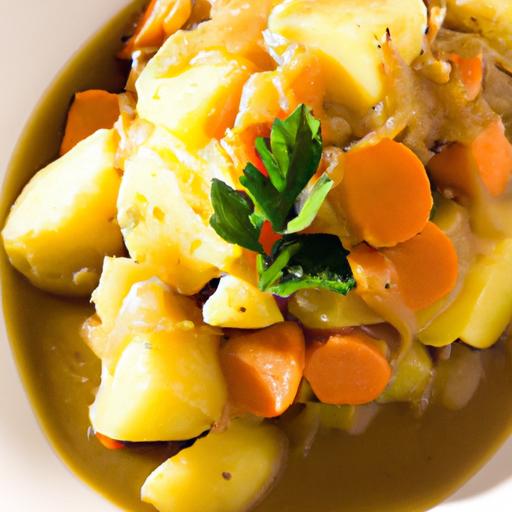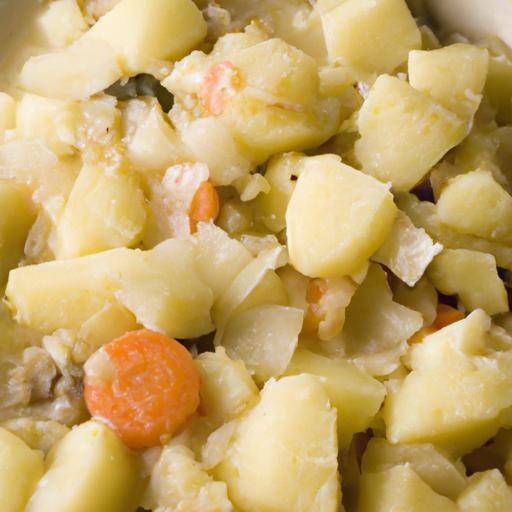

In the quiet alchemy of the kitchen, few transformations are as humble – yet as magical – as the breakdown of a potato. Beneath its rough skin lies a treasure trove of starches, waiting to unravel and reveal a world of comforting textures and unexpected flavors. But what exactly happens when potatoes break down in that bubbling pot, turning from firm tubers into the silky heart of a stew? Journey with us as we peel back the layers of science and tradition to uncover the starchy stew surprise – a delicious story of chemistry, culture, and culinary charm that turns simple spuds into the soul of a meal.
Understanding the chemical journey of potato breakdown is essential to unlocking the full potential of your starchy stew. When you simmer potatoes slowly in your stew, the starch granules swell and begin to break down, resulting in a natural thickening agent that enriches the texture and deepens the flavor. This transformation is what makes your stew comforting and velvety, inviting spoonfuls of warmth and heartiness.
Prep and Cook Time
- Preparation: 15 minutes
- Cooking: 1 hour 20 minutes
- Total Time: 1 hour 35 minutes
Yield
4 hearty servings
Difficulty Level
Medium – Perfect for home cooks looking to deepen their culinary chemistry knowledge!
Ingredients
- 4 medium Yukon Gold potatoes, peeled and coarsely chopped
- 2 tablespoons olive oil
- 1 large onion, finely diced
- 3 cloves garlic, minced
- 2 cups beef or vegetable broth, warm
- 1 cup diced carrots
- 1 cup celery, sliced
- 1 teaspoon fresh thyme, chopped
- 1 teaspoon smoked paprika
- Salt and freshly ground black pepper, to taste
- 2 tablespoons tomato paste
- 1/2 cup dry white wine (optional, for depth)
- Fresh parsley, for garnish
Instructions
- Heat olive oil in a large heavy-bottomed pot over medium heat. Add the diced onion and sauté until translucent and fragrant, about 5 minutes, stirring occasionally.
- Add garlic and cook for an additional minute, careful not to brown it, which could impart bitterness.
- Stir in tomato paste and smoked paprika, cooking them out for 2 minutes to build a rich flavor base.
- Pour in white wine, if using, and simmer for 3 minutes, allowing the alcohol to evaporate and flavors to concentrate.
- Add chopped potatoes, carrots, and celery to the pot, stirring to coat well with the spiced tomato mixture.
- Pour in warm broth and sprinkle in fresh thyme. Season with salt and pepper to taste.
- Increase heat to bring the stew to a simmer, then reduce to low. Cover and let cook gently for 1 hour, stirring occasionally to prevent sticking. This slow simmer is key as it allows the potato starch to break down naturally, thickening the stew.
- Uncover in the final 10 minutes to allow the stew to thicken slightly and the flavors to deepen.
- Adjust seasoning before serving. If you desire a creamier texture, lightly mash a few potato chunks within the pot with the back of a spoon.
- Serve hot, garnished with fresh parsley to add a pop of color and freshness.
Tips for Success
- Choose the right potato: Yukon Golds are ideal for their balance of waxy and starchy qualities, breaking down just enough without turning to mush.
- Use warm broth: Adding warm liquid avoids temperature shocks that can interrupt the slow starch breakdown process.
- Slow and steady simmer: Resist the urge to rush! A gentle simmer allows the starches to gelatinize properly, enhancing texture.
- Make ahead: This stew tastes even better the next day after flavors have melded, making it perfect for preparing in advance.
- Variations: Swap beef broth for mushroom broth to create a vegetarian-friendly rich umami stew.
Serving Suggestions
For a truly inviting presentation, ladle this golden stew into rustic bowls and garnish with a sprinkle of fresh parsley and a swirl of crème fraîche or sour cream to highlight the luscious texture. Pair it with crusty artisan bread for dipping, or serve over steamed rice or creamy polenta to absorb every bit of the flavorful liquid.

| Nutrient | Per Serving |
|---|---|
| Calories | 350 kcal |
| Protein | 8 g |
| Carbohydrates | 50 g |
| Fat | 10 g |
For more techniques on vegetable starch transformation, check out our Root Vegetable Cooking Guide. To dive deeper into the science of starch gelatinization, visit the authoritative resource at ScienceDirect.
Q&A
Q&A: When Potatoes Break Down – The Starchy Stew Surprise Explained
Q1: Why does my stew turn thick and cloudy when potatoes are added?
A1: Ah, the potato magic! When potatoes cook, their cell walls break down, releasing starch into the liquid. This starch acts like a secret thickening agent, turning your stew into a velvety, hearty masterpiece. It’s nature’s way of giving your stew more body and a silky mouthfeel without needing flour or cornstarch.
Q2: What exactly is starch, and how does it behave in cooking?
A2: Starch is a carbohydrate stored inside potato cells as tiny granules. When heated in water, these granules swell and burst, releasing starch molecules that mingle with the stew’s broth. This process, called gelatinization, transforms your liquid into a thicker, creamier delight-almost like a natural sauce.
Q3: Can all potatoes cause this starchy effect, or do some potatoes behave differently?
A3: Not all potatoes are created equal in the starch department! High-starch varieties like Russets break down more easily, lending maximum thickness. Waxy potatoes, like Red or New potatoes, have less starch and tend to hold their shape, leaving your stew broth clearer and lighter.
Q4: Is the starchy release from potatoes always desirable in cooking?
A4: It depends on your stew goals! If you want a thick, comforting broth, the starch is your best friend. However, if you prefer a crisp potato texture and a clearer stew, add potatoes later in the cooking process or choose waxy types to keep that clean broth vibe.
Q5: Can I control the starchiness to avoid a gluey stew?
A5: Absolutely! To manage starch release: rinse diced potatoes before cooking to wash away excess surface starch, add potatoes closer to the end of cooking to prevent overcooking, or stir gently to avoid breaking them apart. These tips help you harness starch without turning your stew into a gloopy pot.
Q6: Does this starchy thickening work in other potato dishes?
A6: Indeed! Mashed potatoes become creamy from the same starch release, while potato soups thicken naturally without flour. Even gnocchi’s pillowy texture hinges on balancing starch. Remember, starch is the unsung hero behind many beloved potato textures.
Q7: What’s the science behind the “starchy stew surprise”?
A7: The surprise lies in the transformation: as potato starch granules absorb water and heat, they rupture, unleashing sticky molecules that create a meshwork in the broth. This mesh traps liquid, thickening and enriching your stew-turning humble spuds into culinary alchemists.
And there you have it! Next time you ladle that rich, thicker stew with tender potatoes, you’ll appreciate the fascinating starchy symphony happening beneath the surface. The potato’s secret ingredient? Science and a whole lot of delicious surprise.
Wrapping Up
As the humble potato surrenders its structure and releases its starchy bounty, the alchemy of cooking reveals a world beyond mere tuber texture-a transformation that turns simple ingredients into comfort in a bowl. Understanding the science behind this starchy stew surprise not only deepens our appreciation for potatoes but also empowers us to craft dishes that sing with perfect consistency and flavor. So next time your stew thickens with that unexpected velvety touch, you’ll know it’s not magic-just the marvelous breakdown of the potato at work, quietly making mealtime more delightful.