
There’s something undeniably delightful about biting into a perfectly made deviled egg-the silky, tangy filling nestled snugly inside a tender egg white, a harmony of textures and flavors that never fails to please. But when your deviled eggs turn out runny, slipping off the fork and leaving a messy trail, that culinary delight can quickly turn into a kitchen conundrum. Why does this happen? And more importantly, how can you transform that frustrating mishap into flawless, creamy goodness every time? Whether you’re a seasoned cook or an enthusiastic beginner, this article dives into the common reasons behind runny deviled egg filling and offers expert tips to help you master the art of the perfect deviled egg-a timeless classic worthy of every holiday table, picnic, or casual snack. Let’s crack into the secrets behind that coveted consistency and get ready to impress with deviled eggs that hold their shape and charm every bite!
Common Causes of Runny Deviled Egg Filling and How to Avoid Them
Why Are My Deviled Eggs Runny? Tips for Perfect Filling starts with understanding how to achieve that ideal balance between creamy and firm-a hallmark of flawless deviled eggs. Whether you are hosting a family gathering or crafting a sophisticated appetizer, the texture of your filling can make or break this classic dish. Let’s delve into the culinary secrets that guarantee luscious yet stable deviled egg filling every time.
Prep and Cook Time
- Preparation: 20 minutes
- Cook Time: 15 minutes (for boiling eggs)
- Total Time: 35 minutes
Yield
Makes 12 deviled egg halves (6 whole eggs)
Difficulty Level
Easy to Medium – Perfect for beginners aiming for pro-level results.
Ingredients
- 6 large eggs, cold, preferably aged 5-7 days for easier peeling
- 3 tbsp mayonnaise (adjust for creaminess)
- 1 tsp Dijon mustard – adds subtle tang and stabilizes texture
- 1 tsp white vinegar or lemon juice – balances flavor and firms up yolk mix
- ½ tsp salt, or to taste
- Freshly ground black pepper, to taste
- Optional: pinch of smoked paprika or cayenne pepper for garnish
Instructions
- Cook the eggs perfectly: Place cold eggs in a saucepan and cover with cold water by at least an inch. Bring to a gentle boil over medium heat; once boiling, cover and remove from heat. Let sit for 12 minutes to cook through while preventing overcooking, which can cause dry yolks.
- Cool and peel: Drain hot water, then transfer eggs to an ice bath for 5 minutes. The shock stops cooking and ensures smooth peeling-peel carefully to avoid damaging the whites.
- Prepare the filling: Slice eggs in half lengthwise and gently scoop yolks into a medium bowl. Using a fork or fine mesh sieve, mash yolks until perfectly smooth.
- Balance moisture and flavor: Add mayonnaise carefully-start with 2 tablespoons and gradually blend in the Dijon mustard and vinegar or lemon juice. These acidic elements help firm the filling while uplifting flavor complexity.
- Mix to perfection: Stir gently but thoroughly until the filling is creamy yet holds shape. If too runny, add more mashed yolk from another egg or a tiny pinch of powdered egg yolk.
- Fill egg whites: Use a piping bag for neat presentation or spoon the mixture generously into each egg white half.
- Chill: Refrigerate for at least 30 minutes to allow flavors to meld and filling to set.
Tips for Success
- Use eggs that aren’t super fresh: Slightly aged eggs peel more easily, preventing broken whites which can cause leaks and runniness.
- Control moisture: Adding mayonnaise and vinegar incrementally is essential-too much liquid will oversoften the yolk paste.
- Try a sieve: For an ultra-silky smooth filling, press the yolks through a fine mesh sieve before mixing.
- Keep mixing gentle: Overmixing aerates the filling and can lead to a runny texture.
- Store properly: Cover the deviled eggs tightly with plastic wrap in a single layer to prevent drying out or condensation that weakens the filling’s structure.
- Make ahead: Prepare the yolk filling a day prior-shape and fill eggs just before serving for peak freshness.
Serving Suggestions
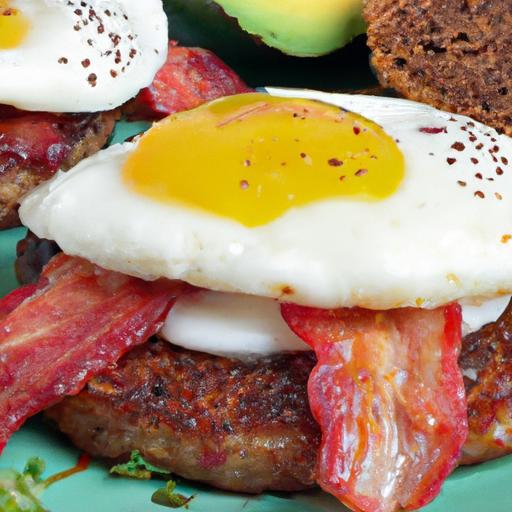
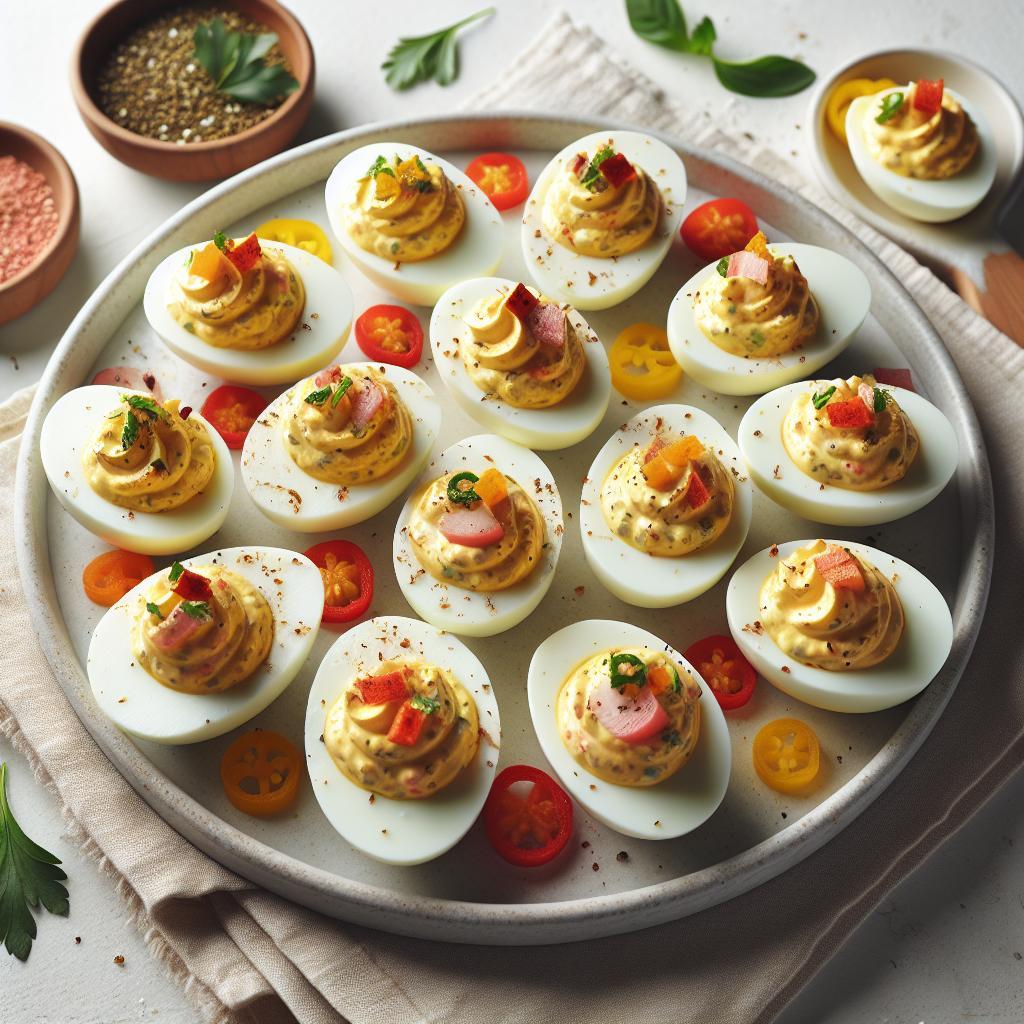
Present these flawlessly textured deviled eggs on a chilled platter with a sprinkle of smoked paprika for color and subtle warmth or finely chopped chives for a fresh pop. Pair with crisp crudités or a light salad for an elegant starter. For a creative twist, add avocado or crisp bacon bits into the filling for additional layers of flavor and texture.
| Nutrient | Per Serving (1 egg half) |
|---|---|
| Calories | 65 |
| Protein | 4.5g |
| Carbohydrates | 1g |
| Fat | 5g |
Discover more tips on cooking perfect hard-boiled eggs to make your deviled eggs flawless every time. For scientific insight on egg chemistry and texture, visit the Serious Eats guide.

Q&A
Q&A: Why Are My Deviled Eggs Runny? Tips for Perfect Filling
Q1: Why do my deviled eggs come out runny instead of firm and creamy?
A1: Runny deviled eggs usually mean the yolk filling has too much moisture or wasn’t cooked to the right consistency. Overcooked whites or undercooked yolks can throw off the balance, making your filling more liquidy than luscious.
Q2: How can I avoid runny deviled egg filling?
A2: Start by boiling your eggs just right – about 9 to 12 minutes for hard-boiled perfection. Then, cool them quickly in ice water to stop the cooking and prevent a watery texture. When mashing yolks, add your mix-ins gradually (like mayo or mustard) until you reach that silky, spreadable texture without tipping into runny territory.
Q3: Could the ingredients I’m mixing into the yolks cause runniness?
A3: Absolutely! Ingredients like mayonnaise, mustard, or vinegar bring moisture, and too much can lead to a runny filling. Use them sparingly and taste as you go. Remember, it’s easier to add more than to fix a filling that’s already too wet.
Q4: Does the way I prepare the yolks affect the texture?
A4: Yes! Overmashing or using a blender can sometimes make the filling overly smooth and thin. For the best texture, gently mash the yolks with a fork or use a potato masher, mixing just enough to combine the ingredients smoothly.
Q5: Are there any tips for fixing runny deviled egg filling after it’s made?
A5: If your filling turns out too runny, try adding a bit more mashed yolk or a small pinch of dry mustard powder or grated Parmesan cheese to thicken it up. Refrigerating the filling for 30 minutes can also help it firm up before piping or spreading.
Q6: Any final secrets for perfect deviled eggs every time?
A6: Use fresh eggs but not super fresh – eggs that are a few days old peel easier and help maintain yolk integrity. Cook consistently, chill well, and add ingredients thoughtfully. Above all, have fun experimenting – each batch can bring you closer to deviled egg bliss!
The Way Forward
In the delicate dance of crafting the perfect deviled egg, a runny filling is often the uninvited guest that spoils the party. But with a splash of patience, the right techniques, and a pinch of practice, you can transform your eggs from floppy to flawless. Remember, the secret lies in well-cooked yolks, measured mayonnaise, and the gentle art of mixing-not too loose, not too stiff. So next time you crack open those eggs, embrace these tips and watch your deviled eggs steal the show, every single time. Happy deviling!