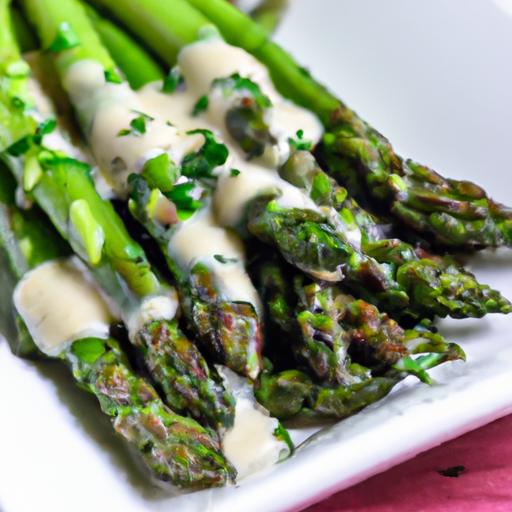
There’s nothing quite as disappointing as biting into a stalk of asparagus, expecting that satisfying snap, only to be met with an unappealing mushy texture. But why does this happen to such a crisp and vibrant veggie? Whether your asparagus turned limp before dinner or soggy after just a day in the fridge, understanding the causes behind mushy asparagus can save you from culinary letdowns. In this article, we’ll unravel the science and common mishaps that turn firm spears into limp strands-and, most importantly, share simple fixes to bring back that perfect crunch every time. Get ready to say goodbye to mush and hello to deliciously crisp asparagus!
Why Is My Asparagus Mushy? Causes & Fixes Explained begins with understanding the delicate nature of asparagus spears-an often underestimated vegetable prized for its crisp snap and fresh, grassy flavor. From local farmers’ markets to high-end restaurants, perfectly textured asparagus elevates any meal, yet it can quickly turn limp and unsatisfying. I’ve encountered this frustrating issue countless times in my culinary journey, and with experience, I’ve mastered how to identify the causes and revive limp spears, turning mushy mishaps into tender triumphs.
Prep and Cook Time
- Preparation: 10 minutes
- Cooking: 5-7 minutes
- Total Time: 15-17 minutes
Yield
Serves 4 (as a side dish)
Difficulty Level
Easy
Ingredients
- 1 lb fresh asparagus, firm stalks with closed tips
- 2 tablespoons olive oil
- 1 teaspoon sea salt
- Freshly ground black pepper, to taste
- 1 tablespoon lemon juice, freshly squeezed
- 1 teaspoon garlic powder (optional)
- 1 tablespoon grated Parmesan cheese (optional garnish)
Instructions
- Inspect and Trim: Rinse your asparagus under cold water, then snap or cut off the woody bottom ends-usually the tough 1 to 2 inches. This helps avoid mushiness by removing fibrous parts that don’t tenderize well.
- Store Properly: If not cooking immediately, stand asparagus upright in a jar with a little water at the bottom and cover loosely with a plastic bag. Keep refrigerated to preserve crispness.
- Preheat Pan or Oven: For stovetop cooking, warm olive oil in a skillet over medium heat. For roasting, preheat your oven to 425°F (220°C).
- Cook the Asparagus:
- Sautéing: Add asparagus in a single layer and cook 5 minutes, turning occasionally until bright green with slight char.
- Roasting: Spread asparagus on a baking sheet, drizzle with olive oil, sprinkle salt and pepper, roast 7 minutes or until tender but still crisp.
- Season and Finish: After cooking, sprinkle lemon juice and garlic powder for brightness and umami. Toss to coat evenly.
- Garnish and Serve: Add freshly grated Parmesan or pine nuts for texture contrast before plating warm.
Tips for Success
- Choose firm, vibrant green asparagus with tightly closed tips to avoid built-in mushiness.
- Do not overcrowd your pan or baking sheet-this steams asparagus instead of roasting, leading to soggy texture.
- Overcooking is the biggest culprit for limp spears: cook just until tender-crisp to maintain integrity.
- Revive limp asparagus by soaking in ice water for 10-15 minutes to restore snap before cooking.
- For longer storage, wrap trimmed asparagus in a damp paper towel and place inside a perforated plastic bag in the fridge.
- Consider grilling asparagus for smoky flavor and delightful crunch, turning spears frequently for even cooking.
Serving Suggestions
Serve asparagus as a bright, fresh side alongside grilled salmon or roasted chicken for a balanced meal. Top with a sprinkle of toasted almonds or drizzle with a balsamic glaze for extra flair. For a vibrant appetizer, wrap crisp asparagus spears with prosciutto and a smear of herbed goat cheese. Pair with a chilled Sauvignon Blanc or crisp sparkling water with lemon for refreshing contrast.

| Nutrient | Per Serving (1/4 lb) |
|---|---|
| Calories | 40 |
| Protein | 4g |
| Carbohydrates | 7g |
| Fat | 3g |
For a deeper dive into vegetable storage techniques, visit the FDA’s guide to safe food storage. Also, explore our related post on how to cook crisp vegetables for more kitchen tips.
Q&A
Q&A: Why Is My Asparagus Mushy? Causes & Fixes Explained
Q1: Why does my asparagus turn mushy after cooking?
A1: Mushy asparagus is often the result of overcooking or starting with asparagus that’s past its prime. Excessive heat breaks down the vegetable’s cell structure, turning crisp stalks into soggy strands. Think of it like a delicate dance – too long in the spotlight, and it loses its rhythm!
Q2: Can asparagus be mushy even before cooking?
A2: Absolutely! If your asparagus feels limp or soft right out of the fridge, it’s a sign it’s losing freshness. Asparagus stalks naturally lose moisture over time, becoming dehydrated and mushy. It’s like a plant that’s forgotten to drink its water.
Q3: What causes asparagus to become mushy in the fridge?
A3: Storing asparagus improperly is a common culprit. If left dry or unwrapped, the stalks dehydrate, leading to limpness. Also, storing near ethylene-producing fruits like apples can accelerate spoilage. Asparagus prefers a cool, moist environment to stay firm – a little spa treatment in the crisper drawer!
Q4: How can I fix mushy asparagus?
A4: Once asparagus turns mushy, there’s no magic fix to restore crunch. However, you can repurpose it into delicious soups, purees, or frittatas where texture matters less. In the future, aim to buy fresh stalks, trim the ends, store upright in water (like flowers), and avoid overcooking.
Q5: What’s the secret to keeping asparagus crisp and tender when cooking?
A5: Timing is everything! Blanch or steam asparagus for just 2-4 minutes until bright green and tender-crisp. Shock immediately in ice water to stop cooking. When roasting or grilling, keep it short and sweet – about 8-10 minutes at high heat. Treat asparagus like a diva: quick appearances and flawless exit!
Q6: Does the thickness of asparagus affect mushiness?
A6: Yes! Thicker stalks tend to be woodier but hold up better against overcooking, while thinner spears cook faster and can easily become mushy. Adjust cooking times accordingly – thin spears need less time to stay delightful, thick ones might appreciate a gentle peel to avoid tough bites.
Q7: Any tips for selecting firm asparagus at the store?
A7: Look for vibrant green color with firm, straight stalks and tightly closed tips. Avoid any that are limp, yellowing, or soggy at the base. Snap a stalk gently – it should break cleanly, not bend like a wet noodle. Store visits are like auditions; only the freshest get cast dinner roles!
With these Q&A insights, mushy asparagus doesn’t have to be a mystery or a meal mishap. Treat your stalks with care, and they’ll reward you with crisp, garden-fresh flavor every time!
Future Outlook
In the quest for crisp, vibrant asparagus, understanding why those green stalks sometimes turn mushy is the secret ingredient to kitchen success. From overcooking and moisture missteps to storage snafus, each culprit uncovers a piece of the puzzle. Armed with these insights and simple fixes-like choosing fresh spears, proper storage, and precise cooking-you can transform limp asparagus into a tender yet firm delight every time. So next time your stalks feel less than stellar, remember: a little knowledge is all it takes to turn mushy misery into culinary victory. Happy cooking!