
There’s nothing quite like the rich, velvety comfort of a perfectly baked pumpkin pie-until you discover a watery, runny filling that derails your dessert dreams. Whether you’re a seasoned baker or a holiday hopeful, a soggy slice can turn anticipation into disappointment. But why does your pumpkin pie end up with a watery filling, and more importantly, how can you fix it? In this article, we’ll dive into the science behind that wobbly texture and share foolproof tips to help you achieve a smooth, luscious pumpkin pie every time. Say goodbye to watery woes and hello to slice-worthy success!
Why Is My Pumpkin Pie Watery? Tips to Fix Your Filling unlocks the kitchen secrets behind that frustratingly thin, runny custard many bakers encounter. This beloved autumn classic, rooted in Native American tradition and perfected over centuries, earns its place on holiday tables by boasting a rich, velvety texture that melts in your mouth. However, too much moisture in the filling can turn it soggy and disappointing. Understanding the science behind the watery filling and mastering key techniques will elevate your pumpkin pie from ordinary to extraordinary every single time.
Prep and Cook Time
- Preparation: 20 minutes
- Cooking: 50 minutes
- Cooling: 2 hours
Yield
Serves 8 generous slices
Difficulty Level
Medium – Requires attention to detail but approachable for home bakers of all skill levels
Ingredients
- 1 (15-ounce) can pumpkin puree (100% pure pumpkin, not pumpkin pie filling)
- 3/4 cup granulated sugar
- 1 teaspoon ground cinnamon
- 1/2 teaspoon ground ginger
- 1/4 teaspoon ground nutmeg
- 1/4 teaspoon ground cloves
- 1/2 teaspoon salt
- 3 large eggs, room temperature
- 1 1/4 cups heavy cream or evaporated milk
- 2 tablespoons cornstarch (critical for thickening)
- 1 teaspoon vanilla extract
- 1 unbaked 9-inch pie crust (homemade or store-bought)
Instructions
- Preheat your oven to 425°F (220°C). Prepare your pie crust in a 9-inch dish. To prevent sogginess, blind bake the crust for 10 minutes with parchment and pie weights, then let cool.
- Whisk together the dry spices, cornstarch, sugar, and salt in a large bowl to evenly distribute the thickening agent and flavors.
- In a separate bowl, beat the eggs lightly until just blended; this encourages a smooth custard.
- Combine the pumpkin puree and egg mixture and stir gently to maintain airiness; folding is preferable over vigorous stirring to avoid deflating the custard.
- Gradually add the spiced sugar mixture, then pour in the heavy cream and vanilla extract, continuing to mix just until smooth and homogeneous.
- Strain the filling through a fine mesh sieve into the pie crust to remove any lumps and reduce moisture pockets that could cause watery texture.
- Bake at 425°F (220°C) for 15 minutes to set the edges, then immediately reduce the heat to 350°F (175°C) and bake for an additional 35-40 minutes. The center should be slightly jiggly but not liquid.
- Cool the pie completely on a wire rack, then chill in the refrigerator for at least 2 hours to allow the filling to firm up and flavors to meld.
Tips for Success
- Use pure pumpkin puree. Pumpkin pie filling often contains added liquids and stabilizers that contribute to excess moisture.
- Incorporate cornstarch carefully. This ingredient is key to absorbing and thickening without altering flavor.
- Blind bake your crust briefly. This prevents the crust from absorbing liquid and becoming soggy.
- Rescue a watery pie by gently reheating the filling on the stovetop with a tablespoon of cornstarch slurry, stirring until thickened, then rebaking in the crust.
- Avoid overbeating eggs. Overmixing adds air, promoting cracks and leakage of moisture.
- Allow ample cooling and chilling time. It’s tempting to dive in, but patience yields the creamiest slice.
Serving Suggestions
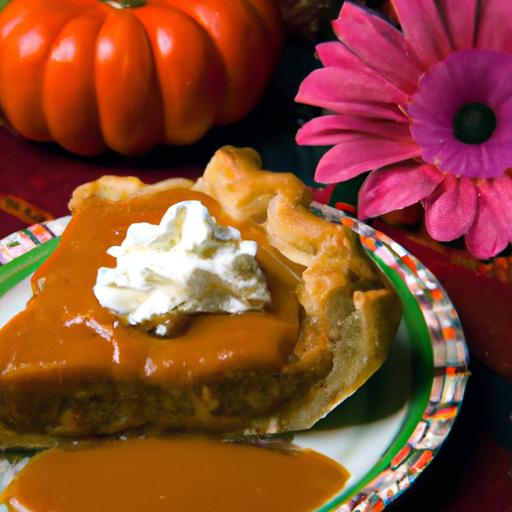
Serve your perfectly thick and creamy pumpkin pie topped with a cloud of freshly whipped cream lightly dusted with cinnamon or a sprinkle of toasted pecans for crunch. For a modern twist, drizzle with a warm caramel sauce or accompany with a scoop of vanilla bean ice cream. Garnish with autumnal leaves or a sprinkle of nutmeg to elevate its visual appeal on your dessert table.

| Nutrient | Per Serving |
|---|---|
| Calories | 320 kcal |
| Protein | 5 g |
| Carbohydrates | 40 g |
| Fat | 15 g |
Looking for more pie perfection tips? Check out our step-by-step guide to flaky pie crust that complements a luscious pumpkin filling. For scientific insights on custard chemistry, visit Scientific American’s Food Science section.
Q&A
Q: Why is my pumpkin pie filling watery?
A: A watery pumpkin pie filling often happens when there’s too much liquid or not enough thickening agents in the recipe. Pumpkin itself holds moisture, and if it’s canned or homemade with excess water, that can seep out during baking. Overmixing or underbaking can also cause your filling to weep liquid instead of set beautifully.
Q: Can using fresh pumpkin cause a watery filling?
A: Absolutely! Fresh pumpkin tends to have more natural water than canned. If you don’t drain or roast it properly before blending, the extra moisture can make your pie filling runny. To fix this, roast your pumpkin cubes and let them dry on a towel to get rid of excess water before using.
Q: How can I prevent my pumpkin pie from becoming watery next time?
A: Start with well-drained pumpkin, whether canned or fresh. Use the right ratio of eggs and thickeners like cornstarch or flour to help the filling set. Mix ingredients gently-overmixing breaks down fibers and releases water. Also, bake the pie long enough at the right temperature until the center is just set; a little jiggle is good, but liquid pooling is not.
Q: Is overbaking or underbaking worse for watery pumpkin pie?
A: Underbaking is usually the culprit behind watery filling. It hasn’t had enough time to thicken and set, so moisture stays trapped. Overbaking can lead to cracks or dryness, but generally, it won’t cause your filling to be watery. Aim to bake until the edges are firm and the center has a slight wobble.
Q: Can I add anything extra to thicken a watery pumpkin pie filling?
A: Yes! A spoonful of cornstarch, arrowroot, or even a bit of flour can help absorb excess moisture and stabilize the filling. Be cautious not to add too much, or you might alter the flavor and texture. Adding an extra egg or egg yolk also helps set the filling more firmly.
Q: What role does sugar play in watery pumpkin pie filling?
A: Sugar draws moisture out of the pumpkin and eggs, so using too much can contribute to a watery consistency. Stick to your recipe’s amount or slightly reduce sugar if you suspect excess liquid problems. Remember, sugars also caramelize and add flavor, so balance is key.
Q: How should I cool my pumpkin pie to avoid watery sogginess?
A: After baking, cool your pie on a wire rack to allow steam to escape evenly. Let it set at room temperature before refrigerating. Chilling helps the filling firm up and avoids condensation, which can make the top watery.
With these tips, your pumpkin pie filling will be creamy, luscious, and perfectly set – no more watery surprises!
To Wrap It Up
In the grand adventure of baking the perfect pumpkin pie, watery filling can feel like an unexpected detour. But armed with a few savvy tips-like balancing your ingredients, properly draining moist pumpkin, and giving your pie enough time to set-you’ll soon transform that runny mess into a luscious, slice-worthy masterpiece. Remember, every pie tells a story, and with a little patience and know-how, yours will speak of warm autumn days, cozy kitchens, and the sweet satisfaction of a flawlessly firm pumpkin filling. So next time you bake, bring these tips to the table and let your pumpkin pie shine-no watery surprises allowed!