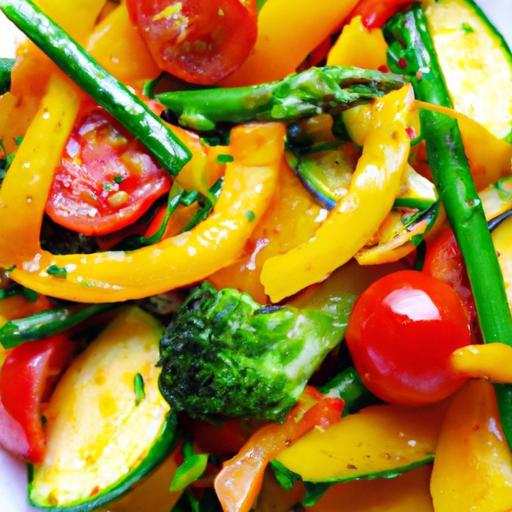

In the ever-evolving world of food trends, it’s easy to assume that new vegetables landing on our plates are met with excitement and open arms. But what happens when the very veggies designed to boost health and sustainability become the source of family dinners fraught with hesitation and resistance? This article dives into the curious case of why my family refuses to eat these new veggies, exploring the blend of taste, tradition, and perception that shapes our relationship with the green innovations on our grocery shelves. Join me as we uncover the surprising reasons behind this culinary standstill-and what it reveals about the complex ties between food and family.
Why My Family Refuses to Eat These New Veggies: Unlocking the Secret to Delicious Acceptance
Why my family refuses to eat these new veggies is a question many passionate home cooks and culinary content creators encounter when introducing unfamiliar flavors at the dinner table. The truth lies beyond taste alone-texture, tradition, and preparation play crucial roles in how new vegetables are received. By understanding these factors, you can turn veggie skeptics into enthusiastic eaters with simple yet transformative cooking methods that preserve flavor and elevate every bite.
Prep and Cook Time
- Preparation: 10 minutes
- Cooking: 20 minutes
- Total Time: 30 minutes
Yield
- Serves 4 hearty portions
Difficulty Level
- Easy to Medium – Perfect for beginner to intermediate home cooks
Ingredients
- 2 cups chopped kohlrabi (peeled and diced into ½-inch cubes)
- 1 tablespoon olive oil
- 1 small garlic clove, finely minced
- ½ teaspoon smoked paprika
- ¼ teaspoon sea salt, or to taste
- ¼ teaspoon freshly ground black pepper
- 1 tablespoon lemon juice
- 2 tablespoons grated Parmesan cheese (optional for a cheesy twist)
- Fresh parsley, finely chopped for garnish
Instructions
- Prepare the kohlrabi: Rinse thoroughly, peel off the tough outer layer with a vegetable peeler, then dice into uniform ½-inch cubes for even cooking.
- Heat olive oil: Warm a large skillet over medium heat. Add the olive oil and minced garlic. Sauté until fragrant but not browned, about 1 minute, stirring constantly.
- Add kohlrabi and spices: Toss the diced kohlrabi into the skillet, stirring to coat well with oil and garlic. Sprinkle smoked paprika, salt, and pepper evenly. Continue cooking for 15-18 minutes, stirring occasionally, until tender and lightly caramelized. A golden crust adds delightful texture.
- Finish with acidity and cheese: Remove the skillet from heat. Stir in the lemon juice for brightness. Optionally, sprinkle with Parmesan cheese; its savory richness balances the subtle bitterness of the vegetable.
- Plate and garnish: Transfer the kohlrabi to a serving dish. Garnish with freshly chopped parsley for a vibrant color contrast and fresh herbal note.
Chef’s Notes: Tips for Success
- Texture is key: Kohlrabi’s crisp yet tender bite is what often wins over reluctant palates. Avoid overcooking to retain that satisfying crunch.
- Substitutions: If kohlrabi is unavailable, try this method with Romanesco cauliflower or chayote squash for similar textures mellowed by roasting.
- Flavor balancing: Smoky paprika combined with bright lemon juice and optional Parmesan caters to multiple taste profiles-smoky, tangy, and umami.
- Make ahead: This dish can be gently reheated on low heat with a splash of water or broth to refresh the texture before serving.
Serving Suggestions
This vibrant vegetable side pairs beautifully with roasted chicken, grilled fish, or a plant-based protein like baked tempeh. Serve alongside creamy mashed potatoes or a warm grain bowl of quinoa and roasted sweet potatoes for a satisfying, balanced meal. Garnish generously with fresh parsley or microgreens and add a wedge of lemon to brighten flavors at the table. For an extra-special touch, drizzle with a homemade herb vinaigrette to tie all elements together.

| Nutrient | Amount per Serving |
|---|---|
| Calories | 95 kcal |
| Protein | 3 g |
| Carbohydrates | 12 g |
| Fat | 5 g |
Understanding why my family refuses to eat these new veggies involves patience and creativity. With the right seasoning and cooking methods, you’ll find that unfamiliar vegetables can transform into approachable and delicious dishes that delight even the pickiest eaters.
Discover more on creative vegetable prep in our comprehensive guide on vegetable preparation, and for an in-depth explanation of how flavors are perceived, read expert insights at Expert Science of Food.
Q&A
Q&A: Why My Family Refuses to Eat These New Veggies
Q1: What kind of new vegetables are we talking about?
A1: These are bold, unfamiliar veggies-think purple kohlrabi, bitter melon, or bright orange cauliflower. They’re fresh, trendy, and promising a nutritional punch, but unfamiliar to many dinner tables.
Q2: Why does my family shy away from trying them?
A2: Change is tough. New flavors, strange textures, and vibrant colors can intimidate picky eaters, especially if they clash with longstanding food habits or expectations. Sometimes, it’s a sensory “no” before even a taste test.
Q3: Could it be more than just taste?
A3: Absolutely. Food is deeply emotional and cultural. These new veggies might not carry the comforting nostalgia of grandma’s recipes or family traditions. The unfamiliar can feel like a break from identity-sometimes unwelcome.
Q4: Are there ways to make new veggies more appealing?
A4: Definitely! Pair them with beloved flavors or familiar textures. For example, roast that purple kohlrabi with olive oil and garlic-classic seasoning can create a bridge between the old and new. Involve family members in cooking or picking veggies to spark curiosity and ownership.
Q5: Can persistence help change their minds?
A5: Yes, but patience is key. Studies suggest it can take 10-15 exposures to a new food before acceptance. Keep offering in small, non-pressure ways, and celebrate every tiny victory-maybe a brave bite or a curious question.
Q6: What’s the upside of pushing through?
A6: Introducing new veggies broadens the family’s palate, boosts nutrition, and can spark new food adventures. It’s a win for health and for expanding the culinary story that your family writes together-one colorful plate at a time.
Concluding Remarks
As the dinner plates clear and the conversation drifts away from the dinner table, it’s clear that these new veggies have stirred more than just curiosity-they’ve unearthed a deeper dialogue about tradition, taste, and togetherness. While my family’s refusal might seem like a simple act of palate preference, it reflects a complex blend of culture, memory, and personal comfort. Introducing new foods isn’t just about nutrition or novelty; it’s about honoring the stories and values that shape our eating habits. So next time you toss a mysterious green onto your plate, remember: sometimes, resistance is not just about what’s on the fork, but what lies in the heart of the family.