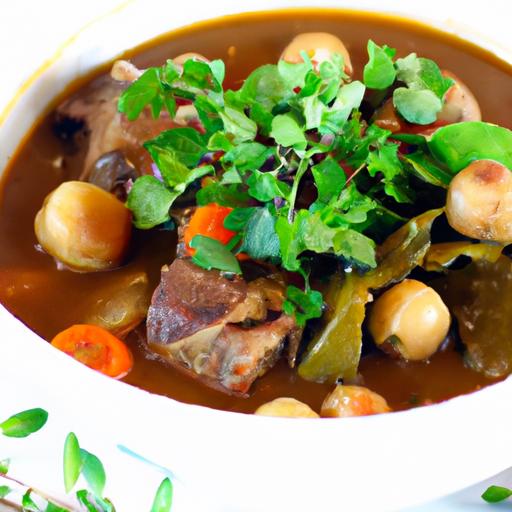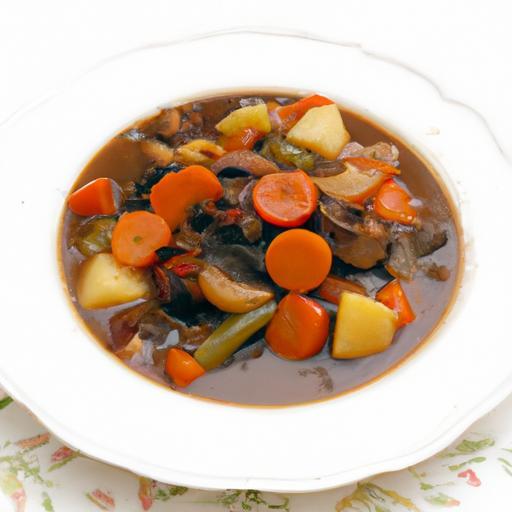

There’s something undeniably magical about a bowl of stew that’s been left to sit overnight. While a freshly simmered pot can warm the soul, it’s often the next-day leftovers that truly captivate our taste buds with a richer, deeper flavor. But what exactly happens in the hours after cooking that transforms humble ingredients into a symphony of savory perfection? Join us as we unravel the science and artistry behind why stew tastes better the day after cooking, turning simple comfort food into an extraordinary culinary experience.
Why stew tastes better the day after cooking explained unlocks a delicious culinary mystery close to every home cook’s heart. When you reheat a stew, the flavors don’t just warm up-they deepen, mingle, and evolve into something even more spectacular. This overnight magic is a harmonious dance of chemistry and patience, turning simple ingredients into a rich tapestry of taste and texture.
Prep and Cook Time
Preparation: 20 minutes | Cooking: 2 hours | Resting: Overnight (8-12 hours)
Yield
Serves 6 hearty portions
Difficulty Level
Medium
Ingredients
- 2 lbs beef chuck, cut into 1.5-inch cubes
- 3 tbsp olive oil
- 1 large onion, diced
- 3 cloves garlic, minced
- 4 cups beef broth, low sodium
- 2 cups red wine (optional, enhances depth)
- 4 medium carrots, sliced
- 3 medium potatoes, cubed
- 2 stalks celery, chopped
- 1 tbsp tomato paste
- 1 tsp dried thyme
- 2 bay leaves
- Salt and freshly ground black pepper, to taste
- 1 tbsp all-purpose flour (optional, for thickening)
- Fresh parsley, chopped (for garnish)
Instructions
- Heat the olive oil in a large, heavy-bottomed pot over medium-high heat. Add the beef cubes in batches, browning each side until caramelized (about 3-4 minutes per batch). This Maillard reaction is key for developing rich, savory notes.
- Remove browned beef and set aside. In the same pot, sauté the diced onion until translucent, then add minced garlic and cook until fragrant, about 1 minute.
- Stir in tomato paste and cook for 2 minutes to deepen its flavor. Return the beef to the pot.
- Deglaze the pot with the red wine (if using), scraping up browned bits for maximum umami. Let the wine reduce by half, about 5 minutes.
- Add the beef broth, thyme, bay leaves, carrots, celery, and potatoes. Season with salt and pepper.
- Bring to a gentle simmer, cover, and cook on low heat for 2 hours until beef is tender.
- Remove from heat, and let the stew cool to room temperature before storing it in an airtight container overnight in the refrigerator. This resting time allows collagen to gelatinize and flavors to meld beautifully.
- The next day, skim off any hardened fat on top. Reheat gently on medium-low heat. For extra lusciousness, whisk in 1 tbsp flour mixed with cold water to thicken if desired.
Chef’s Notes
- Resting stew overnight lets the starches and proteins interact and settle, enriching mouthfeel and depth. The Focus Keyword sums this concept perfectly-“Why stew tastes better the day after cooking explained.”
- If you prefer a vegetarian version, substitute beef with mushrooms and vegetable broth. Add umami boosters like soy sauce or miso for complexity.
- Make sure to cool the stew completely before refrigeration to avoid bacterial growth and maintain freshness.
- When reheating, avoid boiling vigorously to preserve tender textures and avoid breaking down ingredients too much.
- Add fresh herbs and a squeeze of lemon juice when serving to brighten the mellowed flavors.
Serving Suggestions
Serve your stew in deep bowls, garnished with fresh parsley and a sprinkle of cracked black pepper. Pair it with crusty artisan bread or buttered egg noodles to soak up the luscious broth. A side of creamy mashed potatoes also pairs beautifully, highlighting the stew’s velvety texture and rich flavor.
| Nutrient | Per Serving |
|---|---|
| Calories | 420 kcal |
| Protein | 38 g |
| Carbohydrates | 25 g |
| Fat | 18 g |

For those interested in scientific details, this in-depth overview on flavor chemistry offers fascinating insights into the intricate processes that unfold during resting and reheating. Don’t miss our article on How to Make the Best Beef Stew for more tips and recipes that bring out the best in your comfort foods.
Q&A
Q&A: Why Does Stew Taste Better the Day After Cooking?
Q: Why do many people say stew tastes better the next day?
A: When stew sits overnight, the flavors get a chance to mingle and marry. The longer resting time allows the spices, herbs, and ingredients to fully blend, creating a deeper, more harmonious taste.
Q: What’s really happening inside the stew while it rests?
A: Think of stew as a flavor party. As it cools, the molecules from meat, vegetables, and seasonings diffuse and fuse together. This slow integration softens sharp edges and rounds out flavors, turning a good stew into a great one.
Q: Does the texture of the stew change as well?
A: Absolutely! Proteins and vegetables absorb the flavorful broth, making every bite tender and juicy. Cooler temperatures also firm up the fats, which then melt beautifully upon reheating, delivering a silky mouthfeel.
Q: Is there any science behind the flavor enhancement?
A: Yes! Compounds like amino acids and sugars undergo subtle reactions over time, enhancing umami-the savory “fifth taste.” This slow chemical dance enriches the flavor profile, adding depth and complexity.
Q: Can letting stew sit too long ruin it?
A: Timing is crucial. While a day or two enhances taste, beyond that, freshness declines, and spoilage risk rises. Proper refrigeration slows bacterial growth, preserving the stew’s deliciousness without turning it sour.
Q: How should you reheat stew to keep the improved taste?
A: Gently and slowly, preferably on the stove over low heat. This careful reheating preserves the delicate flavors and textures, unlike a microwave blast that can sometimes toughen meat or mute seasoning.
Q: Are all stews better the next day?
A: Most hearty, slow-cooked stews benefit from resting. However, lighter soups or dishes with delicate herbs might lose their brightness if left too long. It’s a delicious adventure to experiment and find your personal stew sweet spot!
In short, letting stew rest overnight is like giving your meal a mini-vacation-a chance to rest, refresh, and return bursting with flavor. So next time, resist the urge to dig in immediately; patience truly rewards the palate!
Wrapping Up
As the flavors of a freshly cooked stew mingle and marry overnight, a quiet transformation takes place-turning a humble pot into a culinary masterpiece. The next day, each bite unfolds with deeper complexity, as the ingredients have had time to blend, soften, and amplify their essence. Understanding why stew tastes better the day after cooking not only elevates our appreciation for this timeless dish but also invites us to embrace patience as a secret ingredient in the kitchen. So next time you simmer a stew, remember: sometimes, true flavor needs a little time to simmer in the background before it truly shines.