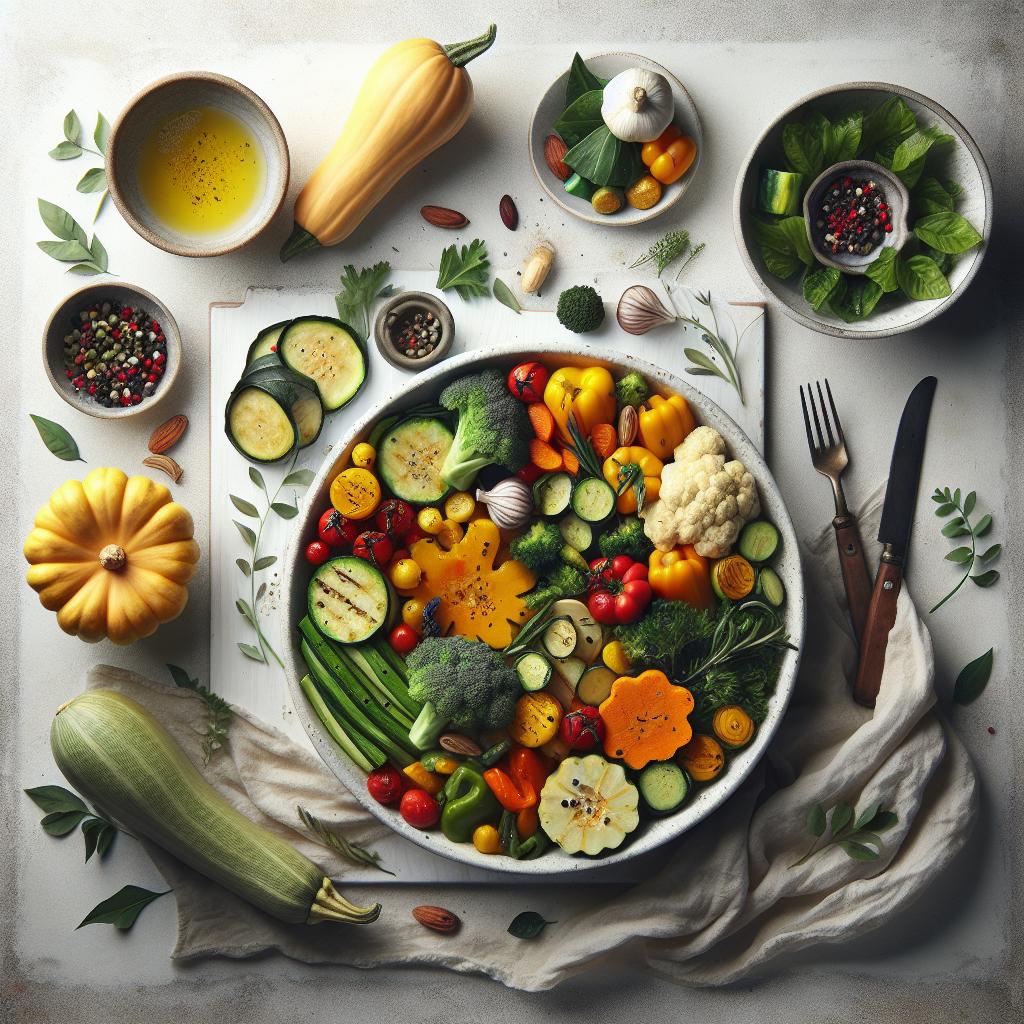

As the crisp chill of winter settles in, nature gifts us a vibrant harvest of winter squash-those golden globes of comfort and nutrition that transform any meal into a celebration of flavors. From the velvety sweetness of butternut to the hearty earthiness of acorn, winter squash offers a canvas for culinary creativity that’s as diverse as the season itself. In this article, we’ll unlock a treasure trove of inventive cooking tips and tricks designed to elevate your winter squash dishes from simple to spectacular. Whether you’re roasting, pureeing, or stuffing, prepare to discover new ways to bring warmth, color, and a touch of magic to your table all winter long.
Winter Squash Wonders bring a delightful canvas for culinary creativity, transforming humble squash into dishes bursting with warmth, texture, and robust flavor. Rooted in autumn harvest traditions, these vibrant gourds inspire cozy kitchens from bustling urban homes to rustic farmhouses. Imagine the golden flesh of a perfectly roasted butternut or the rich, nutty sweetness of kabocha-each variety offers its own subtle charm, making your table a celebration of seasonal bounty.
Prep and Cook Time
Preparation: 15 minutes | Cooking: 40 minutes | Total: 55 minutes
Yield
Serves 4 generous portions
Difficulty Level
Medium – approachable for confident home chefs, with room for flavorful experimentation
Ingredients
- 1 medium butternut squash (about 2-3 lbs), peeled, seeded, and cut into 1-inch cubes
- 2 tablespoons olive oil, plus extra for drizzling
- 1 teaspoon sea salt
- ½ teaspoon freshly ground black pepper
- 1 teaspoon smoked paprika
- 1 small red onion, thinly sliced
- 3 cloves garlic, minced
- ½ cup cooked quinoa
- ½ cup dried cranberries
- ¼ cup toasted pecans, chopped
- 2 tablespoons fresh parsley, chopped
- ½ cup crumbled feta cheese (optional)
Instructions
- Preheat your oven to 425°F (220°C). Line a baking sheet with parchment paper for easy cleanup and even roasting.
- Toss the cubed butternut squash with 2 tablespoons of olive oil, sea salt, pepper, and smoked paprika until each piece is lightly coated. Spread evenly on the baking sheet in a single layer.
- Roast the squash for about 30 minutes, stirring halfway through to ensure even caramelization. The edges should brown nicely, intensifying the natural sweetness.
- While the squash roasts, sauté the red onion in a skillet over medium heat with a drizzle of olive oil until translucent and slightly golden, about 5 minutes. Add the minced garlic in the last minute to release its aroma without burning.
- Combine the roasted squash, sautéed onion and garlic, cooked quinoa, dried cranberries, toasted pecans, and fresh parsley in a large bowl. Toss gently to blend flavors and textures harmoniously.
- Adjust seasoning to taste with additional salt and pepper if desired. Finish with a drizzle of olive oil for shine and richness.
- Serve warm, sprinkled with crumbled feta cheese for a briny contrast or enjoy as is for a vibrant vegetarian delight.
Tips for Success
- Squash variety matters: Butternut and kabocha provide creaminess and caramelized sweetness, while acorn squash lends a milder, slightly nutty bite ideal for stuffing.
- Uniform chopping ensures even roasting; aim for equally sized cubes to avoid undercooked centers or burnt edges.
- Enhance natural sugars by roasting at a high temperature to achieve golden-brown caramelization-this develops complex, deep flavors crucial to winter squash dishes.
- Make ahead: Roast squash in advance and store in an airtight container for up to 3 days to streamline weeknight meals.
- Substitute grains: Feel free to swap quinoa for farro, wild rice, or couscous depending on your preference and pantry staples.
Serving Suggestions
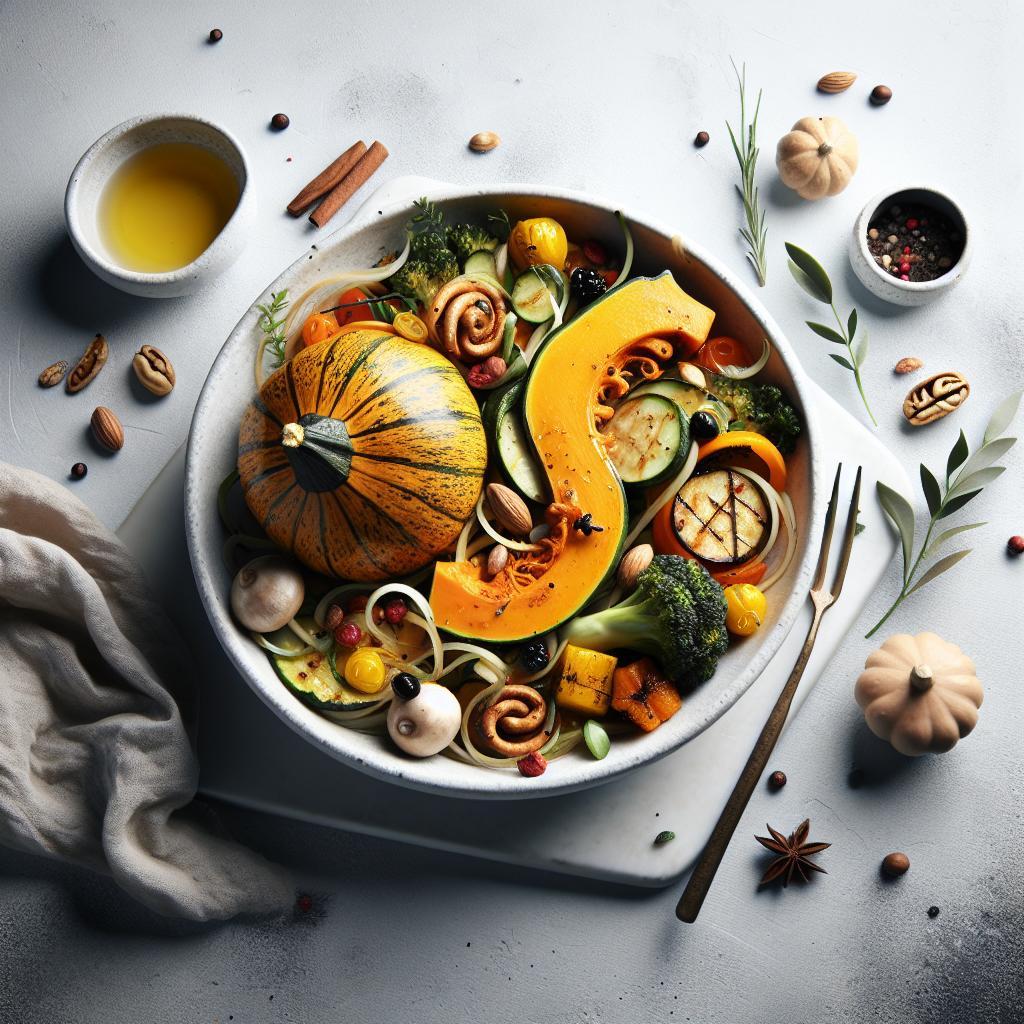
This roasted winter squash salad shines when served in a warm, lightly toasted wooden bowl or rustic ceramic dish. Add a handful of baby arugula or spinach for bright freshness, and drizzle with a tangy balsamic glaze or orange vinaigrette to amplify the sweet-earthy balance. Garnish with extra pecans or a few pomegranate seeds for a festive spark of color and crunch.
| Nutrition | Per Serving |
|---|---|
| Calories | 320 kcal |
| Protein | 7 g |
| Carbohydrates | 45 g |
| Fat | 12 g |

For more inspiring recipes featuring winter squash wonders, explore our Autumn Harvest Entrees. To deepen your knowledge about winter squash varieties, Specialty Produce offers an excellent detailed guide.
Q&A
Q: What’s the secret to picking the perfect winter squash at the market?
A: Look for a squash that feels heavy for its size with a hard, blemish-free skin. The stem should be dry and corky-this signals maturity and sweetness. Give it a gentle knock; a hollow sound means it’s ripe and ready to shine in your kitchen!
Q: How can I make peeling and cutting winter squash less intimidating?
A: Pro tip: microwave the whole squash for 2-3 minutes to soften the skin before peeling. Use a sharp, sturdy knife and cut from the top down, working carefully around the tough edges. Alternatively, roast whole and scoop out the flesh-no peeling needed!
Q: What’s a creative way to use winter squash besides roasting?
A: Think outside the roast! Purée it into luscious soups, stir it into risottos for a velvety finish, or spiralize it into noodles for a cozy, nutrient-packed meal. Winter squash also makes a dreamy base for curries and baked goods like muffins and pancakes.
Q: How do I enhance the natural sweetness of winter squash in my recipes?
A: Add a pinch of warming spices-cinnamon, nutmeg, ginger, or smoked paprika-to accentuate its inherent honeyed notes. A drizzle of maple syrup or a sprinkle of toasted nuts will add layers of flavor and delightful texture.
Q: Can I store winter squash after cutting, and how long will it keep?
A: Absolutely! Wrap cut pieces tightly in plastic or store in an airtight container in the fridge. They stay fresh for about 3-5 days. For longer preservation, cube and freeze cooked squash-it’s perfect for quick future meals.
Q: What are some lesser-known varieties of winter squash worth exploring?
A: Go beyond butternut-try kabocha for its rich, chestnut-like flavor, delicata for its sweet, creamy flesh with edible skin, or carnival squash with its colorful stripes and mild taste. Each offers its own unique personality to elevate your winter dishes.
Q: Any tips for making winter squash dishes kid-friendly?
A: Turn it into fun shapes! Use cookie cutters on thin slices for mini squash “crackers,” or blend it into brightly colored smoothies and dips. Kids often love the naturally sweet taste, especially when paired with creamy cheeses or mild spices.
Q: How can I balance the flavors when cooking with winter squash?
A: Play with contrast-rich squash pairs beautifully with bright, acidic ingredients like lemon juice or vinegar, fresh herbs, and sharp cheeses. A touch of heat with chili flakes or ground black pepper adds an exciting kick. The magic is in the harmony!
Q: What’s a quick and simple winter squash snack?
A: Slice delicata or acorn squash thin, toss with olive oil and sea salt, and bake until crisp. These make delicious, crunchy chips that satisfy savory cravings with a hint of natural sweetness.
Q: What’s the best way to bring out the creamy texture of winter squash in recipes?
A: Slow roasting allows natural sugars to caramelize and soften the flesh perfectly. Mash or blend roasted squash with a splash of cream, coconut milk, or nut butter for smooth, decadent dishes that comfort and delight.
Wrapping Up
As the chill of winter sets in, the vibrant, versatile world of winter squash invites you to explore its rich flavors and hearty textures. From the first slice to the final bite, these golden gems transform simple meals into comforting feasts. Whether roasted to caramelized perfection, blended into velvety soups, or hollowed out to cradle savory fillings, winter squash proves itself a culinary canvas ripe with possibility. Embrace these creative cooking tips and tricks, and let each dish warm your kitchen and your soul, turning every meal into a celebration of seasonal magic. The winter squash wonderland awaits-one slice at a time.