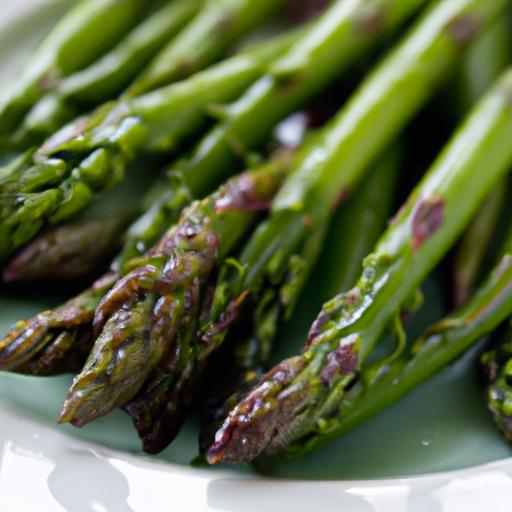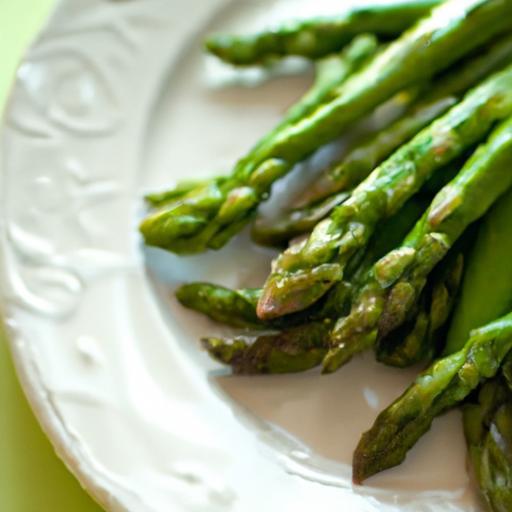

There’s something truly magical about asparagus – those tender green spears bursting with spring’s fresh flavor, vibrant color, and a satisfying snap with every bite. But asparagus is famously fleeting, its peak freshness lasting only a few days after harvest or purchase. What if you could capture that garden-fresh crispness and vibrant taste all year round? Enter the art of freezing fresh asparagus. With the right techniques, you can pause time on this seasonal delight, locking in its nutrients, texture, and flavor for months to come. In this article, we’ll explore essential tips and tricks to freeze fresh asparagus perfectly, ensuring your veggies stay crisp, tasty, and ready to elevate any meal long after spring has passed. Whether you’re a busy home cook or a vegetable enthusiast, get ready to transform your asparagus experience from perishable to perennial.
Freeze Fresh Asparagus: Tips for Crisp, Long-Lasting Veggies
Freeze fresh asparagus is a game changer when it comes to enjoying this elegant spring vegetable beyond its short season. Whether you’re a seasoned gardener who harvests a bounty or a foodie eager to preserve the peak flavor of market-fresh spears, mastering the art of freezing asparagus unlocks year-round crispness and vibrancy. Decades ago, I struggled to keep asparagus tasting tender and bright after freezing-until I discovered the perfect process that locks in nutrition, texture, and taste. Let’s dive into how you can replicate this at home with ease and flair.
Prep and Cook Time
- Preparation: 15 minutes
- Blanching & Cooling: 5 minutes
- Freezing: Minimum 4 hours (ideally overnight)
Yield
Approximately 4 servings (from 1 pound fresh asparagus)
Difficulty Level
Easy to Medium – no special equipment needed beyond a freezer and pot
Ingredients
- 1 pound fresh asparagus, firm stalks with tight tips
- Water for blanching
- Ice cubes for ice bath
- Optional: Lemon juice or vinegar splash (to preserve color)
Instructions
- Choose the perfect asparagus: Select stalks that snap easily-avoid woody or limp spears. Thinner stalks freeze better and reheat with extra tenderness.
- Trim and prepare: Rinse under cold water and snap off the tough bottom ends where they naturally break.
- Blanch for crispness: Bring a large pot of water to a rolling boil. Optionally, add a splash of lemon juice to keep vibrant green hues. Submerge asparagus for 2-3 minutes depending on thickness-thin spears require less time.
- Shock in ice bath: Immediately plunge the blanched asparagus into a large bowl of ice water. This stops cooking and preserves the bright texture. Leave for an equal amount of time as blanching.
- Drain and dry: Lay the spears on a clean kitchen towel or paper towels and pat dry thoroughly to avoid ice crystals forming during freezing.
- Flash freeze: Arrange asparagus in a single layer on a parchment-lined baking sheet. Freeze uncovered for 1-2 hours until firm.
- Package for long-term storage: Transfer frozen spears to airtight freezer bags or containers, pressing out excess air to prevent freezer burn.
- Label and freeze: Add date labels and keep for up to 12 months for best quality.
Tips for Success
- Don’t skip blanching. This crucial step deactivates enzymes that otherwise degrade flavor and texture during freezing.
- Use clean, dry packaging. Moisture invites ice crystals, which can diminish asparagus’ crispness.
- Reheat gently: Avoid boiling frozen asparagus; instead, steam or sauté it quickly to preserve snap and color.
- Incorporate lemon juice or vinegar in the blanch water to enhance the asparagus’ vibrant green, especially if freezing in large batches.
- Try freezing cut pieces for grilling skewers or quick stir-fries later-perfect for minimizing prep time.
Serving Suggestions
Frozen asparagus melts into leafy pastas, vibrant salads, and creamy risottos with perked-up texture. Toss thawed spears with olive oil, garlic, and toasted almonds for a quick side or blitz them into a bright green soup. Garnish with grated Parmesan, fresh herbs like tarragon or dill, and a wedge of lemon to highlight its fresh springtime flavor, even months after freezing.

| Nutrient | Per 100g (Frozen) |
|---|---|
| Calories | 20 |
| Protein | 2.2g |
| Carbohydrates | 3.9g |
| Fat | 0.1g |
| Fiber | 2.1g |
For more detailed vegetable freezing techniques, be sure to check our ultimate guide on freezing vegetables perfectly. And for science-backed vegetable blanching info, explore this USDA resource on blanching and freezing.
Q&A
Q: Why should I freeze fresh asparagus instead of just refrigerating it?
A: Freezing asparagus locks in its peak freshness and nutrients, extending its life from days to months. While refrigeration slows spoilage, freezing halts it completely, making your crisp, green spears ready whenever you need a vibrant veggie boost.
Q: How do I prepare asparagus before freezing to keep it crisp?
A: Blanching is your best friend! Simply trim the woody ends, rinse the spears, then briefly boil them (about 2-4 minutes depending on thickness) before shocking them in ice water. This process stops enzyme activity, preserving the asparagus’ texture, color, and flavor through the freeze.
Q: Can I freeze asparagus raw without blanching?
A: While it’s possible, skipping blanching often results in limp, dull asparagus once thawed. Blanching primes the veggies to freeze like a pro-keeping them crisp and vibrant, making those thawed bites more enjoyable and versatile in meals.
Q: What’s the best method to freeze asparagus to avoid freezer burn?
A: After blanching and cooling, pat the asparagus dry and lay the spears in a single layer on a baking sheet to flash freeze. Once solid, transfer them into airtight freezer bags or containers. Removing as much air as possible ensures flavorful, freezer-burn-free asparagus for months.
Q: How long can I keep frozen asparagus and still expect excellent quality?
A: For the crispiest taste and texture, aim to use frozen asparagus within 8-12 months. Beyond that, it remains safe to eat but may lose some of its snap and vibrancy. Label your bags with dates to keep track and enjoy the best harvest all year round!
Q: What’s the best way to cook asparagus after freezing?
A: No need to thaw first! Simply toss frozen asparagus directly into sautés, stir-fries, or roast them straight from the freezer. This quick transition maintains that desirable crunch while locking in fresh flavor-a perfect time-saving pantry staple.
Q: Any tips for selecting asparagus ideal for freezing?
A: Choose firm, straight stalks with tight tips and vibrant green color. Avoid woody ends or yellowing spots which signal age and poor quality. Fresher asparagus means tastier, crisper results come thaw time.
Q: Can I freeze asparagus spears whole or should I cut them?
A: Either works, but cutting into 1-2 inch pieces before blanching makes for quicker cooking and easier portioning later. Whole spears maintain impressive presentation, perfect if you plan elegant dishes. Customize based on your future meal plans!
Wrapping Up
Freezing fresh asparagus doesn’t just extend its shelf life-it preserves the vibrant crunch and garden-fresh flavor you crave all year round. With a few simple tips, from blanching to airtight storage, you can ensure every spear stays as crisp and delicious as the day you picked it. So next time you find yourself with a bundle of asparagus, think beyond the fridge-embrace the freezer. Your future self will thank you with every tender, tasty bite. Happy freezing!