
Asparagus offers a bright snap and concentrated flavor that many cooks want year-round. Freezing preserves that texture and nutrition when you follow a clear, tested method.
- Why freeze asparagus?
- Choose the right spears
- Essential equipment and prep
- Step-by-step freezing method
- Packaging and storage best practices
- Reheating and cooking from frozen
- Common mistakes to avoid
- Useful variations and portioning ideas
- Nutrition snapshot
- FAQ
- How long should I blanch asparagus before freezing?
- Can I freeze asparagus raw without blanching?
- What’s the best way to prevent freezer burn?
- How long does asparagus keep frozen at top quality?
- Can I cook asparagus directly from the freezer?
- Final notes
- Blanch first: brief boiling then an ice bath preserves color and texture.
- Flash-freeze: single-layer freezing prevents clumping and ice crystals.
- Pack airtight: remove air and label for best quality up to 12 months.
Why freeze asparagus?
Asparagus has a short fresh window once harvested, and freezing extends its usable life while keeping much of the nutritional value. The vegetable ranks high in micronutrients, and correctly frozen spears retain fiber, vitamins, and savory character.
Freezing works when you stop enzyme activity and lock the vegetable in a cold, stable state. Refer to guidance on preservation methods and freezing science for background, such as food preservation and the physical process of freezing to understand why blanching and rapid chilling matter.
Choose the right spears
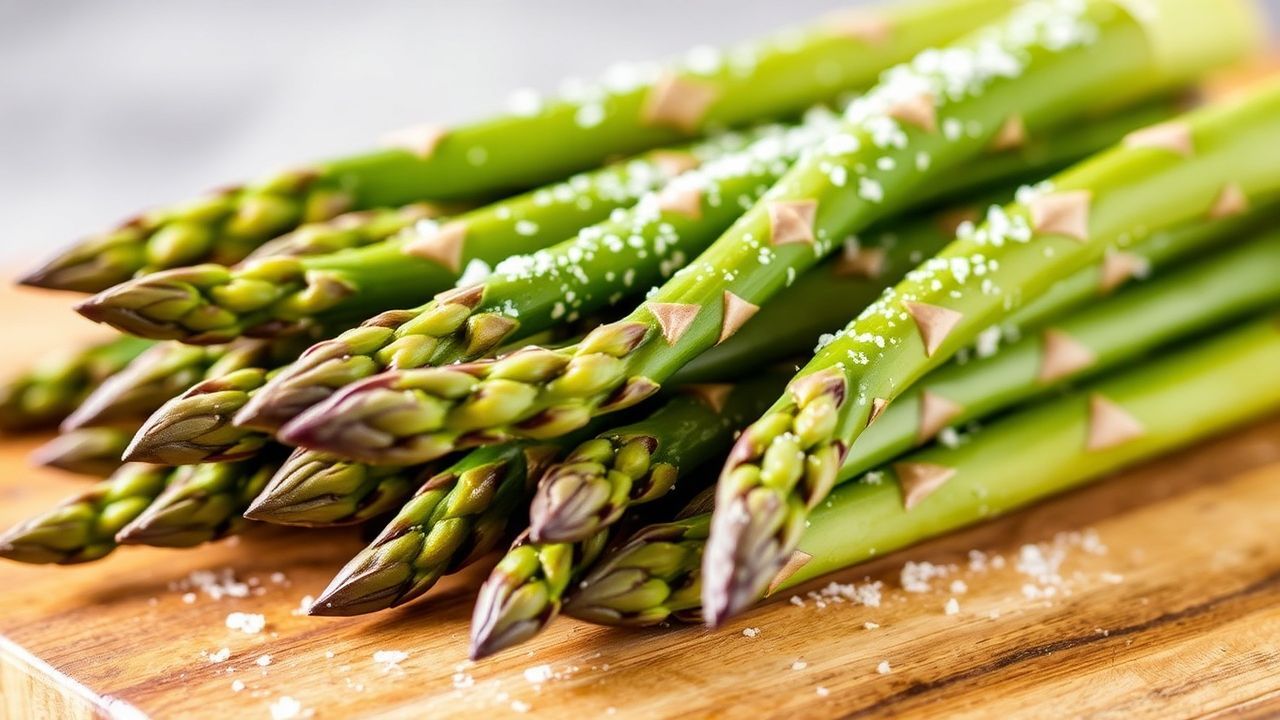
Select firm stalks with tight tips and consistent color. Thin to medium stalks freeze and reheat with better texture than very thick, woody ones.
Trim at the natural breaking point to remove the woody base. If you harvest at home, test a few spears by snapping; healthy spears break cleanly and crisply, which predicts good frozen results.
Essential equipment and prep
Gather a large pot, a slotted spoon, a big bowl for an ice water bath, baking sheets, parchment, and airtight freezer bags or rigid containers. Clean, dry packaging reduces ice crystal formation and preserves texture.
Measure blanching time by thickness. Thin spears need less heat; thick spears need slightly longer. Use a thermometer if you like, but timing by spear size and trial yields reliable outcomes.
Blanching times by thickness
Blanching deactivates enzymes that would otherwise degrade texture, color, and flavor during frozen storage. For thin spears, 2 minutes; medium, 3 minutes; very thick, 4 minutes is a useful starting guideline.
After blanching, immediately transfer spears to an ice bath for the same duration as the blanch. This rapid cool-down stops residual cooking and preserves the bright green color.
Step-by-step freezing method
Start by rinsing and trimming asparagus. Snap off the woody ends; then sort spears by similar thickness so blanching is even across the batch.
Bring water to a rolling boil. Add the asparagus and time the blanching precisely. Use an ice bath prepared in a large bowl and move spears there right away to halt cooking.
Pat the spears dry. Excess surface water forms ice crystals that damage cell texture. Lay spears on clean towels and press gently to remove moisture.
Arrange spears on a parchment-lined baking sheet in a single layer and place uncovered in the freezer. Flash-freezing for 1–2 hours prevents the spears from freezing into clumps.
Once firm, transfer spears to airtight freezer bags or rigid containers. Remove as much air as possible. Label each package with date and approximate weight to track rotation.
Packaging and storage best practices
Use heavy-duty freezer bags or vacuum-seal bags when possible. Squeeze out excess air, or use a vacuum sealer to minimize oxidization and freezer burn.
Store at a constant 0°F (-18°C) or lower. For peak quality, use frozen asparagus within 8–12 months. The product remains safe beyond that window but may lose textural snap and color over time.
[?] Note: If you maintain a consistent freezer temperature and avoid repeated thaw-refreeze cycles, asparagus keeps its best qualities longer.
Reheating and cooking from frozen
Cook asparagus from frozen for best texture. Toss directly into sautés, stir-fries, or hot pans. Frozen spears cook quickly and retain a desirable bite when handled with care.
Avoid long boiling after freezing; instead, steam briefly or sauté over medium-high heat to evaporate excess moisture while preserving color. Roast briefly at high heat if you want a caramelized edge.
Common mistakes to avoid
Skipping blanching leads to limp, dull asparagus after thawing. Blanching is the critical step that preserves both texture and color by stopping enzymatic breakdown.
Another error is packing wet spears. Moisture inside packaging causes ice crystals that rupture cell walls and create a mushy mouthfeel. Dry thoroughly before sealing.
Useful variations and portioning ideas
Cut spears into 1–2 inch pieces for stir-fries, skewers, or quick stews. This approach speeds reheating and lets you portion meals without thawing a whole bundle.
Freeze whole spears for elegant sides. For mixed vegetable packs, blanch each vegetable to its appropriate time and cool them together before combining in a single container to avoid textural mismatch.
For bulk batch freezing, consider flash-freezing on multiple trays to keep single-layer requirements manageable. Rotate trays into the freezer as space allows.
Nutrition snapshot
| Nutrient | Per 100g (Frozen) |
|---|---|
| Calories | 20 |
| Protein | 2.2g |
| Carbohydrates | 3.9g |
| Fat | 0.1g |
| Fiber | 2.1g |
Frozen asparagus retains most macronutrients and fiber. Water-soluble vitamins can decline slightly, but quick blanching and rapid freezing preserve a high proportion of micronutrients compared with long refrigerated storage.
For a technical primer on cooking techniques related to vegetables and enzyme activity, review the blanching (cooking) page. For botanical context about the plant itself, see Asparagus.
Find more step-by-step vegetable freezing methods in our internal resources: ultimate guide on freezing vegetables perfectly and long-term freezer storage tips. These pages outline batch planning, blanching tables, and freezer organization strategies to streamline your workflow.
FAQ
How long should I blanch asparagus before freezing?
Blanching time depends on thickness. Use roughly 2 minutes for thin spears, 3 minutes for medium, and up to 4 minutes for very thick stalks. Match the ice bath time to the blanch to halt cooking instantly.
Can I freeze asparagus raw without blanching?
Technically yes, but results suffer. Skipping blanching often yields limp texture and muted color after thaw. Blanch first to preserve the snap and vibrant green hue.
What’s the best way to prevent freezer burn?
Remove air from packaging and use heavy-duty freezer bags or rigid containers. Vacuum sealing offers the best protection. Keep a steady freezer temperature and avoid thawing and refreezing.
How long does asparagus keep frozen at top quality?
For peak taste and texture, use frozen asparagus within 8–12 months. It remains safe beyond that, but expect gradual loss of snap and color over time.
Can I cook asparagus directly from the freezer?
Yes. Toss frozen spears directly into hot pans for sautés or into boiling liquids for soups. Cooking from frozen limits waterlogging and preserves a better bite than thawing fully first.
Final notes
Freezing asparagus is a straightforward preservation method when you follow precise blanching, cooling, and packaging steps. These habits protect texture, color, and taste so you enjoy near-fresh spears long after harvest.
Adopt a simple routine: sort by thickness, blanch accurately, ice shock, dry, flash-freeze, then store airtight. With that sequence, your freezer will hold a reliable supply of crisp, flavorful asparagus for many meals to come.
See also: freeze asparagus