
Imagine sinking your spoon into a creamy, luscious risotto, only to be met with an unexpected chewiness that clashes with the velvety dream you envisioned-or worse, uncovering hard, stubborn grains that refuse to soften. If your risotto has ever turned out gummy or crunchy, you’re not alone. This beloved Italian comfort dish demands a delicate balance of technique and timing, and even small missteps can turn a silky masterpiece into a frustrating culinary puzzle. In this article, we’ll unravel the secrets behind risotto’s delicate texture, pinpoint common slip-ups, and share simple yet effective fixes to help you master the art of perfect risotto every time. Say goodbye to textural disappointments and hello to that irresistible creamy bite you crave!
Why Is My Risotto Gummy or Crunchy? Unlocking the secrets behind risotto’s delicate texture is a game-changer for every home cook and culinary enthusiast. This Italian classic, celebrated for its creamy consistency and tender grains, can become a sticky puzzle when the balance of starch and cooking technique falters. Understanding how to master each step transforms risotto from a textural challenge into a luscious masterpiece. Let’s dive deep into the science that governs risotto’s texture challenges, helping you avoid common pitfalls and rescue imperfect results with confidence.
Prep and Cook Time
- Preparation: 10 minutes
- Cooking: 25-30 minutes
- Total Time: 35-40 minutes
Yield
- Serves: 4 generous portions
Difficulty Level
- Medium – Requires attentive stirring and timing
Ingredients
- 1 ½ cups Arborio rice, rinsed but not soaked
- 5 cups low-sodium chicken or vegetable broth, kept warm
- 3 tablespoons unsalted butter, divided
- 2 tablespoons olive oil
- 1 small yellow onion, finely diced
- 2 cloves garlic, minced
- ½ cup dry white wine (optional, but enhances flavor)
- ¾ cup freshly grated Parmesan cheese
- Salt and freshly ground black pepper, to taste
- Fresh parsley or thyme, for garnish
Instructions
- Warm your broth in a saucepan over low heat. Keeping it hot ensures even absorption, essential for creamy risotto texture. Do not boil.
- In a heavy-bottomed pan, heat olive oil and 1 tablespoon butter over medium heat. Add the diced onion and sauté until translucent and soft, about 5 minutes. Stir occasionally to avoid browning.
- Add the minced garlic and cook for 1 minute until fragrant.
- Stir in the Arborio rice and cook for 2-3 minutes, coating each grain with fat. The rice should appear translucent around the edges but still opaque inside-this is key to avoiding crunchiness.
- Pour in the white wine and simmer while stirring occasionally until the liquid is almost fully absorbed.
- Add warm broth, one ladle at a time, stirring gently but constantly. Wait until each ladle is mostly absorbed before adding the next. This slow absorption encourages the rice to release starch gradually and creates that signature creamy texture.
- Continue this process for approximately 18-20 minutes. Taste the rice around 15 minutes for doneness-the grains should be tender but with a slight al dente bite, never crunchy or mushy.
- Once the rice is perfectly cooked, remove from heat. Stir in the remaining 2 tablespoons of butter and the Parmesan cheese for richness and silkiness. Season with salt and pepper to taste.
- Allow the risotto to rest for 1-2 minutes, covered. This brief pause lets the texture bloom beautifully.
- Serve immediately, garnished with fresh herbs to brighten the dish visually and flavor-wise.
Tips for Success
- Use the right rice: Arborio, Carnaroli, or Vialone Nano are your best bets. Avoid long-grain varieties which don’t release starch the same way.
- Temperature matters: Always add warm broth to maintain cooking consistency. Cold liquid interruptions can cause uneven cooking and crunchiness.
- Patience pays: Resist the urge to rush by adding too much broth at once. Slow and steady stirring encourages the perfect creamy texture without gumminess.
- Rescuing gummy risotto: Spread the sticky risotto in a thin layer on a warm baking sheet and let it dry slightly. Then, gently reheat in a pan with a splash of broth and a small knob of butter, stirring frequently.
- Fixing crunchiness: Add a bit more hot broth, cover the pan tightly, and let it steam off heat for a few minutes to soften the grains.
- Make it ahead: Prepare the risotto until it’s just shy of fully cooked, then cool quickly and refrigerate. Reheat gently with broth or stock, stirring until smooth.
Serving Suggestions
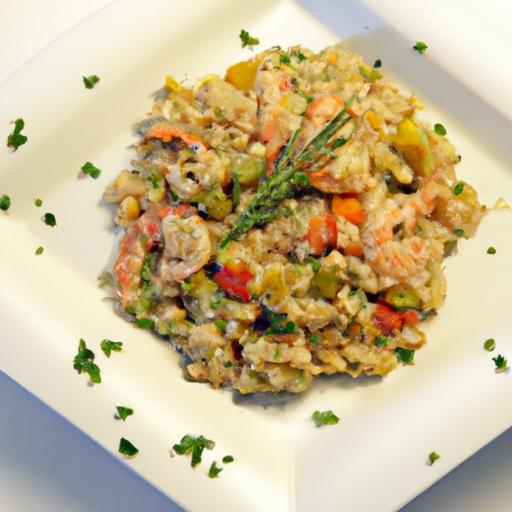
Present your risotto in shallow bowls to showcase its creamy body and ruby gloss. Top with fresh herbs like parsley or thyme for a fresh herbal punch. For a luxurious touch, drizzle with high-quality extra virgin olive oil or a few shavings of aged Parmesan. Pair with crisp white wine and a simple green salad for a balanced meal experience.
| Nutrient | Per Serving |
|---|---|
| Calories | 370 kcal |
| Protein | 10 g |
| Carbs | 55 g |
| Fat | 9 g |
Explore advanced risotto methods to deepen your knowledge. For a taste of Italian tradition, check our Classic Italian Pasta Recipes to complete your meal pairing perfectly.

Q&A
Q&A: Why Is My Risotto Gummy or Crunchy? Fix Texture Flaws!
Q1: Why does my risotto end up gummy instead of creamy?
A1: Gummy risotto usually means it’s overcooked or stirred too vigorously. When the rice breaks down too much, it releases excessive starch, creating a gluey texture. Also, using the wrong type of rice or too much liquid can contribute to that gummy feel. To fix this, opt for Arborio or Carnaroli rice, add broth gradually, and stir gently to coax out the creaminess without turning it into glue.
Q2: What causes my risotto to be crunchy or undercooked?
A2: Crunchy risotto often points to undercooking or uneven heat distribution. If the rice hasn’t absorbed enough liquid or hasn’t been simmered long enough, it stays hard at the core. Make sure to cook it slowly, adding broth in small increments, and allow each addition to absorb fully before the next pour. Patience is the secret to tender grains.
Q3: Can the type of rice affect the texture of my risotto?
A3: Absolutely! Risotto demands starchy, short-grain rice like Arborio, Carnaroli, or Vialone Nano. These varieties release the right amount of starch for that luscious creaminess. Using long-grain or low-starch rice varieties disrupts the texture balance, leading to either gummy or crunchy results.
Q4: Does the temperature of the stock impact risotto texture?
A4: Yes! Always use warm or hot stock when making risotto. Cold broth lowers the cooking temperature, which can halt the starch release process and extend cooking time, resulting in unevenly cooked, crunchy bites. Keeping the stock hot helps the rice cook evenly and release starch smoothly.
Q5: How important is stirring when making risotto?
A5: Stirring is a delicate art. Gentle, frequent stirring encourages the rice to release starch gradually, building creaminess. But over-stirring or vigorous stirring can break down the grains too much, turning the risotto gummy. Think of stirring as coaxing the rice to a perfect creamy dance – steady and gentle wins the day.
Q6: Can I fix a batch of risotto that’s already gummy or crunchy?
A6: If gummy, try folding in a little hot broth or some grated cheese to loosen the texture, and serve immediately. For crunchy risotto, add a splash more hot broth and cook gently for a few extra minutes, stirring occasionally until the rice softens. While not perfect, these tweaks can rescue your dish and bring it closer to that dreamy risotto texture.
Q7: What final tips help me avoid texture troubles in the future?
A7: Use the right rice, keep your stock warm, add broth gradually, stir gently but consistently, and be patient – risotto is a slow-cooked love story. Taste frequently and adjust liquid and time as needed. With practice, your risotto will transform from gummy or crunchy mishaps into the silky, tender symphony your taste buds crave.
The Conclusion
In the delicate dance of crafting the perfect risotto, texture is your trusty partner-never gummy, never crunchy, but always creamy and tender. Understanding why your risotto strays from this ideal balance empowers you to take command of your stove and your spoon. Whether it’s the type of rice you choose, the timing of your liquid additions, or the patience that you bring to the simmer, these small details compose the symphony of a flawless risotto. So next time your dish wobbles from silky smooth to stubbornly chewy, remember: each misstep is just a step closer to mastering this culinary classic. Embrace the process, fine-tune your technique, and soon you’ll be serving up risotto that’s nothing short of perfection-one luscious, comforting bite at a time.